
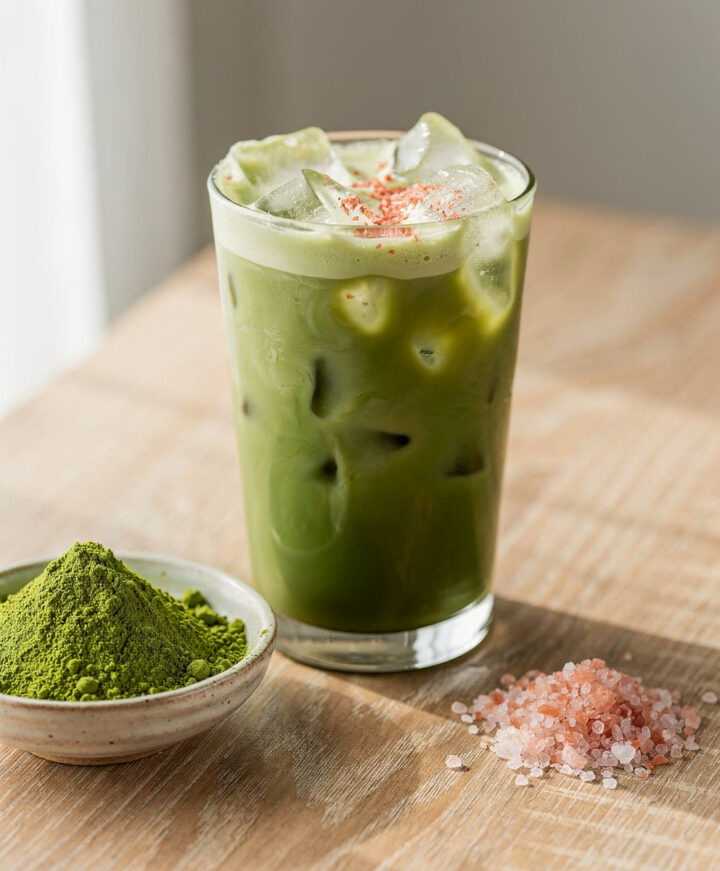
The secret to a perfectly balanced iced matcha isn't a fancy tool, but a humble pinch of pink salt whisked right into the powder. This one step cuts bitterness on contact, letting the tea's sweet, umami notes shine through in every chilled sip.
I still remember the first time I tried making iced matcha back in my Queens kitchen. My matcha always tasted sharp and a little too bitter, like it was trying a bit too hard. Then, during a casual chat with a friend who swore by pink Himalayan salt in her drinks, I decided to test it for myself. A tiny pinch, whisked straight into the matcha powder before adding water, transformed the flavor entirely. The bitterness melted, replaced by a mellow sweetness and an almost creamy smoothness. Since then, I've been obsessed with perfecting iced matcha with a pinch of pink salt, not just for flavor but for hydration and a little mineral boost too.
In this guide, I'll walk you through the science behind why pink salt works so beautifully with matcha, how to choose your ingredients wisely, and exactly how to whisk up iced matcha with a pinch of pink salt that cuts bitterness without adding too much sodium. Plus, I'll share variations to keep things interesting and tips to avoid common mistakes. Whether you're a matcha rookie or a seasoned sipper, this is your deep but friendly dive into making iced matcha with a pinch of pink salt a part of your regular routine.
Jump to:
- The Science Behind Pink Salt & Bitterness in Matcha
- Choosing Quality Ingredients for Your Iced Salted Matcha
- Step-by-Step Guide: How to Make Iced Matcha with the Perfect Pinch of Pink Salt
- Expert Tips & Common Mistakes to Avoid
- Flavorful Variations to Try at Home
- Storage, Shelf Life, and Chemistry of Salt in Prepared Matcha Drinks
- FAQs about Iced Matcha with a Pinch of Pink Salt
The Science Behind Pink Salt & Bitterness in Matcha
One thing I love about cooking, and teaching how to cook, is understanding what's happening under the hood. Why does a little pink salt punched into your iced matcha make such a noticeable difference? Let's get into the science behind pink salt and matcha's tricky bitterness.
How Salt Blocks Bitterness on the Tongue
Bitterness in matcha primarily triggers receptors on our tongues called TAS2R receptors. These taste buds are wired to detect bitter compounds as a safeguard, we're hardwired to be cautious around bitterness since some bitter things are toxic. Matcha, rich in catechins and chlorophyll, can tip those bitter receptors into high alert, especially when made with colder water or over-whisked.
Sodium ions from salt molecules interrupt this process. When you add just the right amount of salt, think tiny micro-seasoning pinches, not full teaspoons, sodium ions bind with these bitterness receptors and partially block their signals. This leaves your tongue more open to the other flavor notes in matcha: its natural sweetness, grassy earthiness, and umami. Salt also enhances sweetness by amplifying the sweet taste receptor's signals, which is why your iced matcha tastes smoother and more balanced after you add pink salt.
This is very different from sugar, which masks bitterness through added sweetness. Salt tweaks your taste buds to accept bitterness more calmly without pushing sugary ingredients your way. No wonder iced matcha with a pinch of pink salt doesn't just taste better; it feels clean and refreshing.
Why Pink Himalayan Salt? Mineral Content & Electrolyte Benefits
Not all salt is created equal, and pink Himalayan salt has unique features that make it a star choice for iced salted matcha. This salt is mined from ancient sea beds in the Himalayas and retains trace minerals like potassium, calcium, magnesium, and iron, elements absent from regular table salt.
These additional minerals help support hydration and electrolyte balance, especially important if you're drinking iced matcha for energy and focus rather than just flavor. These minerals subtly influence taste too, giving iced salted matcha a fuller mouthfeel and a gentle mineral presence that complements matcha's vegetal notes.
Compared to table salt, which is often heavily processed and stripped of minerals, pink Himalayan salt offers a natural, purer profile with less refined sodium chloride. And when using tiny quantities, a 1/16 teaspoon pinch in your matcha powder, those trace minerals become part of a simple but powerful recipe for hydration and flavor balance.
Choosing Quality Ingredients for Your Iced Salted Matcha
Using quality ingredients makes the process joyful, the flavor rewarding, and your time in the kitchen all the sweeter. When making iced matcha with a pinch of pink salt, choosing the right matcha, salt, and water goes a long way.
Matcha Grades: Ceremonial vs. Culinary - Which to Use?
Matcha comes in multiple grades, but the two main categories are ceremonial and culinary. Ceremonial matcha is the high-end, vibrant green fine powder you sip during traditional tea ceremonies. Its flavor is delicate and grassy, with subtle sweet and umami notes that deserve respect.
Culinary matcha is a touch more robust and bitter, made for blending into lattes, baking, and drinks where other flavors compete. It holds up better, especially when you're adding ingredients like pink salt, milk alternatives, or sweeteners.
When using very high-quality ceremonial matcha, I actually suggest skipping the salt. The pinch can flatten or overpower the nuanced flavors you paid a premium for. But for everyday iced matcha, whether a quick pick-me-up or an energy drink alternative, culinary grade plus a pinch of pink salt is perfectly satisfying and more budget-friendly.
Selecting the Right Pink Salt: Grain Size & Purity
If you want "recipes with pink Himalayan salt" that actually work, start with fine-grain pink Himalayan salt. Coarse crystals can hang around, refusing to dissolve in cold water, leaving gritty surprises in your iced matcha.
Fine pink salt dissolves instantly, mixing thoroughly when whisked with the powder, yielding uniform flavor with no errant grains. Purity matters too, avoid salts with additives or anti-caking agents, which can introduce off-flavors. Look for a minimally processed, 100% Himalayan salt sourced directly from trusted suppliers.
Water Quality & Temperature for Optimal Flavor Extraction
Water doesn't get enough credit sometimes. I use filtered or spring water for iced salted matcha so the flavor feels light and fresh, never flat or metallic.
The best water temperature for iced matcha hovers around 160°F (70°C), hot enough to dissolve powder without scorching matcha's delicate compounds, yet cool enough to prevent bitterness from over-extraction. For iced drinks, I whisk matcha with hot water first to create a smooth concentrate, then add ice or cold water to chill.
Cold water alone won't dissolve matcha properly and causes clumps, making bitterness and uneven flavor more pronounced, no amount of pink salt can fix that.
Step-by-Step Guide: How to Make Iced Matcha with the Perfect Pinch of Pink Salt
Now, the moment you've been waiting for: the exact steps to create iced matcha with a pinch of pink salt that banishes bitterness and lifts bright flavor notes.
Exact Quantities & Timing for Adding Salt
Precision matters here. I recommend adding:
- 2 grams of matcha powder (about 1 heaping teaspoon)
- 1/16 teaspoon fine pink Himalayan salt (a tiny, measured pinch)
Add the pink salt directly to your matcha powder in the bowl before whisking. This ensures the salt fully dissolves and distributes evenly. If you add salt after whisking or into the water, the effect is weaker and the salt may settle unevenly.
Adding just a pinch prevents overpowering brininess while harnessing pink salt's bitterness-blocking properties.
Whisking Techniques to Avoid Clumps & Achieve Froth
Whisking is the soul of good matcha. Here are three tried methods depending on your tools and time:
Traditional Bamboo Whisk (Chasen):
Perfect if you want the authentic experience. Use a zigzag motion to whip air in, aiming for a bright, foamy layer with tiny bubbles. The pink salt helps the powder disperse smoothly without stubborn clumps.Electric Frother:
If crunched for time, these are magic. Use a small handheld frother to whip your salt-matched matcha concentrate until frothy. The salt dissolves instantly.Shaker Bottle or Jar with Lid:
A beginner-friendly hack: Combine matcha, salt, and hot water in a jar, tuck the lid tight, and shake vigorously until frothy. Easy, portable, and consistent.
Whichever you pick, the goal is a smooth, vivid green, silky matcha with a shimmer of bubbles, no powdery lumps, no powdery grit.
Assembly: Incorporating Ice and Milk or Alternatives
Once you have your salty matcha concentrate, it's time to chill:
- Add ice cubes (preferably clear, non-icy tasting cubes) to a glass.
- Pour in the matcha concentrate over the ice.
- Optional: Splash in oat milk, almond milk, or your favorite dairy alternative for creaminess.
Stir gently. The pink salt pinch balances the creaminess and bitterness, giving each sip a harmonious crunch + cream + zip in every bite.
Try pairing with a straw to enjoy the frothy texture with every sip!
Expert Tips & Common Mistakes to Avoid
When Not to Use Salt with Matcha
While iced matcha with a pinch of pink salt is a magical combo for many, some situations call for salt-free:
- Using very high-grade ceremonial matcha where salt can mute floral, oceanic notes.
- Drinks already heavily sweetened, as salt might clash with sweetener intensity.
- When you want pure, unmasked grassy flavor as a mindful sipping ceremony.
Adjusting Salt and Sweeteners for Your Palate
Taste is deeply personal. If you find 1/16 teaspoon too subtle or strong, feel free to experiment slightly, always erring on the side of less salt to keep sodium sensible.
For sweeteners, raw honey, maple syrup, or powdered stevia play well with salty notes, without overpowering matcha's complexity.
Ideal Ice Types and Serving Vessels
Ice cubes should be fresh, odorless, and ideally non-frozen water for clean taste. Shaved ice can dilute faster but feels refreshing on hot days.
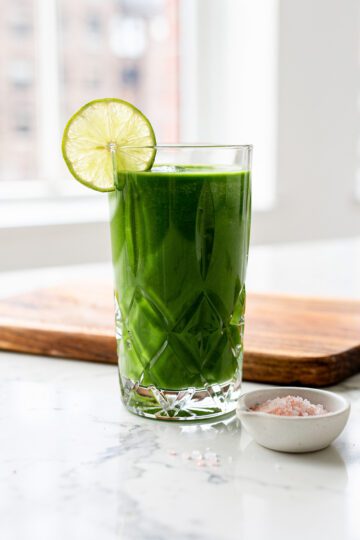
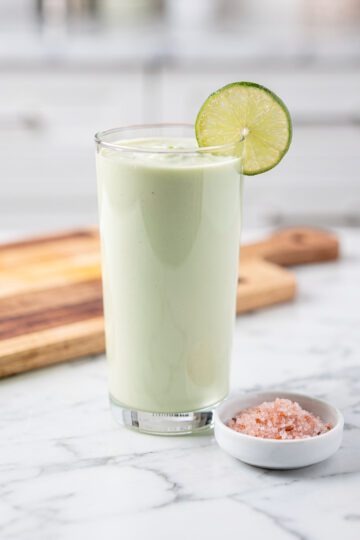
I recommend clear glass tumblers or mason jars that showcase matcha's beautiful green color enhanced with pink salt. Seeing that vibrant iced salted matcha motivates, trust me.
Flavorful Variations to Try at Home
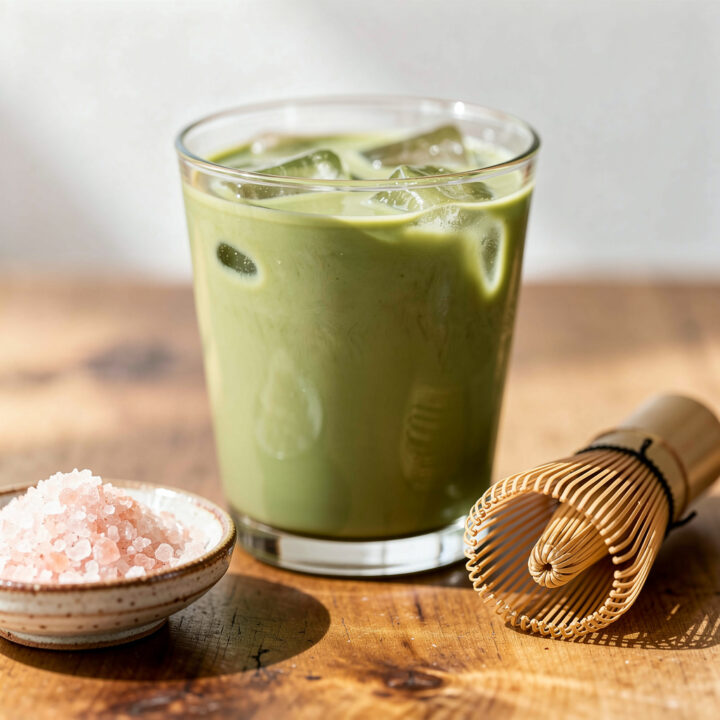
Ready to jazz up your iced matcha with pink salt? Here are some delicious spins for different moods and palettes.
Iced Salted Matcha Latte with Oat or Almond Milk
- Whisk matcha powder, 1/16 teaspoon pink salt, and 2 oz hot water.
- Add 6 oz chilled oat or almond milk.
- Ice cubes and gentle stir.
This creamy version has the perfect mix of earthiness, salt, and plant-based cream.
Refreshing Salted Matcha Lemonade
- 2 grams matcha + 1/16 teaspoon salt whisked with hot water.
- Add 2 oz freshly squeezed lemon juice and 6 oz cold water.
- Ice cubes, stir and enjoy a tangy, salty-sweet zing.
This is a bright twist great for hydration, especially on warm days.
Spiced Salted Matcha with Ginger and Vanilla
- Add a dash of ground ginger and ¼ teaspoon vanilla extract to your matcha + pink salt whisk.
- Dilute with cold water and ice.
Warm spices meet cooling salt for a cozy, balanced drink, and if you love this warming direction, our dedicated ginger pink salt hydration drink takes that spiced mineral combination even further..
Find more tasty pink salt recipes at Salt Clarity like the Ginger Turmeric Lemon Pink Salt Shot or Pink Himalayan Salt Lemon Water to complement your iced salted matcha game.
Storage, Shelf Life, and Chemistry of Salt in Prepared Matcha Drinks
How Salt Interacts with Matcha Over Time
Salt slows down flavor degradation a bit by stabilizing matcha's chlorophyll and antioxidants. That said, iced salted matcha is best enjoyed fresh for peak brightness and froth.
If stored, keep it in an airtight container in the fridge and consume within 24 hours, longer storage can dull flavor and cause separation.
Best Practices for Storing Leftover Iced Salted Matcha
- Refrigerate in sealed glass jars to maintain taste and stop oxidation.
- Stir thoroughly before drinking to remix any settled solids.
- Avoid freezing; ice crystals ruin that smooth mouthfeel we chase.
For a quick electrolyte and hydration boost, pair your iced salted matcha leftovers with a small glass of Coconut Water Pink Himalayan Salt Electrolyte or revisit the magic of a Pink Salt Citrus Wake-Up Shot to round out your menu.
Conclusion
Adding a pinch of pink Himalayan salt to your iced matcha is a game changer, a smart, science-based tweak that balances bitterness and unlocks sweetness without extra sugar or fuss. Whether you whip up a simple iced matcha with pink salt or try the refreshing salted matcha lemonade or creamy latte versions, the benefits go beyond flavor into hydration, electrolytes, and a more enjoyable ritual.
Try smaller measuring spoons to learn your perfect pinch and swap plant milk or sweeteners to fit your routine. Remember, tiny pink-salt pinches bring big flavor without the diet drama.
Both recipes work as part of a structured approach, the himalayan pink salt weight loss guide puts them in context alongside the full mineral strategy.
For more healthful drinks that marry pink Himalayan salt and flavor, check out the Himalayan Pink Salt Weight Loss Drink Recipe or try the Green Smoothie Pink Salt for a plant-packed boost. With regular kitchen tools and a little pink salt magic, you're all set for delicious, less bitter iced matcha that never compromises on joy or wellness.
Let me know how your iced matcha with a pinch of pink salt turned out in the comments! Don't forget to tag @SaltClarity on Pinterest when you share your vibrant green creations.
FAQs about Iced Matcha with a Pinch of Pink Salt
A pinch of pink salt can enhance the natural sweetness and umami flavor of matcha, creating a more balanced and nuanced taste. It also helps to reduce any potential bitterness. The salt shouldn't be overpowering; a very small amount is key.
Pink Himalayan salt is often preferred due to its mineral content and slightly less intense salinity compared to table salt. Sea salt is another good option. Avoid iodized salt, as it can impart an unpleasant flavor.
Matcha, when mixed with water or milk, contributes to your daily fluid intake and can be hydrating. However, like coffee, it contains caffeine, which can have a mild diuretic effect. Therefore, it's best to drink it alongside other hydrating beverages.
Drinking matcha daily can provide sustained energy due to its unique caffeine content combined with L-theanine. It's also rich in antioxidants, which can help protect your cells from damage. Some studies suggest it may improve focus and cognitive function.
Consuming too much matcha can lead to side effects like anxiety, insomnia, and digestive upset due to its caffeine content. Most experts recommend limiting your intake to 1-2 servings per day. Listen to your body and adjust accordingly.
Matcha may support weight loss efforts due to its potential to boost metabolism and increase fat burning. However, it's not a magic bullet and should be combined with a healthy diet and exercise. More research is needed to confirm these effects.
💬 Lets Stay Connected!
For daily recipes, kitchen tips, and exclusive content, follow me on:
👉 Facebook for behind-the-scenes & community fun
👉 Pinterest for visual inspiration & meal ideas
👉 X (Twitter) for quick tips & trending recipes
📲 Join the flavor journey, your next favorite recipe is just a follow away!

Leave a Reply