
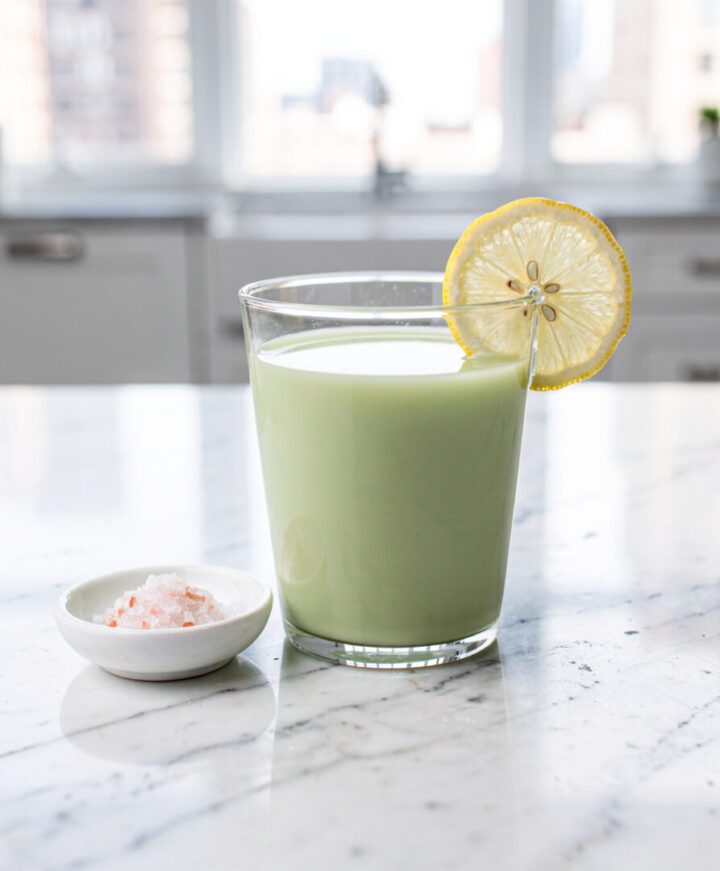
A single serving of glucomannan fiber expands in your stomach to crush hunger hormones, making japanese gelatin weight loss a science-backed tool for steady calorie control. But here is the problem nobody talks about: "Japanese gelatin" is not one ingredient. It is at least three completely different substances, and most articles only explain one of them, leaving you confused, under-informed, and possibly using the wrong type entirely.
I grew up in Queens, surrounded by every kind of food culture imaginable. When a Japanese neighbor first handed me a konjac jelly pouch before dinner, I thought it was a snack. It was actually a satiety strategy. That one moment sent me down a deep research rabbit hole. For a related approach using pink salt and gelatin together, check out the pink salt gelatin trick for weight loss.
Here is what you need to know: the three types are konjac (glucomannan), kanten (agar-agar), and fish collagen gelatin. Each works differently. Japan has one of the world's lowest obesity rates at roughly 4.5%, and these foods are not a wellness trend there. They are centuries-old dietary staples. Let me break down every type, the real science, and exactly how to use each one.
Jump to:
- Japanese Gelatin Weight Loss
- What Does "Japanese Gelatin" Actually Mean? Clearing Up the Terminology
- The Japanese Dietary Context: Why These Foods Are Not a Trend
- How Konjac (Glucomannan) Works for Weight Loss: The Full Mechanism
- How Kanten (Agar-Agar) Works: Zero Calories, Maximum Volume
- Fish Collagen Gelatin: The Weight Loss Role Is Different
- How to Use Japanese Gelatin for Weight Loss: Practical Protocols
- Safety Warnings: What Every Article Leaves Out
- Which Type of Japanese Gelatin for Weight Loss Is Right for You
- FAQs about japanese gelatin weight loss
Japanese Gelatin Weight Loss
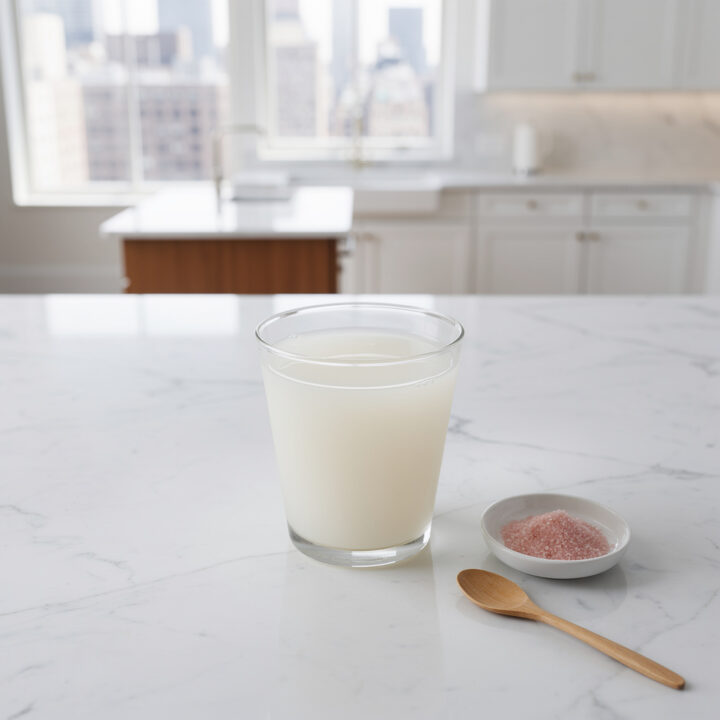
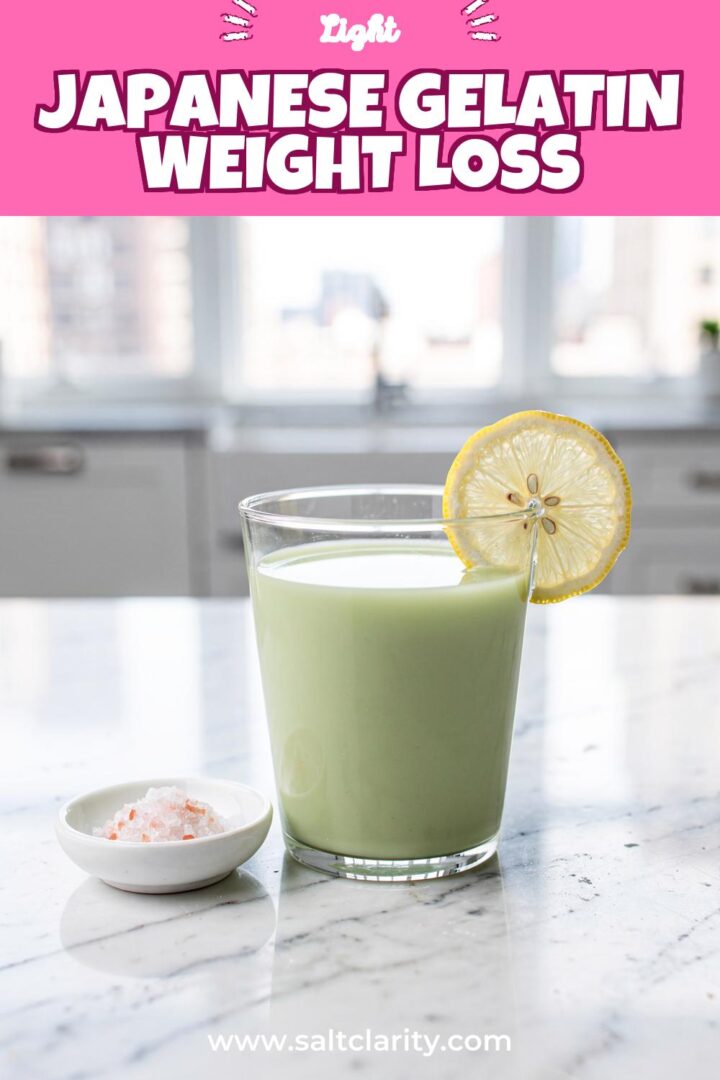
This recipe guide shows you how to prepare three distinct Japanese gelatin types for weight loss: konjac glucomannan jelly for appetite suppression, kanten agar-agar for zero-calorie volume, and fish collagen gelatin for metabolic support. Each version serves a specific purpose and can be used as a pre-meal ritual to naturally reduce calorie intake.
- Total Time15min plus chilling time
- Yield1 serving per type 1x
- DietDairy Free, Gluten Free, Low Calorie
Ingredients
- For Konjac Glucomannan Jelly: 1 pouch (150-200ml) drinkable konjac jelly (approx 6-10 kcal)
- For Konjac Glucomannan Jelly: 250ml water (for drinking alongside)
- For Kanten Agar-Agar Jelly: 2g kanten powder (agar-agar)
- For Kanten Agar-Agar Jelly: 200ml warm unsweetened green tea or water
- For Fish Collagen Gelatin: 6g fish collagen peptides (Type I)
- For Fish Collagen Gelatin: 200ml warm water or tea
- Optional for all: ⅛ teaspoon pink Himalayan salt (about 0.3g) for mineral balance and flavor
Instructions
- For Konjac Glucomannan Jelly: Open the drinkable konjac jelly pouch. Optionally stir in a pinch of pink Himalayan salt. Consume 15-30 minutes before your largest meal, followed immediately by a full glass of water (250ml minimum). Do not eat dry konjac powder directly.
- For Kanten Agar-Agar Jelly: In a small saucepan, whisk 2g kanten powder into 200ml of warm unsweetened green tea or water. Bring to a gentle boil, stirring constantly for 1-2 minutes until fully dissolved. Optionally add a pinch of pink Himalayan salt. Pour into a small mold or cup. Refrigerate for 10-15 minutes until firm. Eat the entire portion before or at the start of a meal.
- For Fish Collagen Gelatin: In a small bowl, dissolve 6g fish collagen peptides in 200ml warm water or tea (not boiling, as heat can degrade collagen). Stir until fully dissolved. Optionally add a pinch of pink Himalayan salt. Drink immediately or let it cool slightly. Consume as a pre-meal drink or as a mid-day supplement.
- For all types: Always start with a small serving (e.g., half the recommended amount) if you are new to these ingredients. Increase gradually over two weeks. Drink plenty of water throughout the day. For konjac, never exceed 3g glucomannan per day without medical guidance. For kanten, the firm jelly is best eaten before meals. For collagen, use consistently for metabolic support.
- Safety note: Konjac jelly does not dissolve in water or saliva and poses a serious choking hazard. Do not use mini-cup konjac products. Avoid if you have difficulty swallowing or are in a high-risk group (children under 6, elderly, esophageal conditions). For all types, take medications at least 1 hour before or 4 hours after consumption.
Notes
Choose the right type for your goal: konjac for direct appetite suppression, kanten for zero-calorie volume, and fish collagen for metabolic support. The optional pink Himalayan salt helps replenish trace minerals lost due to increased water excretion from high-fiber protocols and improves the bland flavor of plain konjac or agar-agar. Always hydrate adequately with konjac. For best results, use daily as a pre-meal ritual.
- Prep Time: 10min
- Cook Time: 5min
- Category: Snack
- Method: No-Cook
- Cuisine: Japanese
Nutrition
- Serving Size: 1
- Calories: 10
- Sugar: 0
- Sodium: 5
- Fat: 0
- Saturated Fat: 0
- Unsaturated Fat: 0
- Trans Fat: 0
- Carbohydrates: 2
- Fiber: 1
- Protein: 1
- Cholesterol: 0
What Does "Japanese Gelatin" Actually Mean? Clearing Up the Terminology
Most search results pick one substance and run with it. That approach leaves a massive gap in understanding the actual japanese gelatin weight loss conversation.
Three Substances, One Confusing Name
These three are distinct in origin, texture, calorie count, and mechanism:
Konjac (konnyaku): Made from the glucomannan fiber of the konjac plant root. Plant-based, near-zero calories, and produces a slippery, dense gel. This is the heavy hitter for appetite suppression.
Kanten (agar-agar): Derived from red seaweed. It sets significantly firmer than Western gelatin and contains zero net calories. Traditionally used in Japanese wagashi sweets and the modern kanten diet movement.
Fish collagen gelatin (gyosho-style): Animal-derived from fish skin and bones. Rich in Type I collagen peptides and the amino acid glycine. Low calorie but not zero. Works through an entirely different pathway than the other two.
One important clarification: Western gelatin made from bovine or porcine sources is a fourth option, but it is not part of the Japanese dietary tradition and does not carry the same functional properties. Do not conflate them.
Why the Search Term Exists: The Cultural Bridge
English-speaking audiences see the jiggly, translucent texture of Japanese gelatinous foods and immediately think Jell-O. That association is understandable but misleading.
In Japan, konnyaku, kanten, and fish collagen are treated as distinct culinary categories with separate purposes, separate seasons, and separate health identities. Calling all three "Japanese gelatin" is like calling miso, soy sauce, and sake the same thing because they all come from fermented soybeans. The texture overlap is where the label comes from. The function is where it ends.
The Japanese Dietary Context: Why These Foods Are Not a Trend
Understanding the cultural roots of japanese gelatin weight loss practices matters because it tells you something important: this is not a six-week detox. It is an embedded dietary habit with 1,500 years of practical evidence behind it.
Konnyaku: 1,500 Years of Satiety Engineering
Konnyaku has been cultivated in Japan since the 6th century CE. Buddhist monks used it as a fasting food precisely because it fills the stomach without technically breaking a fast. The fiber provides bulk. The calories are negligible. The stomach, quite literally, does not know the difference.
In modern Japanese home cooking, konnyaku blocks and shirataki noodles appear regularly in oden (winter stew), sukiyaki, and nimono (simmered dishes). These are not diet foods in the Western sense. They are everyday ingredients, eaten by everyone, at every age.
The Japanese even have a folk term for it: "stomach broom," or i no houki (胃のほうき). It describes konnyaku's role as a fiber-cleansing agent that sweeps the digestive tract. That metaphor alone tells you how naturally this food is woven into the culture.
The Kanten Diet Boom and Japan's Obesity Rate
In the early 2000s, the kanten daietto (kanten diet) became a national phenomenon after a Japanese television health program showed significant weight loss results from replacing sugary desserts with agar-based jelly eaten before meals. Grocery stores sold out of kanten powder nationwide.
Japan's adult obesity rate sits at approximately 4.5% according to WHO data, compared to over 36% in the United States. No single food explains that gap, but nutritional researchers consistently cite the structural role of high-fiber, low-calorie, gelatinous foods as meal anchors in Japanese eating patterns. The kanten diet weight loss results that caught television audiences off guard were not magic. They were just logic, applied consistently.
How Konjac (Glucomannan) Works for Weight Loss: The Full Mechanism
This is where japanese gelatin weight loss science gets genuinely interesting, and where most articles stop too early.
From Fiber to Fullness: The Gastric Sequence
Saying konjac "expands in your stomach" is technically true and practically useless. Here is the full chain:
- Glucomannan absorbs up to 50 times its own weight in water within minutes of ingestion.
- The resulting viscous gel slows gastric emptying. Food moves more slowly from the stomach to the small intestine.
- Slower gastric emptying reduces the rate of glucose absorption, blunting post-meal blood sugar spikes.
- Prolonged stomach distension signals the brain through the vagus nerve that you are full.
- Lower blood glucose variability suppresses ghrelin, the primary hunger hormone, reducing appetite for the next 2 to 4 hours.
The net result: lower total caloric intake across the full day, without any feeling of deprivation. That is konjac glucomannan appetite suppression working exactly as designed.
If you are exploring other approaches that work through similar appetite-regulating pathways, the breakdown of natural Mounjaro alternatives covers several fiber-based and hormonal strategies worth reading alongside this guide.
What the Research Shows
The landmark glucomannan RCT published in the International Journal of Obesity (Birketvedt et al., 2005) found that participants taking 1g of glucomannan with water before each meal lost significantly more weight over 8 weeks than placebo groups on identical diets. An American Journal of Clinical Nutrition meta-analysis further confirmed secondary benefits including reduced LDL cholesterol and improved fasting blood glucose.
For a practical recipe built around this same satiety mechanism, the GLP-1 gelatin recipe applies the same pre-meal timing protocol in a drink format.
One honest limitation: most studies use glucomannan supplements, not whole konjac jelly. The whole jelly form offers less dosage precision but is considerably more palatable and far more sustainable long-term. For most people, adherence wins over precision every time.
How Kanten (Agar-Agar) Works: Zero Calories, Maximum Volume
Kanten agar-agar zero calories is not a marketing claim. It is physiology.
The Science of Zero-Calorie Bulk
Agar-agar is an indigestible polysaccharide fiber derived from red algae. The human gut simply cannot break it down enzymatically, so it contributes zero net calories while still occupying real physical space in the stomach.
It also sets considerably firmer than either standard gelatin or konjac jelly, which means it holds its structure in the stomach longer. That structural persistence extends the mechanical fullness signal. Unlike glucomannan, agar-agar does not expand dramatically upon ingestion. Its agar-agar weight loss effect is primarily caloric displacement: swapping out a higher-calorie food for a zero-calorie solid that still satisfies the sensory and volume needs of a meal. Chewing matters. Texture matters. Kanten delivers both at no caloric cost.
The Kanten Diet Protocol: How It Was Used
The original kanten diet japan protocol was straightforward:
- Dissolve 2g of kanten powder in 200ml of warm unsweetened tea or water.
- Pour into a small mold or cup.
- Refrigerate for 10 to 15 minutes until firm.
- Eat the entire portion before, or at the very start of, a meal.
The meal that follows is naturally smaller. Stomach capacity is already partially occupied by zero-calorie bulk. There is no willpower required. The system does the work for you.
This approach works best as a consistent pre-meal ritual. Using it occasionally produces occasional results. Daily consistency is what the original kanten diet plan was built on.
Fish Collagen Gelatin: The Weight Loss Role Is Different
Fish collagen gelatin Japan is a separate category, and conflating it with konjac or kanten will lead you to the wrong expectations.
What Fish Collagen Actually Does
Japanese fish collagen comes from the skin and scales of species like snapper, flounder, and tuna. It is dense in Type I collagen peptides and the amino acid glycine.
Glycine has well-documented roles in improving sleep quality and reducing systemic inflammation. Both of those effects have downstream consequences for weight: better sleep lowers cortisol, and lower cortisol reduces stress-driven eating while improving insulin sensitivity. That is the indirect mechanism at work here.
Fish collagen gelatin Japan is not a fat-burning agent. It is not an appetite suppressant in the way glucomannan is. It runs approximately 25 to 35 calories per 6g serving, which is low but not zero. Think of it as a supplemental protein with metabolic support benefits, not a volume-filling fiber.
Who Should Choose Collagen Over Konjac
Fish collagen is the right tool if you are already managing caloric intake well and want additional support for sleep quality, skin health, joint function, and metabolic regulation. It is not the right primary tool for appetite suppression or pre-meal loading. That role belongs to konjac and kanten. Choosing the wrong type is the most common mistake people make when exploring japanese gelatin weight loss strategies.
How to Use Japanese Gelatin for Weight Loss: Practical Protocols
Knowing the science means nothing without a workable routine. Regular kitchen, regular schedule, real results.
The Pre-Meal Protocol for Konjac and Kanten
Timing: consume 15 to 30 minutes before your two largest meals of the day.
Konjac jelly form: One 150 to 200ml serving of drinkable konjac jelly (approximately 6 to 10 kcal) with a full glass of water, minimum 250ml, immediately before eating. The water is non-negotiable. Without adequate hydration, konjac fiber cannot expand properly and creates a swallowing risk.
Kanten powder form: 2g dissolved in 200ml of warm unsweetened green tea or water, set in a small mold, consumed as a firm pre-meal block.
Glucomannan supplement form: 1g capsule or powder with 250ml water, 30 minutes before meals. Do not exceed 3g per day without medical guidance. This is the glucomannan dosage before meals that clinical studies consistently used.
Adding Pink Himalayan Salt for Mineral Balance
Here is something most japanese gelatin weight loss guides skip entirely: high-fiber protocols increase water excretion, and that water takes trace minerals with it.
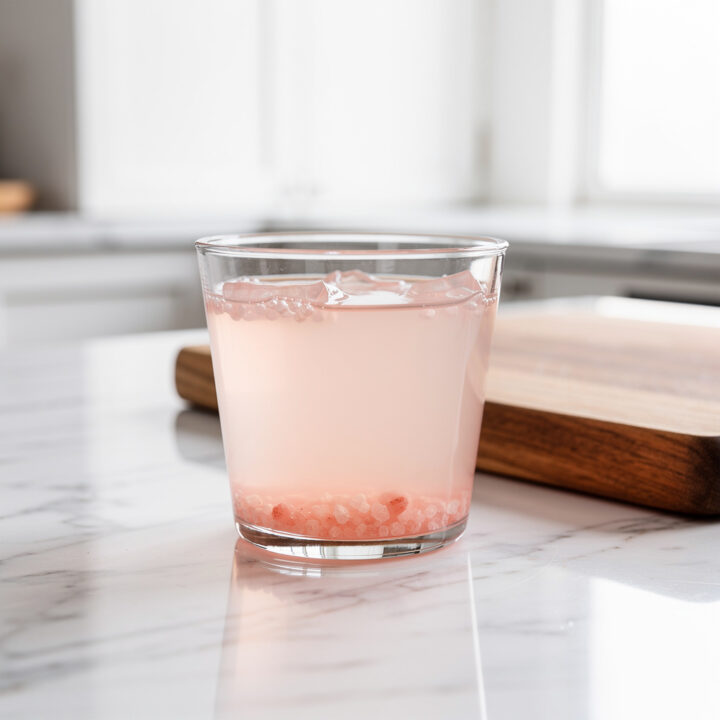
A tiny pinch of pink Himalayan salt, roughly ⅛ teaspoon or about 0.3g, dissolved into your kanten jelly or konjac drink replaces sodium, potassium, and magnesium lost through this process. That mineral replenishment prevents the low-electrolyte fatigue and headaches that quietly cause people to abandon high-fiber protocols after two weeks.
There is a flavor benefit too. Plain konjac jelly tastes like almost nothing, and that blandness is the single most common reason for long-term non-adherence. A micro-pinch of pink salt adds a gentle mineral salinity that makes the whole experience noticeably more pleasant. Tiny pink-salt pinches, big flavor. That is the Salt Clarity difference. For a dedicated drink recipe that combines pink salt with weight loss, see the Himalayan pink salt weight loss drink recipe.
Safety Warnings: What Every Article Leaves Out
This section matters more than most of what you have read online about konjac jelly weight loss.
The Choking Hazard Is Not Minor: Here Is Why It Happens
Unlike standard gelatin, which melts in the mouth, or agar-agar, which is firm but crumbles and dissolves, konjac jelly does not dissolve in water or saliva at room temperature. It can form a physical plug in the airway or esophagus. That is not a theoretical risk. Mini-cup konjac jelly products have been linked to documented fatalities.
The EU banned mini-cup konjac jelly products in 2004 under EU Directive 2004/4/EC. The FDA has issued import alerts targeting these products. Canada, Australia, and several US states restrict or prohibit their sale. The konjac jelly choking hazard is a regulatory issue, not just a cautionary note on a package.
Drinkable pouch formats are considered lower risk because the viscosity is thinner, but the hydration rule still applies regardless of format. High-risk groups should avoid konjac jelly entirely: children under 6, elderly adults, and anyone with a history of difficulty swallowing or esophageal conditions.
Digestive Side Effects and Drug Interactions
Start small. Beginning with more than 1g of glucomannan per serving can cause significant bloating, gas, and loose stools in people with sensitive digestive systems. Start at 0.5g and increase gradually over two weeks.
Drug absorption is a real concern. Glucomannan can delay the absorption of oral medications by forming a gel layer in the digestive tract. Take any medication at least one hour before or four hours after glucomannan consumption. Individuals with a history of bowel obstruction, severe gastroparesis, or a known konjac allergy should not use these products at all.
Which Type of Japanese Gelatin for Weight Loss Is Right for You
If you made it this far, you now know more about japanese gelatin weight loss than most people writing about it. Three substances. Three mechanisms. One culturally grounded, scientifically supported system that Japan has been using for centuries while the rest of the world is only now catching on.
Konjac glucomannan is your best tool for direct appetite suppression and ghrelin control. Kanten agar-agar is your best tool for zero-calorie volume displacement before meals. Fish collagen gelatin supports the metabolic conditions - sleep, inflammation, insulin sensitivity - that make weight management easier over time. Use the right one for your specific goal, hydrate properly, add that tiny pink-salt pinch for minerals and flavor, and build the ritual consistently.
For the broader pink salt weight management context, the Himalayan pink salt weight loss guide is the foundational resource. And for honest user-reported results after 30 to 90 days of gelatin use, the gelatin weight loss reviews covers four evidence layers without a sales pitch.
Try smarter, not stricter.
Drop a comment below and let me know which type you are starting with. I read every one.
FAQs about japanese gelatin weight loss
Japanese gelatin, commonly known as kanten or agar-agar, is a plant-based gel derived from red algae. It is extremely low in calories yet expands in the stomach, promoting a feeling of fullness that helps reduce overall food intake. This makes it a popular tool in Japanese diet culture for supporting weight loss.
The Kanten diet is a Japanese weight loss method that involves consuming agar-agar gelatin before or with meals to curb appetite and reduce calorie intake. Studies, including research featured on Japanese television, suggest participants lost an average of 8 pounds over 12 weeks. While results vary, the diet is considered effective when combined with a balanced eating plan.
To use Japanese gelatin for weight loss, dissolve agar-agar powder or flakes in hot water or tea and allow it to set into a gel before consuming it prior to meals. Eating this low-calorie gel helps fill the stomach and suppress hunger, leading to reduced portion sizes. It can also be mixed into soups, desserts, or smoothies as a dietary supplement.
No, Japanese gelatin (agar-agar or kanten) is not the same as regular gelatin, which is derived from animal collagen. Agar-agar is 100% plant-based, making it suitable for vegetarians and vegans, and it contains significantly more dietary fiber. It also sets firmer than regular gelatin and has superior appetite-suppressing properties due to its high soluble fiber content.
Japanese gelatin is generally considered safe for most people when consumed in moderate amounts, but excessive intake can cause digestive discomfort such as bloating, gas, or diarrhea due to its high fiber content. It may also interfere with the absorption of certain medications if consumed in large quantities. It is advisable to start with small amounts and consult a healthcare professional if you have any underlying health conditions.
Weight loss results with the Japanese gelatin diet vary depending on individual factors such as diet, activity level, and metabolism. Clinical observations in Japan have reported losses of approximately 6 to 10 pounds over a 12-week period when agar-agar is used consistently before meals. For best results, it should be incorporated as part of a calorie-controlled, nutrient-rich diet rather than used as a standalone solution.
💬 Lets Stay Connected!
For daily recipes, kitchen tips, and exclusive content, follow me on:
👉 Facebook for behind the scenes & community fun
👉 Pinterest for visual inspiration & meal ideas
👉 X (Twitter) for quick tips & trending recipes
📲 Join the flavor journey, your next favorite recipe is just a follow away!
Disclaimer: This content is provided for general informational and educational purposes only. It is not intended as medical, nutritional, or professional advice. Always consult a qualified healthcare professional or registered dietitian before making changes to your diet, health routine, or lifestyle. Individual needs and results may vary




Leave a Reply