
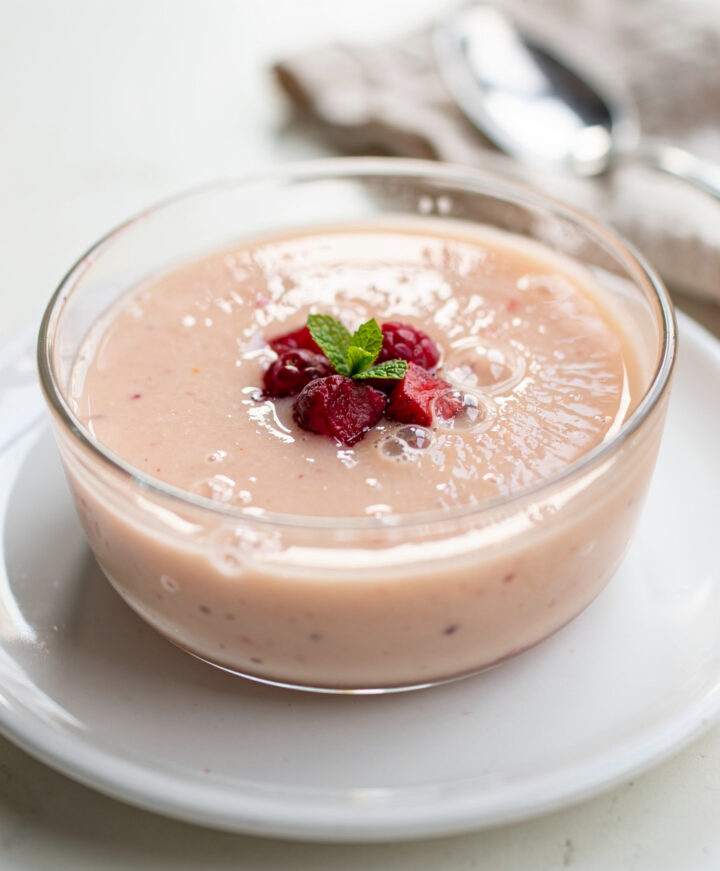
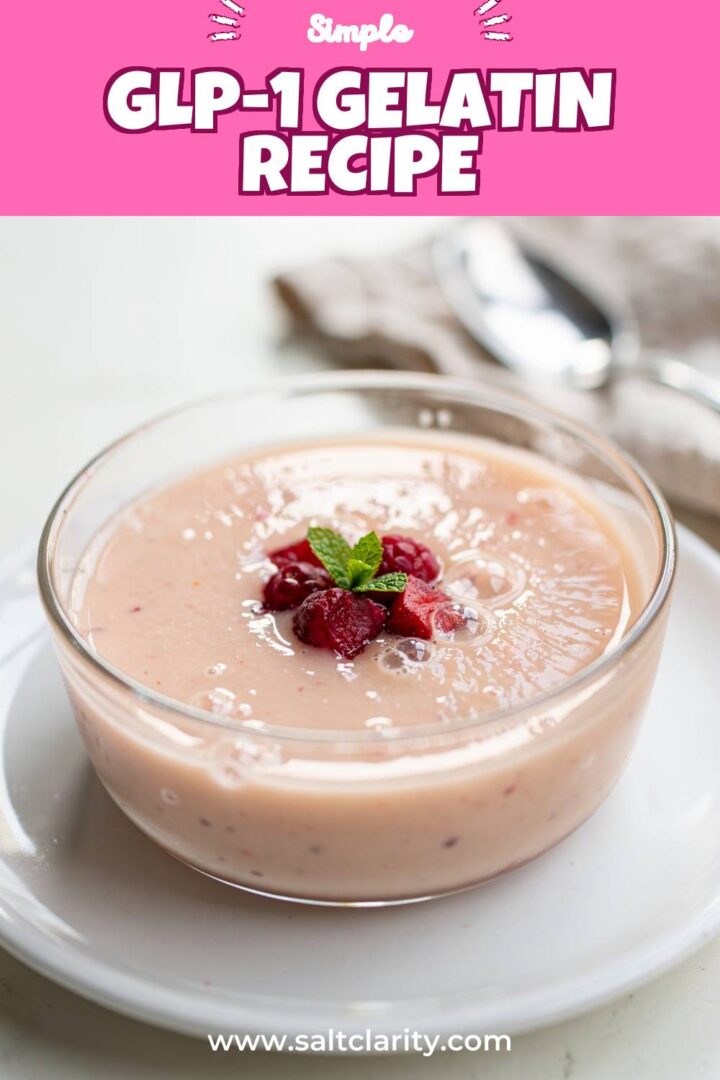
My kitchen became a lab when I started crafting a GLP-1 gelatin recipe to soothe my own medication side effects. The result was a shimmering, protein-packed treat that calmed my stomach and kept me full. This recipe is a perfect example of the kind of supportive, healthy recipes for weight loss that can make a real difference.
I had just started on semaglutide, and honestly? The first two weeks were rough. Nausea hit me around noon like clockwork. Eating felt like a chore. My protein intake was slipping, and I could feel it in my energy and my mood. That is when I remembered something my grandmother used to do in her Queens kitchen. She would make these wobbly little gelatin cups whenever anyone in the family felt off. Nothing fancy. Just warm, gentle, nourishing food that asked nothing of your stomach.
I took her idea and ran it through everything I know about food science, weight loss nutrition, and GLP-1 medication support. The result is this glp-1 gelatin recipe. It is designed specifically for people on Ozempic, Wegovy, Mounjaro, or any GLP-1 agonist who need protein without bulk, hydration without effort, and something that tastes good even when nothing sounds appealing.
This is not your childhood Jell-O. This is chef logic meets medication-aware nutrition. Let us get into it.
Why This GLP-1 Gelatin Recipe Supports GLP-1 Treatments
The Science Behind GLP-1 and Satiety
GLP-1, or glucagon-like peptide-1, is a hormone your gut releases naturally after eating. It signals your brain to slow down digestion, reduce appetite, and regulate blood sugar. Medications like semaglutide (Ozempic, Wegovy) and tirzepatide (Mounjaro) mimic or amplify this signal, which is why they work so powerfully for weight management.
But here is the catch. When your appetite is suppressed this aggressively, getting enough protein and staying hydrated becomes genuinely hard. Most people on GLP-1 agonists eat far less than they realize, and that reduction can lead to muscle loss, fatigue, and digestive slowdown. This glp-1 gelatin recipe fills that gap quietly and comfortably.
Small portions. High impact. No full stomach required.
Gelatin's Unique Amino Acids and Gut Health
Gelatin is made from collagen, the structural protein found in animal bones and connective tissue. When you break it down, you get two standout amino acids: glycine and proline.
Glycine is not just a building block. It acts as a calming neurotransmitter that modulates gut motility and reduces gut inflammation. That means it helps things move along smoothly without cramping or discomfort, which is exactly what you want when GLP-1 medications are slowing your digestion.
Proline supports the integrity of your gut lining. A stronger gut lining means better nutrient absorption and less irritation, which matters a lot when your meals are smaller and every bite needs to count.
Together, these amino acids work alongside your GLP-1 medication rather than against it. They support the gut environment that makes satiety feel comfortable, not punishing. You can read more about pairing food-based tools with your wellness goals over at the Natural Mounjaro Recipe guide on Salt Clarity.
Essential Ingredients and Their Roles in This GLP-1 Gelatin Recipe
Choosing the Right Gelatin (Grass-Fed vs. Regular)
Not all gelatin is created equal. Here is a quick breakdown:
| Type | Source | Collagen Types | Digestibility | Best For |
|---|---|---|---|---|
| Grass-fed beef gelatin | Pasture-raised cattle | Type I, III | High | Gut repair, satiety |
| Conventional beef gelatin | Grain-fed cattle | Type I, III | Moderate | Budget-friendly base |
| Pork gelatin | Pork skin | Type I | High | Smooth texture |
| Vegetarian agar | Seaweed | None (not collagen) | Good | Vegan option |
For this glp-1 gelatin recipe, grass-fed gelatin is the gold standard. The animals' diet impacts the nutrient profile, and grass-fed sources tend to have a cleaner, more neutral flavor and higher levels of beneficial compounds. It is an investment in your gut health that pays off with every spoonful.
The Importance of Electrolytes and Hydration
When you are eating less, you are also taking in fewer electrolytes from food. Dehydration and electrolyte imbalance can worsen GLP-1 side effects like nausea and dizziness. That is why this recipe includes a pinch of high-quality salt.
I prefer Himalayan pink salt for its trace mineral content, but any fine sea salt will work. This tiny addition helps your body retain the fluid from the gelatin, turning it into a true hydration vehicle. It is a simple trick with a powerful effect, making this recipe more than just a snack, it is a functional tool for wellness.
For the full mechanistic breakdown of how glycine activates CaSR receptors on intestinal L-cells, the does gelatin boost GLP-1 naturally guide covers the clinical trial data and every pathway in detail.
Print
glp-1 gelatin recipe
A protein-rich, soothing gelatin designed for those on GLP-1 medications. It helps manage nausea, supports hydration, and provides easy-to-digest nutrition without feeling heavy. The recipe uses grass-fed gelatin for gut health and incorporates gentle flavors.
- Total Time4h 15min
- Yield4 servings 1x
- DietGluten Free
Ingredients
- 2 cups unsweetened almond milk or bone broth
- 4 tablespoons grass-fed beef gelatin powder
- 1 scoop unflavored or vanilla collagen peptides
- 1 tablespoon pure maple syrup or 2-3 drops liquid stevia (optional)
- ½ teaspoon pure vanilla extract
- Pinch of sea salt
- Fresh berries or mint for garnish (optional)
Instructions
- Pour ½ cup of the cold almond milk or broth into a medium bowl. Sprinkle the gelatin powder evenly over the surface. Let it bloom for 5 minutes until it looks wrinkled and has absorbed the liquid.
- Heat the remaining 1 ½ cups of liquid in a small saucepan over medium heat until it is just steaming, not boiling.
- Pour the warm liquid over the bloomed gelatin. Whisk continuously for 2-3 minutes until the gelatin is completely dissolved and the mixture is smooth.
- Whisk in the collagen peptides, optional sweetener, vanilla extract, and sea salt until fully combined.
- Divide the mixture evenly among 4 small cups or ramekins. Let them cool to room temperature, then refrigerate for at least 4 hours, or until fully set and firm.
- Serve chilled, garnished with berries or mint if desired. Store covered in the refrigerator for up to 5 days.
Notes
For a savory version, use bone broth, omit sweetener and vanilla, and add a dash of turmeric or herbs. If nausea is severe, start with a half serving. Ensure liquid is not boiling, as high heat can damage gelatin's setting properties.
- Prep Time: 10min
- Cook Time: 5min
- Category: snack
- Method: no-cook setting
- Cuisine: American
Nutrition
- Serving Size: 4
- Calories: 80
- Sugar: 2
- Sodium: 120
- Fat: 2
- Saturated Fat: 0
- Unsaturated Fat: 1.5
- Trans Fat: 0
- Carbohydrates: 3
- Fiber: 0
- Protein: 12
- Cholesterol: 0
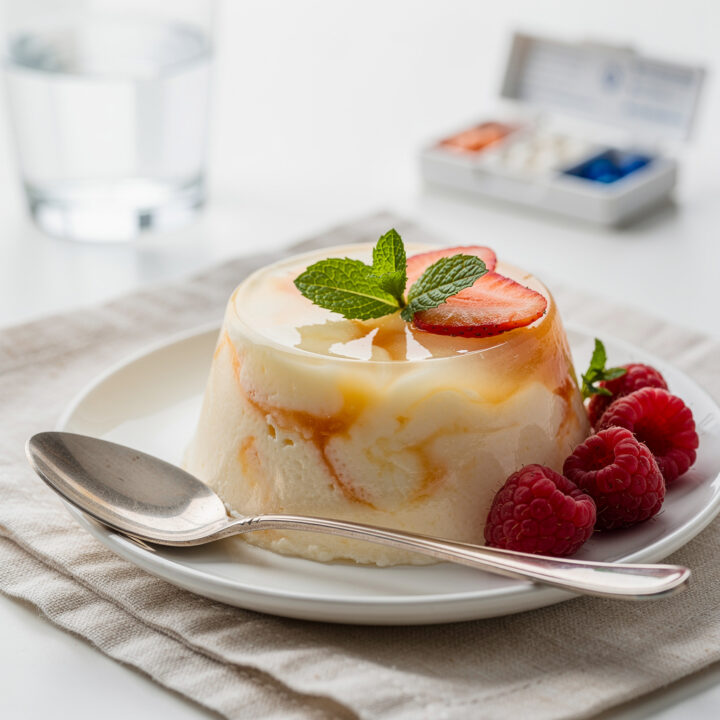
Step-by-Step Instructions for the Perfect GLP-1 Gelatin
Blooming the Gelatin (The Non-Negotiable Step)
The key to a smooth, lump-free gelatin is blooming. This means sprinkling the powdered gelatin over a cold liquid and letting it sit for 5-10 minutes. The granules will absorb the liquid and swell up, looking like grainy applesauce.
Do not skip this. If you add dry gelatin directly to hot liquid, it will clump into unappetizing globs that will never fully dissolve. Blooming ensures an even distribution and a flawless set.
Gentle Heating and Flavor Infusion
After blooming, you will gently heat the mixture. Use low heat and stir constantly. You are not trying to boil it; you just need to melt the gelatin completely so it becomes a clear liquid. This is the perfect time to stir in your flavorings.
Think beyond the packet. A splash of real lemon juice, a drop of vanilla extract, or a sprinkle of cinnamon can transform this from a medical food into a treat you actually crave. The goal is to create something pleasant and palatable, especially for those days when finding a low calorie dinner idea feels overwhelming.
Creative Variations and Healthier Alternatives
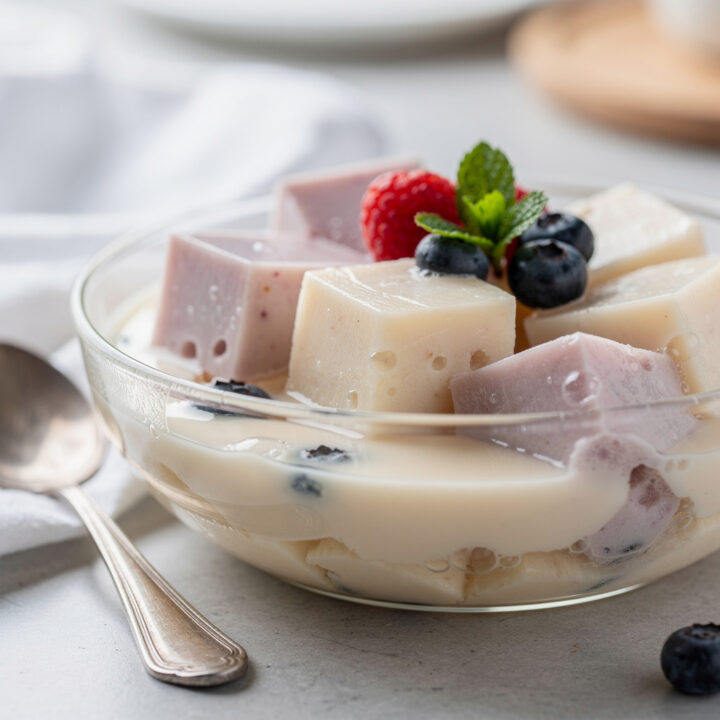
Boosting Protein with Collagen Peptides
For an extra protein punch, stir a scoop of unflavored collagen peptides into the warm liquid after the gelatin has melted. Collagen peptides dissolve in both hot and cold liquids and won't affect the gelling properties. This turns your soothing gelatin into a powerful muscle-preserving snack, delivering a double dose of gut- and joint-supportive protein.
For more expert-endorsed variations built on the same foundation, the Dr Jennifer Ashton gelatin trick recipe offers 5 flavor hacks specifically designed for bariatric and calorie-restricted use.
For a hydration-focused version, the electrolyte gelatin recipe combines coconut water and pink salt for post-workout mineral recovery.
Natural Flavor Combinations for Variety
Sticking to one flavor leads to boredom, and boredom is the enemy of any eating plan. Here are a few combinations to keep your taste buds interested:
- Citrus-Ginger: Fresh lemon juice + a tiny pinch of grated ginger. Excellent for nausea.
- Berry Hibiscus: Use cooled hibiscus tea as your liquid and stir in a few mashed raspberries.
- Spiced Chai: Infuse your water with a chai tea bag before blooming the gelatin.
- Tropical Coconut: Use coconut water as part of your liquid and add a drop of coconut extract.
For a hydration-focused version, the Electrolyte Gelatin Recipe combines coconut water and pink salt for post-workout mineral recovery.
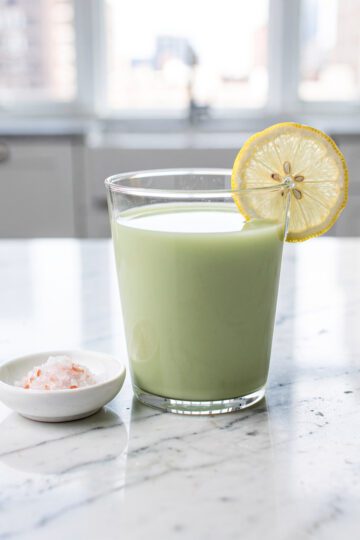
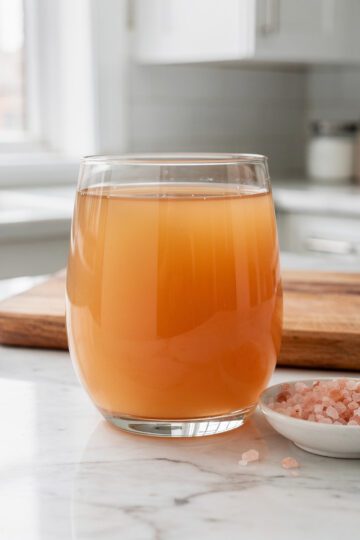
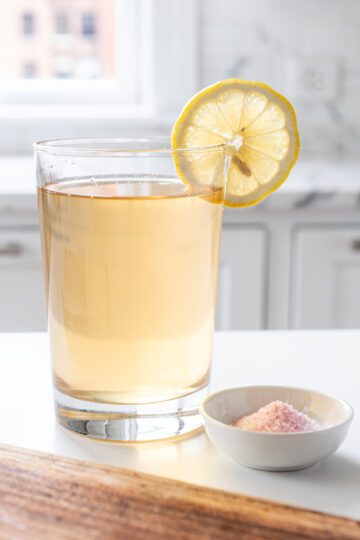
These variations keep the experience fresh and ensure you have a go-to option for different needs, whether you are looking for a natural appetite suppressant between meals or a calming treat. For a drink-format version that focuses on electrolyte support and timing protocols, the Himalayan salt gelatin drink is the closest companion recipe on Salt Clarity. If you prefer something chewable and portable, the Gelatin Mounjaro Recipe sets the same satiety ingredients into a gummy you can batch-prep on Sunday and grab all week.
For the cultural and scientific context behind Japan's centuries-old gelatinous food tradition, the japanese gelatin weight loss guide covers konjac, kanten, and fish collagen as three distinct satiety tools."
Important Considerations and Precautions
When to Consume for Maximum Benefit
Timing is everything. I found this gelatin most helpful in two windows:
- Mid-Morning (10-11 AM): This preemptively calmed the nausea that used to hit me at noon. It provided a gentle protein base before any potential discomfort began.
- As an Evening Snack: A small cup a few hours after dinner helped extend satiety through the night without feeling heavy. It prevented me from waking up ravenous, which can lead to less-than-ideal breakfast choices.
Listen to your body. It is a light, versatile tool you can use whenever you need a buffer.
Potential Interactions and Allergies
While gelatin is generally very safe, consider these points:
- Source Allergies: If you have a specific allergy to beef or pork, choose a gelatin source you tolerate (like fish collagen) or opt for a vegan agar-agar version (note: agar sets firmer and has a different texture).
For patients recovering from bariatric surgery who want to use gelatin as part of their protocol, our dedicated bariatric gelatin recipe covers the stage-specific guidelines, protein powder temperature rules, and the maltitol trap that trips up most first attempts.
- Medication Timing: There are no known direct interactions between gelatin and GLP-1 medications. However, because this recipe promotes fullness, avoid consuming a large portion immediately before or after your injection if you find it affects your appetite.
- Underlying Conditions: As with any dietary change, if you have severe kidney issues or are on a highly restrictive protein diet, consult your doctor. For most people, this recipe is a safe and beneficial addition, much like exploring Mounjaro alternatives can be part of a holistic health strategy.
For the complete science behind how gelatin supports natural appetite regulation, the gelatin for weight loss complete guide covers every mechanism in detail.
Storing and Meal Prepping Your GLP-1 Gelatin
This recipe is a meal-prep dream. Once set, the gelatin will keep in the refrigerator for up to 5 days. I like to make a batch on Sunday and divide it into small 4-ounce mason jars or silicone cups for grab-and-go ease.
For the best texture and to prevent weeping (syneresis), keep it covered in the fridge. If you are taking a portion to work, a small insulated lunch bag with an ice pack is perfect. Do not freeze it, as freezing and thawing can break the gel structure, making it watery and grainy.
Conclusion: A Simple, Soothing Strategy
This GLP-1 gelatin recipe is more than just food. It is a strategy, a way to honor what your body needs while on powerful medications: more protein, gentle hydration, and easy digestion, without adding stress or volume. It turns the challenge of eating less into an opportunity to nourish yourself more thoughtfully.
It brought a moment of quiet, wobbly comfort to my days and helped my body adjust. I hope it does the same for you.
If you want to go deeper, the Andrew Huberman gelatin recipe builds on the same principles with a specific amino acid protocol. For more flavor variety, the Dr Jennifer Ashton gelatin trick recipe offers a bariatric-focused method with 5 tested variations. For a nighttime format, the overnight gelatin trick for weight loss covers how gelatin works during your overnight fasting window. And if you are also managing blood sugar in the morning, the dr phil diabetes recipe builds a complete ACV-based pre-meal ritual around the same fasting glucose science.
FAQs about Glp-1 Gelatin Recipe
Yes, sugar-free gelatin is often preferred for GLP-1-friendly recipes to reduce added sugars. Choose options sweetened with stevia or erythritol. Always check labels to match your dietary needs.
Unflavored gelatin is best because it contains no added sugar or flavors. It is high in protein, which may support satiety. Pair it with nutritious ingredients for better results.
Gelatin is generally safe for most people. Some may experience mild digestive issues like bloating or gas. Allergic reactions are rare but possible.
Gelatin is rich in protein, which can increase feelings of fullness. It digests more slowly than carbs, helping stabilize hunger. This may support better portion control.
Add low-sugar fruits like berries, chia seeds for fiber, or unsweetened yogurt for protein. These ingredients improve nutrition and satiety. Keep additions balanced to control calories.
Plain gelatin has minimal impact on blood sugar. However, added ingredients like sweeteners or fruits can change this. Choose low-sugar options to maintain stable levels.
💬 Let's Stay Connected!
For daily recipes, kitchen tips, and exclusive content, follow me on:
👉 Facebook for behind-the-scenes & community fun
👉 Pinterest for visual inspiration & meal ideas
👉 X (Twitter) for quick tips & trending recipes
📲 Join the flavor journey, your next favorite recipe is just a follow away!
Leave a Reply