
Introduction
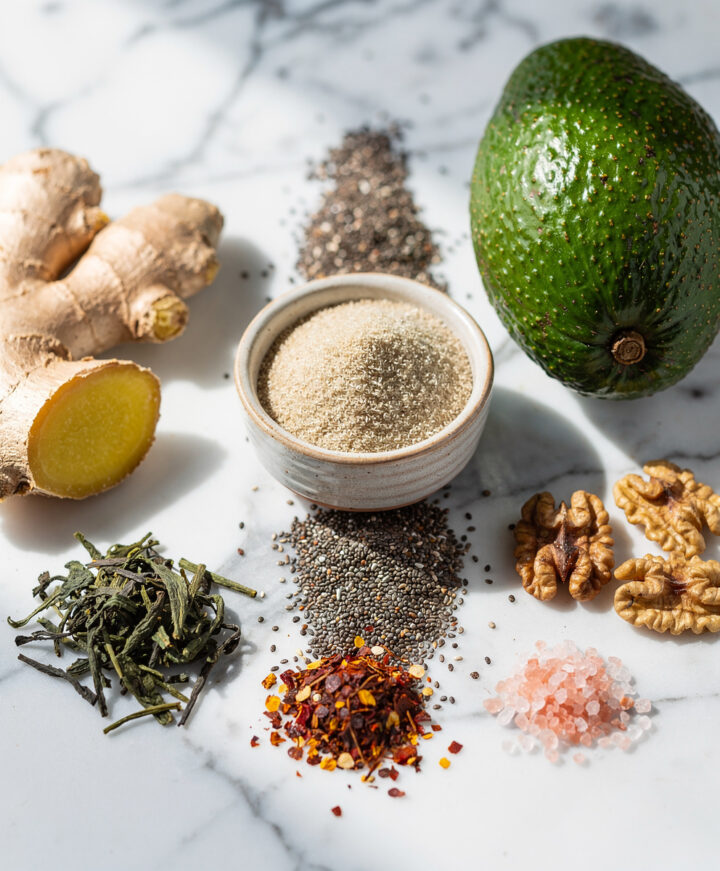
My kitchen used to be a battlefield with my cravings, but understanding the science behind natural appetite suppressants changed everything. Now, I focus on foods that work with my hormones, not against them, to find lasting satisfaction without the struggle.
If you've ever faced the tug-of-war between hunger and willpower, you're not alone. The secret isn't just in eating less but in eating smarter-feeding your body what it needs to feel full and energized while gently quieting the endless signals to snack mindlessly. That's where natural appetite suppressant foods, effective supplements, and lifestyle shifts come into play, guiding you to steady hunger control that fits into real life. Let's dig into the science behind why some foods, herbs, and habits calm cravings, alongside sustainable tips you can start right now.
Jump to:
- Introduction
- How Your Body Controls Appetite: The Hormonal and Neurological Science
- Top Natural Appetite Suppressants: Foods, Supplements, and Their Mechanisms
- How to Incorporate Appetite Suppressants into Your Daily Routine
- Lifestyle Strategies That Regulate Hunger Naturally
- Safety, Side Effects, and Who Should Avoid Certain Suppressants
- Variations: Tailoring Natural Suppressants to Individual Needs
- Storage, Preparation, and the Science of Freshness
- Conclusion
- FAQs about natural appetite suppressant
How Your Body Controls Appetite: The Hormonal and Neurological Science
Ghrelin, Leptin, and the Hunger-Satiety Balance
Imagine ghrelin as your body's personal dinner bell. When levels spike, it shouts, telling your brain, "Hey, I'm hungry-time to eat!" Ghrelin rises before meals and dwindles after eating, helping signal hunger. On the flip side, leptin acts like a fullness sensor; secreted by fat cells, it signals when energy stores are sufficient and curbs appetite.
The trick is that in many cases of chronic overeating or disrupted sleep, the balance between ghrelin and leptin gets out of whack. Too much ghrelin paired with leptin resistance can leave you feeling hungry even when your body doesn't need more fuel. Natural appetite suppressant foods can help rebalance these signals by promoting the release of satiety hormones and slowing digestion.
The Gut-Brain Axis: Role of GLP-1, PYY, and CCK in Signaling Fullness
The "gut-brain axis" is a communication highway where your digestive system talks directly to your brain. Key players like GLP-1 (glucagon-like peptide-1), PYY (peptide YY), and CCK (cholecystokinin) are hormones released after eating that tell your brain you're satisfied.
Fiber-rich and protein-packed foods encourage secretion of GLP-1 and PYY, which slow gastric emptying-meaning your stomach stays fuller longer. This cascade reduces appetite gently, nudging cravings downward. Understanding these mechanisms is why natural appetite inhibitors focus so much on fiber and protein: they are the fuels producing these hunger-calming messengers.
How Metabolism and Energy Balance Affect Hunger
Appetite isn't just hormones sending signals in isolation-your metabolism and energy expenditure are constantly influencing how hungry you feel. When your body burns energy faster, sometimes hunger spikes to match the demand. But low energy availability or poor fuel quality can send confusing signals, triggering stubborn cravings that feel more emotional or habitual than physiological.
Balancing macronutrients, especially including protein and healthy fats in meals, stabilizes blood sugar and energy, reducing the rollercoaster that commonly drives hunger out of control. That's why natural hunger suppressant supplements often focus on boosting metabolism safely while supporting fullness.
Top Natural Appetite Suppressants: Foods, Supplements, and Their Mechanisms
High-Fiber Foods and Viscous Fiber (e.g., oats, psyllium husk)
Fiber is the rockstar in natural appetite suppressant foods. Particularly soluble, viscous fibers like psyllium husk and oats thicken in your stomach and delay gastric emptying, which signals fullness hormones such as GLP-1 and PYY more effectively.
These fibers also feed gut bacteria that influence your mood and cravings via the gut-brain axis. Plus, fiber adds low-calorie volume to meals, filling you with "crunch + cream + zip in every bite" without hidden calories. Incorporating fiber-rich foods regularly can significantly control cravings and promote weight management naturally.
Protein-Rich Foods (e.g., lean meats, legumes, eggs)
Protein ranks high on the satiety scale by increasing the production of fullness hormones and helping regulate ghrelin. A meal with adequate protein can reduce subsequent calorie intake by 10-15% in a day, say multiple studies.
Sources like lean chicken, eggs, tofu, lentils, and fish offer essential amino acids that help repair and build muscle while keeping hunger at bay. Protein also encourages thermogenesis-the process of calorie burning during digestion-which gently supports a natural way to boost metabolism.
Healthy Fats that Promote Satiety (e.g., avocados, nuts)
Not all fats get a bad rap. Healthy mono- and polyunsaturated fats from avocados, walnuts, and olive oil slow digestion and extend the feeling of fullness after meals. Fats prompt release of CCK, the gut hormone that signals you're done eating.
Because of their calorie density, fats should be used thoughtfully-tiny pinches of pink salt help bring out their flavor, allowing you to use less but get big sensory payoff. Combining fats, protein, and fiber creates meals that check all boxes for satiety and enjoyment.
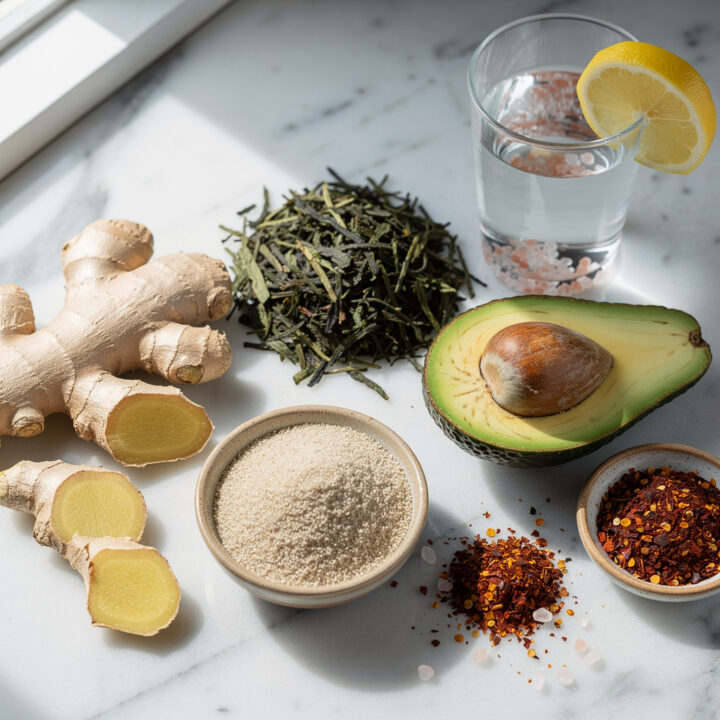
Well-Researched Supplements: Garcinia Cambogia (HCA), Glucomannan, Green Tea Extract, Capsaicin
Supplements can add extra support as natural appetite suppressant supplements, but knowing their mechanism and safe dosage is key.
Garcinia Cambogia delivers hydroxycitric acid (HCA), a compound thought to block fat synthesis and boost serotonin, which may help control emotional eating. Evidence is mixed, so it works best paired with mind-body habits.
Glucomannan is a viscous fiber supplement derived from konjac root, expanding in the stomach to promote fullness. It slows digestion like dietary fiber but requires careful hydration to avoid digestive upset. Typical effective doses are 1-4 grams per day, taken before meals.
Green Tea Extract contains catechins and caffeine, which subtly increase metabolism and may reduce hunger hormones. It's a safe appetite suppressant supplement when taken within recommended daily limits.
Capsaicin, the spicy component in chili peppers, raises body temperature and metabolism while decreasing ghrelin. Including spicy foods naturally can be a gentle aid in curbing appetite.
Spices and Phytochemicals: The Role of Capsaicin and Ginger
Beyond heat, spices like capsicum and ginger have phytochemicals that support natural appetite control by speeding metabolism and improving digestion. Ginger, in particular, calms nausea and supports gut health, which indirectly contributes to better hunger signals.
Using fresh or dried spices, sprinkled with a touch of pink Himalayan salt, makes meals flavorful and satisfying without extra calories. This flavor strategy aligns perfectly with the "try smarter, not stricter" philosophy.
Comparative Table: Appetite Suppressants, Mechanism, Efficacy, Dosage
| Appetite Suppressant | Mechanism | Evidence Strength | Typical Dosage | Safety Notes |
|---|---|---|---|---|
| Psyllium Husk (fiber) | Slows gastric emptying, boosts satiety | High | 5–10 g/day | Drink plenty of water; may cause bloating |
| Protein (lean meats, legumes) | Increases fullness hormones, thermogenesis | High | 20–30 g/meal | Safe; balanced intake advised |
| Garcinia Cambogia (HCA) | Blocks fat production, may reduce appetite | Moderate | 500–1000 mg before meals | Avoid if pregnant or on certain meds |
| Glucomannan | Expands in stomach, slows digestion | High | 1–4 g/day before meals | Must consume with water; monitor digestion |
| Green Tea Extract | Boosts metabolism, suppresses ghrelin | Moderate | 250–500 mg/day | Watch caffeine sensitivity |
| Capsaicin | Raises metabolism, lowers hunger signals | Moderate | 2–6 mg capsaicin | Can cause digestive discomfort if too spicy |
How to Incorporate Appetite Suppressants into Your Daily Routine
A Sample Day of Appetite-Suppressing Meals and Snacks
Here's a simple day where fiber, protein, healthy fats, spices, and supplements team up naturally:
- Breakfast: Steel-cut oats cooked with cinnamon and chopped walnuts, topped with Greek yogurt and a pinch of pink Himalayan salt to bring all flavors to life.
- Mid-Morning Snack: Apple slices with 1 tablespoon almond butter and a sprinkle of chia seeds.
- Lunch: Lentil and quinoa salad with diced avocado, fresh ginger dressing, and a side of steamed broccoli.
- Pre-dinner: A cup of green tea with a capsule of glucomannan (following hydration advice).
- Dinner: Grilled chicken with a chili-lime rub (capsaicin-rich), sautéed spinach, and roasted sweet potatoes with a pinch of pink salt.
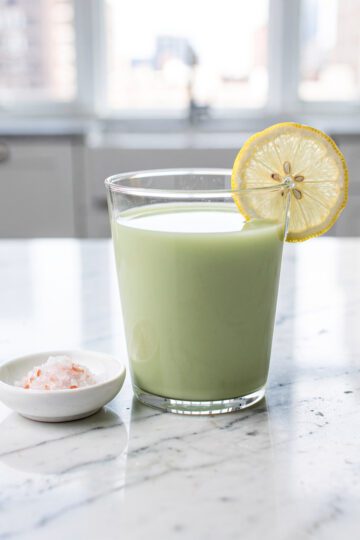
- Evening: A small glass of water mixed with lemon and a dash of Himalayan pink salt to support hydration and fullness before bedtime. Try this Pink Salt Lemon Detox Drink for a refreshing option.
Timing and Dosage for Supplements and Foods
- Supplements like glucomannan and Garcinia Cambogia work best taken 30 minutes before meals, ideally with plenty of water to aid digestion and absorption.
- Protein and fiber should be present in each meal to maintain steady fullness and steady blood sugar.
- Spices can be sprinkled throughout the day for additional metabolism support.
- Hydrating with mineral-rich drinks such as the Himalayan Pink Salt Weight Loss Drink Recipe before meals helps reduce hunger signals naturally.
Combining Suppressants Safely for Optimal Results
Combining supplements and foods for appetite control requires attention to dosage and personal tolerance. For example, don't double up on fiber supplements without increasing fluid intake, and watch caffeine levels if using green tea extract.
A balanced approach includes moderate doses, food-first strategies, and gradual introduction to avoid side effects. Think of natural appetite suppressant supplements as little nudges-supporting habits, not replacing them.
Lifestyle Strategies That Regulate Hunger Naturally
Importance of Hydration and Water Before Meals
Drinking water before eating fills up your stomach partially, helping signal fullness hormones and preventing overeating. Mineral waters with trace pink Himalayan salt add electrolytes, supporting digestion and energy.
Try a glass of water 20 minutes before meals or a sip of the pink salt infusion from the Pink Himalayan Salt Fasting Drinks page during fasting windows to curb appetite naturally.
Sleep Hygiene: How Rest Impacts Hunger Hormones
Poor sleep disrupts leptin and ghrelin balance, often leading to increased hunger and cravings, especially for high-calorie carbs. Prioritizing 7-8 hours of restful sleep helps keep natural appetite control on track.
Simple rituals like a cool, dark room, limiting screen time before bed, and a lightly salted hydration drink such as the Pink Salt Reset Day recipe can support hormone balance and reduce nighttime hunger.
Stress Management Techniques to Lower Emotional Eating
Stress floods your body with cortisol, which can ramp up appetite and cravings for comfort foods. Natural appetite suppressants work best when paired with mindful stress reduction practices: deep breathing, journaling, gentle yoga, or a quiet moment with your favorite herbal tea.
These small rituals stabilize your hormones and make it easier to recognize real hunger vs. emotional cues.
Mindful Eating: Practical Exercises to Tune into Real Hunger
Tuning into your body's cues is a key natural appetite control supplement. Slow down meals, chew thoroughly, savor each bite, and notice feelings of early fullness. This practice helps reset eating patterns and reduces tendency to overeat.
Try pausing halfway through your meal for a deep breath-ask yourself, "Am I still hungry, or am I eating out of habit?" Incorporate mindful pauses throughout the day to strengthen awareness.
Exercise and Its Variable Effects on Appetite
Exercise can temporarily suppress appetite by influencing hormones like PYY and GLP-1, but it varies person to person. Gentle movement like walking or yoga supports digestion and mood.
High-intensity training sometimes spikes appetite later, so balance is key. Choose activities you enjoy and listen to how your body responds to regulate hunger naturally.
One widely recognized approach is the Dr Oz pink gelatin recipe, which uses gelatin's unique amino acids for natural appetite regulation.
Safety, Side Effects, and Who Should Avoid Certain Suppressants
Common Side Effects of Popular Supplements and High-Fiber Diets
Introducing fiber supplements too quickly can cause bloating, gas, or constipation, so start with small amounts and increase water intake accordingly.
Garcinia Cambogia may cause mild digestive upset or headaches in some people; green tea extract has caffeine which can lead to jitteriness or sleep disruption.
Start low and observe your response before adjusting doses of natural appetite suppressant supplements.
Contraindications: Pregnancy, Medications, and Health Conditions
Certain appetite suppressants should be avoided during pregnancy, breastfeeding, or if you take medications that may interact, such as blood thinners or diabetes drugs.
Always check with your healthcare provider before starting supplements like Garcinia Cambogia or glucomannan to keep appetite regulation safe and effective. For a gentler starting point, many people explore natural Mounjaro alternatives before committing to stronger compounds.
How to Start Slowly and Monitor Your Response
A gradual introduction allows you to find the sweet spot between benefit and comfort. Track your hunger patterns, energy, and any side effects in a journal to fine-tune your routine.
This mindful approach helps you avoid supplement overload, sticking to what your body responds to best with real-world results.
Variations: Tailoring Natural Suppressants to Individual Needs
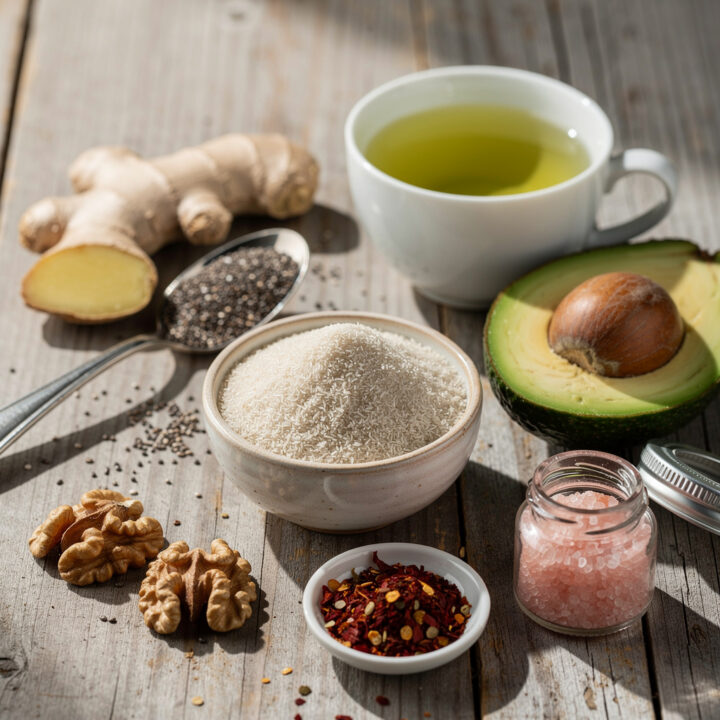
Strategies for Emotional vs. Physiological Hunger
Emotional hunger often feels sudden or linked to moods, whereas physiological hunger grows gradually and is satisfied with balanced nutrition.
Natural appetite suppressant foods combined with mindful habits help reduce emotional eating by improving mood regulation and calming cravings. Supplements like Garcinia Cambogia have mild mood-boosting effects but always work best paired with emotional awareness tools.
Adjusting Intake for Different Meal Patterns (Intermittent Fasting vs. Regular Meals)
If you follow intermittent fasting, natural appetite inhibitors paired with mineral-rich hydration drinks-like those on the Pink Himalayan Salt Fasting Drinks page-can ease hunger during fasting windows.
For regular meals, spacing fiber and protein evenly ensures satiety throughout the day. Adapt timing of supplements like glucomannan to pre-meal dosing based on your traditional or fasting pattern.
Vegan, Gluten-Free, and Other Dietary Considerations
All the natural appetite suppressant foods listed have vegan and gluten-free options: chia and flax seeds, legumes, nuts, oats, and spices all fit well in allergen-conscious diets.
Lean protein substitutes from tofu, tempeh, or seitan work nicely as alternatives. Adjust recipes to fit taste and tolerance, and use pink Himalayan salt sparingly for flavor and mineral support regardless of diet.
Storage, Preparation, and the Science of Freshness
How Ingredient Quality Impacts Efficacy (e.g., Fresh Spices vs. Processed)
Fresh spices like dried chili flakes or ground ginger have higher concentrations of beneficial phytochemicals than stale or heavily processed versions.
Using freshly ground pepper and adding spices after cooking preserves volatile compounds, maximizing their appetite-suppressing potential.
Best Storage Practices for Seeds, Fibers, and Herbal Supplements
Keep seeds and fiber supplements like psyllium husk in airtight containers, away from heat and light to prevent rancidity.
Herbal supplements should be stored in cool, dark places to maintain potency. Buying smaller quantities in rotation ensures freshness and better efficacy.
The Effect of Cooking and Processing on Appetite-Suppressing Properties
Some heat-sensitive compounds in spices and green tea degrade with prolonged cooking, so incorporating spices near the end of cooking or adding green tea as a brewed drink preserves benefits.
Fiber content can also be altered by over-processing foods; choosing minimally processed whole grains and raw seeds retains fullness-promoting power.
Conclusion
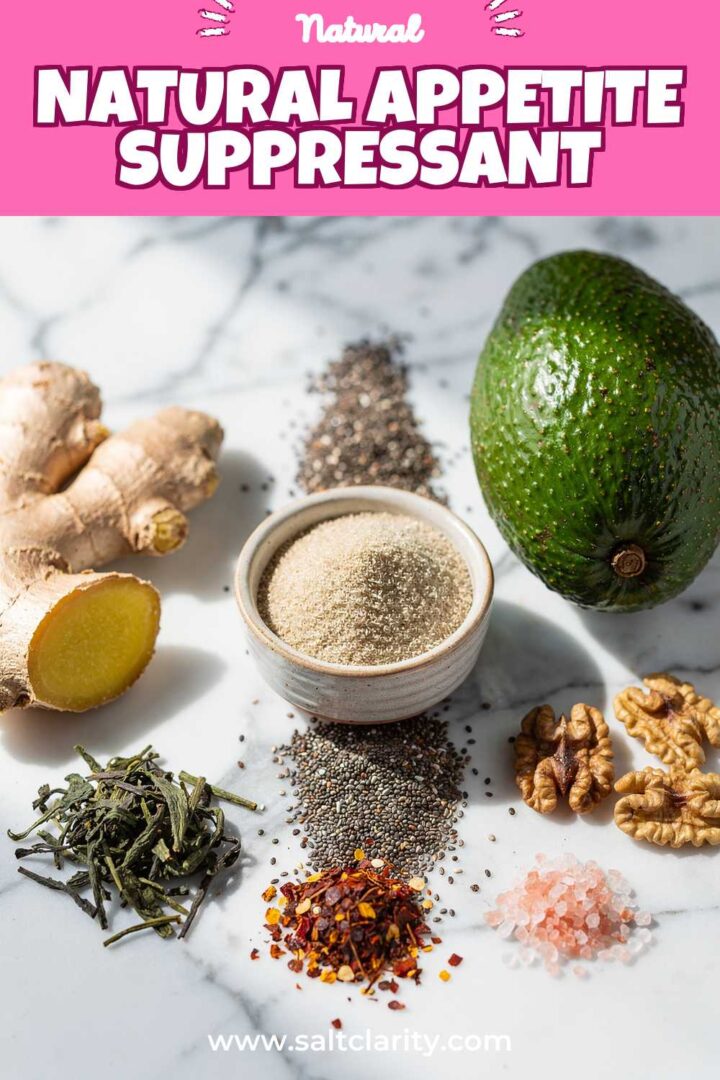
Natural appetite suppressant foods, supplements, and smart lifestyle choices can help you curb cravings and support healthy weight management, without battlefields or deprivation. Remember, tiny pink-salt pinches bring big flavor, and balancing meals with fiber, protein, and fats makes fullness your new normal.
Starting slowly, tuning into your body, and pairing natural suppressants with hydration, sleep, stress reduction, and mindful eating creates a sustainable appetite control system that actually feels joyful and doable.
Let me know how this guide shaped your hunger habits in the comments! Don't forget to tag @SaltClarity on Pinterest if you recreate any recipes or try the suggested drinks like the Himalayan Pink Salt Fat Burning Recipe or the ACV Pink Himalayan Salt Detox Shot Recipe for a vibrant start.
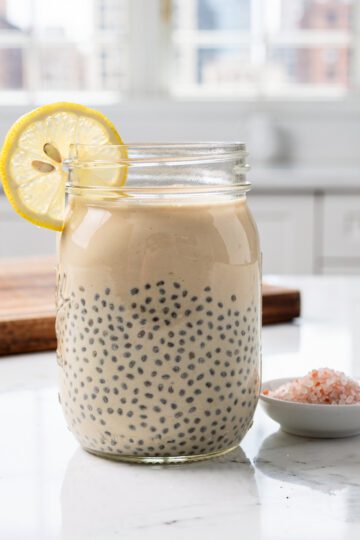
For more on hydration and hunger control, dive into the Pink Salt Reset Day guide or try the deliciously simple Pink Salt Lemon Detox Lemonade to complement your natural appetite suppressant journey. For a fiber-based pre-meal option, the Oat Trick for Weight Loss Recipe delivers beta-glucan in a 3-minute drink that physically slows gastric emptying before your largest meal.
FAQs about natural appetite suppressant
Several natural options can help curb appetite. Fiber-rich foods, like fruits, vegetables, and whole grains, promote satiety. Green tea extract and caffeine may also reduce hunger, but their effects can vary.
Foods high in fiber and protein can contribute to weight loss by increasing feelings of fullness and reducing overall calorie intake. Examples include apples, almonds, eggs, and lean meats. Drinking plenty of water can also help.
You can naturally suppress your appetite by incorporating fiber-rich foods, like fruits, vegetables, and legumes, into your diet. Consuming protein-rich foods and drinking plenty of water throughout the day can also help you feel fuller for longer. Practicing mindful eating can also make a difference.
Water is a great natural appetite suppressant, especially when consumed before meals. Green tea and black coffee (without added sugar or cream) can also reduce hunger due to their caffeine content.
While lemon itself isn't a direct appetite suppressant, drinking lemon water can help promote feelings of fullness. Staying hydrated is a key factor in appetite control, and the refreshing taste can be a helpful alternative to sugary drinks.
Glucomannan, a type of fiber, is often used as a supplement to help suppress appetite by promoting feelings of fullness. Green tea extract and conjugated linoleic acid (CLA) are also marketed as appetite suppressants, but their effectiveness may vary, and you should always consult with your doctor before starting any new supplements.
💬 Let's Stay Connected!
For daily recipes, kitchen tips, and exclusive content, follow me on:
👉 Facebook for behind-the-scenes & community fun
👉 Pinterest for visual inspiration & meal ideas
👉 X (Twitter) for quick tips & trending recipes
📲 Join the flavor journey, your next favorite recipe is just a follow away!


Leave a Reply