
Introduction
You don't need a pantry full of obscure superfoods to eat well. The real secret to delicious healthy recipes for weight loss is mastering a few simple techniques, like roasting vegetables to caramelized perfection or building a bright, herbaceous sauce without any oil.
Picture this: a steamy Queens kitchen, the irresistible scent of garlic sizzling in a cast-iron pan. My grandma always said, "Listen for the sizzle, that's when the magic happens." This simple moment reminds me that healthy meals don't have to be complicated or bland. They can be satisfying, soul-soothing, and supportive of your weight loss goals. The key is balancing nutrition and flavor in a way that keeps you full, nourished, and joyful at the table.
This guide dives into healthy recipes for weight loss that focus on smartly pairing protein, fiber, and portion control for real satiety. I'll walk you through the science that makes these meals work, share easy meal frameworks, and provide recipes that feel approachable in a regular kitchen with regular time. Whether you're batch cooking for a busy week or just craving a tasty dinner that supports your goals, consider this your culinary blueprint. Flavor-first, with tiny pink-salt pinches for big results.
Jump to:
- Introduction
- Understanding the Science Behind Weight Loss Recipes
- Building Your Weight Loss Meal Framework
- 7-Day Sample Meal Plan for Effective Weight Loss
- Breakfast Recipes That Fuel Fat Burning
- Lunch Recipes to Keep You Full and Focused
- Dinner Recipes That Maximize Nutrition and Flavor
- Healthy Snacks and Smart Swaps
- Staying on Track: Behavioral & Lifestyle Strategies
- Conclusion
- FAQs about healthy recipes for weight loss
Understanding the Science Behind Weight Loss Recipes
How Calories and Macronutrients Impact Fat Loss
At the heart of any effective weight loss strategy is the calorie deficit. Consuming fewer calories than your body burns. But it's not just a numbers game. The quality of those calories matters because how your body processes macronutrients, protein, fats, and carbohydrates, affects hunger, energy, and metabolism.
Protein is king when it comes to fat burning. It not only supports lean muscle, which burns more calories at rest, but also requires more energy to digest (called the thermic effect of food). Carbs, especially complex carbs (whole grains like quinoa or brown rice), provide steady glucose for energy without blood sugar spikes that can trigger cravings. Healthy fats from sources like avocado or nuts help with hormone regulation and keep meals satisfying.
Understanding this trio in your meals helps you avoid the rollercoaster of hunger and overeating, making weight reducing recipes more effective and enjoyable, a principle taken even further by the natural Mounjaro recipe, which targets appetite regulation through the same hormonal pathways.
The Role of Protein and Fiber in Satiety and Metabolism
Here's a little kitchen science that's pure gold: pairing protein with fiber sends hormonal signals to keep you full longer. Protein triggers peptide YY, a gut hormone that tells your brain, "You've had enough." Fiber slows gastric emptying, meaning food stays in your stomach longer, stretching the wall and reinforcing that "I'm full" feeling.
This combination lowers the likelihood of reaching for snacks between meals and helps stabilize blood sugar - both essential for those on a journey of weight loss. High-fiber vegetables and legumes, plus lean protein sources, create meals that tick all the boxes: nutrition, fullness, and flavor.
Importance of Portion Control and Balanced Plates
Even the best healthy meals for weight loss can trip you up if portions run too large. Portion control isn't about starvation, it's a way to tune into hunger cues and manage energy balance.
A practical approach is the Harvard Healthy Eating Plate, which guides roughly:
- Half your plate with veggies and fruits
- One quarter with protein
- One quarter with whole grains or complex carbs
- A drizzle of healthy fat
Visual cues like your hand can help: a palm-sized portion of protein, fist-sized for veggies, cupped hand for carbs, and a thumb for fats. These simple frameworks ensure you're not just eating less, but eating smarter.
Building Your Weight Loss Meal Framework
The Perfect Plate Template: Protein, Veggies, Healthy Fat, Complex Carbs
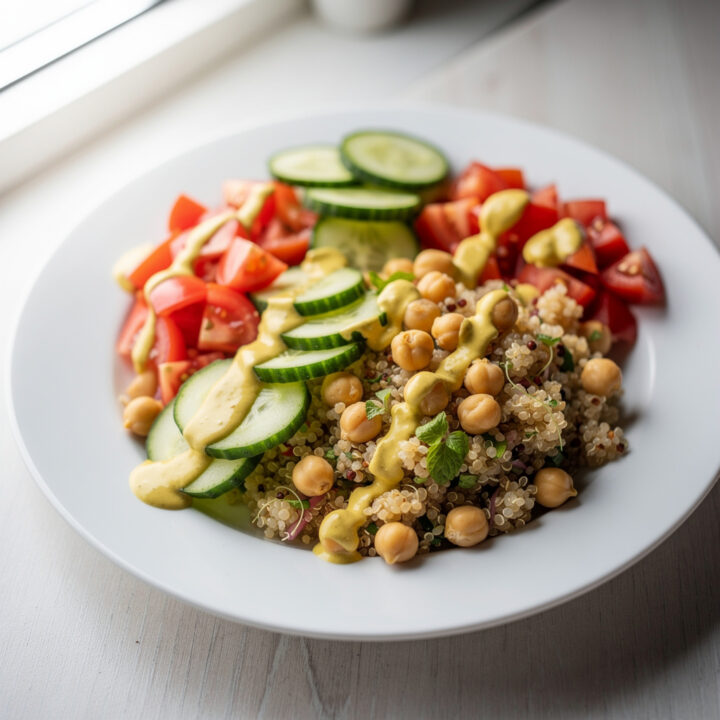
Crafting meals with a clear structure makes weight loss recipes repeatable and stress-free. Think of your plate as a canvas with four main zones:
- Protein fuels repair and fullness: grilled chicken, tofu, fish, or legumes
- Veggies add fiber, vitamins, and bulk without many calories
- Healthy fats like olive oil, nuts, or avocado create creaminess and nutrient absorption
- Complex carbs such as brown rice, quinoa, or sweet potatoes provide lasting energy
This template lets you mix and match ingredients based on preferences and availability, making healthy recipes for weight loss both flexible and delicious.
Portion Sizing Made Simple
Portion sizing is easier than it sounds once you trust your senses. Use your hand as a measuring tool:
- Protein = palm-sized
- Veggies = fist-sized
- Carbs = cupped-hand sized
- Fats = thumb-sized
This method keeps you aligned with calorie targets without clutching a calculator. Remember, balance is key, and each meal should leave you pleasantly full, not stuffed.
Mindful Eating Strategies to Prevent Overeating
Mindful eating is about tuning into your body's hunger and fullness signals amidst a busy day. Slow down, chew thoroughly, and notice flavors and textures. Reconnect with your food and savor those tiny pink-salt pinches, this heightens satisfaction and reduces the urge to snack mindlessly.
Also, drinking water before meals can prevent confusing thirst with hunger. Small shifts like eating without screens and pausing mid-meal to check if you're full can transform how you eat. These habits make healthy meal ideas for weight loss feel less like discipline and more like self-care.
7-Day Sample Meal Plan for Effective Weight Loss
Printable Grocery Shopping List for the Week
Here's a simple list to stock your kitchen for the week's healthy meals to lose weight:
- Proteins: chicken breast, firm tofu, canned chickpeas, lentils, salmon. Try our roasted vegetables with pink salt as the perfect side dish for any of these proteins.
- Vegetables: spinach, broccoli, asparagus, tomatoes, bell peppers, onions
- Fruits: lemons, berries
- Complex carbs: quinoa, brown rice, oats, spaghetti squash
- Healthy fats: olive oil, avocado, almonds, tahini
- Pantry staples: garlic, ginger, cumin, paprika, vinegar, pink Himalayan salt
This list supports fresh, nutrient-dense meals designed for satisfaction and fat burning.
Batch Cooking and Meal Prep Tips to Save Time
Batch cooking is worth its weight in gold for busy weeks. Roast a tray of mixed veggies, grill proteins, and cook grains in big batches. Store in airtight containers, portioned for quick reheating.
Keep your pink Himalayan salt and acidic dressings handy to revive flavors with a fresh squeeze of lemon or sprinkle of herbs during reheats. For recipes like lentil soup or quinoa salad, freeze leftovers in individual portions to avoid waste.
Investing an hour or two once a week saves you from scrambling and makes sticking with healthy meal prep recipes for weight loss completely doable.
Breakfast Recipes That Fuel Fat Burning
High-Protein Veggie Omelet
Start your day with a comforting veggie-packed omelet. Use two eggs (or egg whites if preferred), spinach, diced tomatoes, and a sprinkle of feta or nutritional yeast for creaminess.
Protein and Fiber Pairing Tip: The eggs provide protein that sparks fullness hormones, while the veggies supply fiber that slows digestion, keeping hunger at bay for hours.
Flavor Hack: Add a pinch of pink Himalayan salt after cooking to avoid drying out the eggs but boost natural flavors. A splash of hot sauce or sliced avocado adds crunch + cream + zip in every bite.
Make-Ahead Note: Whip up omelet muffins in muffin tins for grab-and-go convenience. Refrigerate for up to 3 days and reheat in the microwave or toaster oven.
Adaptability: Swap eggs for chickpea flour batter to go vegan-friendly.
Overnight Oats with Fiber Boost
Overnight oats are a no-fuss fiber-rich breakfast. Mix rolled oats with unsweetened almond milk, chia seeds, and a scoop of protein powder. Top with berries and nuts.
Why This Works: Oats deliver complex carbs plus soluble fiber that slows sugar absorption, while chia seeds thicken the mixture for slow satiety. Protein powder rounds out the macros, making it a perfect weight loss recipe.
Flavor Hack: Stir in cinnamon and a hint of vanilla for warmth without added sugar.
Make-Ahead Note: Prepare up to 3 days ahead in mason jars. Add fresh toppings just before eating.
Adaptability: Swap almond milk for dairy milk or soy milk. Use plant-based protein for vegan version.
Green Smoothie Bowl with Healthy Fats
Blend kale or spinach with frozen avocado, Greek yogurt, a scoop of protein powder, and a squeeze of lemon juice. Pour into a bowl and top with sliced almonds, hemp seeds, and fresh berries for texture.
Protein and Fiber Pairing Tip: Greek yogurt brings creamy protein, while fibrous greens and seeds increase fullness and prevent energy crashes.
Flavor Hack: Lemon juice brightens the flavor and balances the rich avocado, while tiny pink-salt pinches enhance the overall taste without extra sodium.
Make-Ahead Note: Prepare smoothie base in advance and freeze in portions. Top with crunchy elements fresh to keep bite contrast.
Adaptability: Swap Greek yogurt for coconut yogurt and protein powder for pea protein for dairy-free needs.
Lunch Recipes to Keep You Full and Focused
Quinoa & Chickpea Salad with Lemon-Tahini Dressing
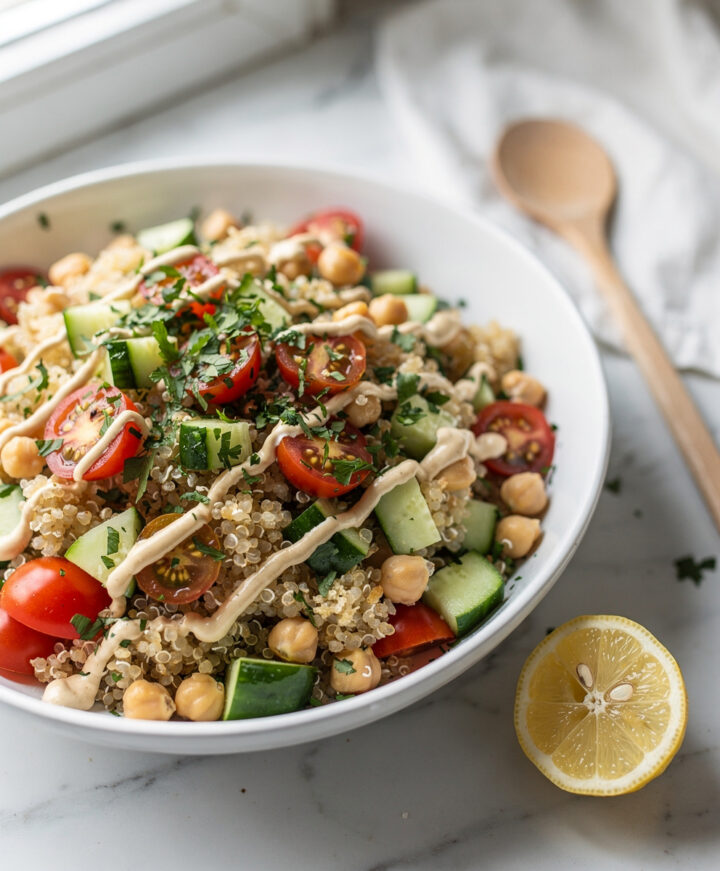
This salad sings with protein and fiber. Combine cooked quinoa, chickpeas, cucumbers, cherry tomatoes, and fresh parsley. Drizzle with a lemon-tahini dressing.
Why This Supports Weight Loss: Quinoa and chickpeas provide slow-digesting carbs and protein that trigger fullness signals. Fiber-rich veggies add bulk without calories.
Flavor Hack: Tart lemon juice plus tahini's nuttiness create zip and cream that lets you skip heavy dressings but not flavor. A pinch of pink Himalayan salt balances the tang.
Make-Ahead Note: Prepare the salad and dressing separately; mix before serving to keep greens crisp. Salad will keep chilled for up to 4 days.
Adaptability: Swap chickpeas for black beans or grilled chicken for extra protein punch.
Grilled Chicken and Roasted Veggie Bowl
Grill seasoned chicken breast alongside roasted bell peppers, zucchini, and asparagus. Serve over a bed of brown rice with a drizzle of herb vinaigrette.
Protein and Fiber Pairing Tip: Chicken provides lean protein, and roasted veggies plus brown rice slow down digestion, helping to maintain steady energy levels.
Flavor Hack: Use fresh garlic and fresh herbs like rosemary or thyme in the marinade. Finish with tiny pink-salt pinches right before plating for brightness.
Make-Ahead Note: Grill and roast in bulk. Assemble bowls quickly before meals. Store chicken and veggies separately for freshness.
Adaptability: Swap chicken for tofu or tempeh. Use cauliflower rice for lower carb intake.
Lentil Soup with Spinach and Herbs
Hearty lentil soup is a classic weight reducing recipe. Cook lentils with onions, garlic, carrots, celery, and vegetable broth. Stir in fresh spinach and herbs at the end.
Why Lentils Rock: Lentils are loaded with protein and fiber, which slow digestion and keep you full longer. The broth adds hydration and comfort without excess calories.
Flavor Hack: A splash of apple cider vinegar or lemon juice at the end brightens flavors without sodium. Season with your pink salt micro-seasoning for just enough salt.
Make-Ahead Note: Soup tastes better the next day. Store portions in the fridge for up to 5 days, or freeze individual servings.
Adaptability: Use red or green lentils based on preference. Add a spoon of plain yogurt or coconut cream for creaminess.
Dinner Recipes That Maximize Nutrition and Flavor
Baked Salmon with Asparagus and Brown Rice
Oven-baked salmon seasoned simply with lemon, garlic, and dill pairs with roasted asparagus and a side of fluffy brown rice.
Protein and Fiber Pairing Tip: Salmon's rich protein and omega-3 fats help boost metabolism and fullness, while the fibrous asparagus and complex carbs in brown rice provide slow-burning fuel.
Flavor Hack: Before baking, rub the salmon with a sprinkle of pink Himalayan salt and cracked pepper. A squeeze of lemon after baking adds zip and refreshes the palate.
Make-Ahead Note: Bake salmon just before serving for best texture; brown rice and asparagus can be batch-cooked and reheated.
Adaptability: Swap salmon for cod or tempeh steaks for vegetarian options.
Stir-Fry Tofu and Broccoli with Garlic Sauce
Sauté tofu cubes and broccoli in a light garlic-ginger soy sauce, with a dash of rice vinegar and chili flakes.
Why This Works: Tofu offers a plant-based protein punch, paired with high-fiber broccoli that keeps you full and nourished without extra calories.
Flavor Hack: Use fresh garlic and ginger for depth. Rice vinegar adds acidity that brightens flavor in place of salt-heavy sauces, enhanced by a final pink salt pinch.
Make-Ahead Note: Tofu can be pressed and marinated ahead. Stir-fry quickly before serving; leftovers reheat well.
Adaptability: Swap tofu for chicken or tempeh. Use tamari or coconut aminos for gluten-free option.
One-Pan Spaghetti Squash & Turkey Meatballs
Roast spaghetti squash halves alongside turkey meatballs cooked in a homemade tomato sauce with herbs.
Protein and Fiber Pairing Tip: Turkey is lean and filling, while spaghetti squash offers a satisfying fibrous base that won't spike blood sugar.
Flavor Hack: Add fresh basil and oregano to sauce. Use tiny pink salt pinches through seasoning to highlight natural flavors without oversalting.
Make-Ahead Note: Turkey meatballs freeze beautifully; make a batch on the weekend and thaw as needed. Spaghetti squash reheats well without losing texture.
Adaptability: Swap turkey for beef or lentil-based vegan balls for plant-based meals.
Healthy Snacks and Smart Swaps
Protein-Packed Energy Bites
Mix rolled oats, nut butter, chia seeds, protein powder, and a touch of honey to form no-bake energy balls perfect for snack time.
Why These Snack: Protein and fiber combo keeps you full between meals and wards off sugar cravings.
Make-Ahead Note: Store in airtight containers in the fridge for up to a week or freeze for longer storage.
Veggie Sticks with Hummus Alternatives
Fresh cucumber, bell pepper, and carrot sticks paired with guacamole, baba ganoush, or homemade tzatziki offer crunch + cream + zip.
Healthier swaps like these replace calorie-dense chips or creamy sauces that pack hidden fats and sugars.
Simple Swaps to Cut Hidden Calories
- Swap white bread for whole-grain or sprouted grain
- Replace sugary salad dressings with lemon juice and tiny pink salt pinches
- Use spiralized veggies in place of pasta for low-carb healthy recipes for weight loss
Subtle changes like these trim calories without losing flavor or satisfaction.
Staying on Track: Behavioral & Lifestyle Strategies
Managing Cravings and Emotional Eating
Cravings often stem from emotional needs rather than real hunger. When the urge hits, try a glass of water or a walk, then revisit hunger cues after a pause.
Social support and non-food rewards can defuse emotional eating patterns. Also, incorporating small treats within weight loss recipes helps you avoid feeling deprived and rebound overindulgence.
Hydration and Sleep's Role in Weight Loss
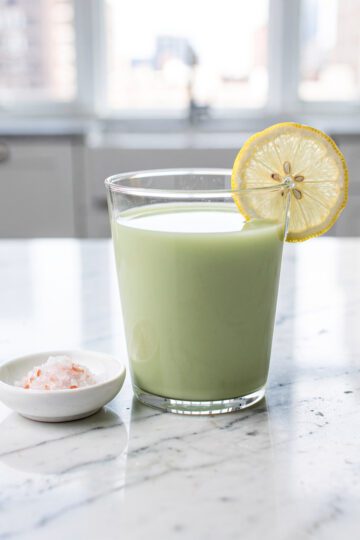
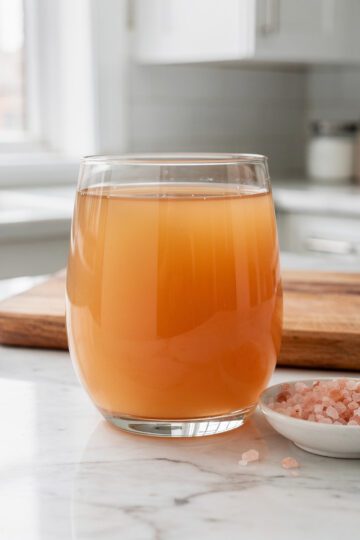
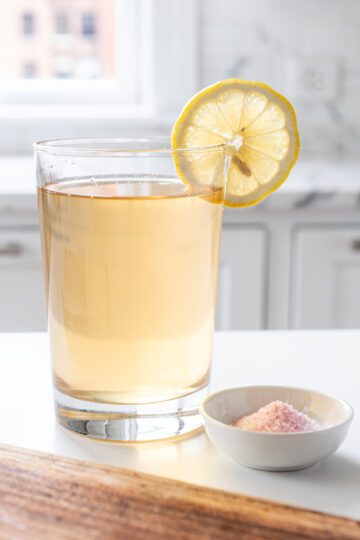
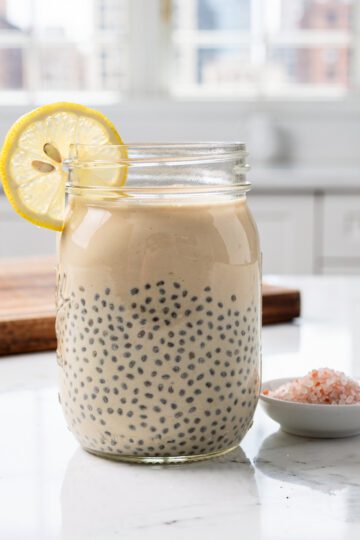
Adequate hydration supports metabolism and helps distinguish thirst from hunger. Add a pinch of pink Himalayan salt in water for mineral balance and improved hydration. For a simple, effective beverage, you can try a Himalayan pink salt weight loss drink to support your metabolism.
Quality sleep is another pillar, poor sleep disrupts hunger hormones, increasing cravings. Prioritize rest as a crucial part of your weight loss recipe.
Read more on hydration and pink salt drinks that support metabolism in the Himalayan Pink Salt Weight Loss Drink Recipe.
Sustainable Habits for Lasting Success
Small wins add up. Build routines around batch cooking, mindful eating, and choosing recipes that you look forward to. Don't chase perfection; try smarter, not stricter. Understanding the broader principles, like those discussed in our guide on Himalayan pink salt for weight loss, can help you build a sustainable foundation.
Use strategic pink salt micro-seasoning to boost flavor without sodium overload, keeping meals heart-healthy and vibrant. These habits make healthy meals for weight loss sustainable beyond any quick fix.
Conclusion
Weight loss is not just about eating less but eating right, balancing protein, fiber, healthy fats, and portions in meals that satisfy and nourish. With these healthy recipes for weight loss and smart strategies, you're set to enjoy your food and your progress.
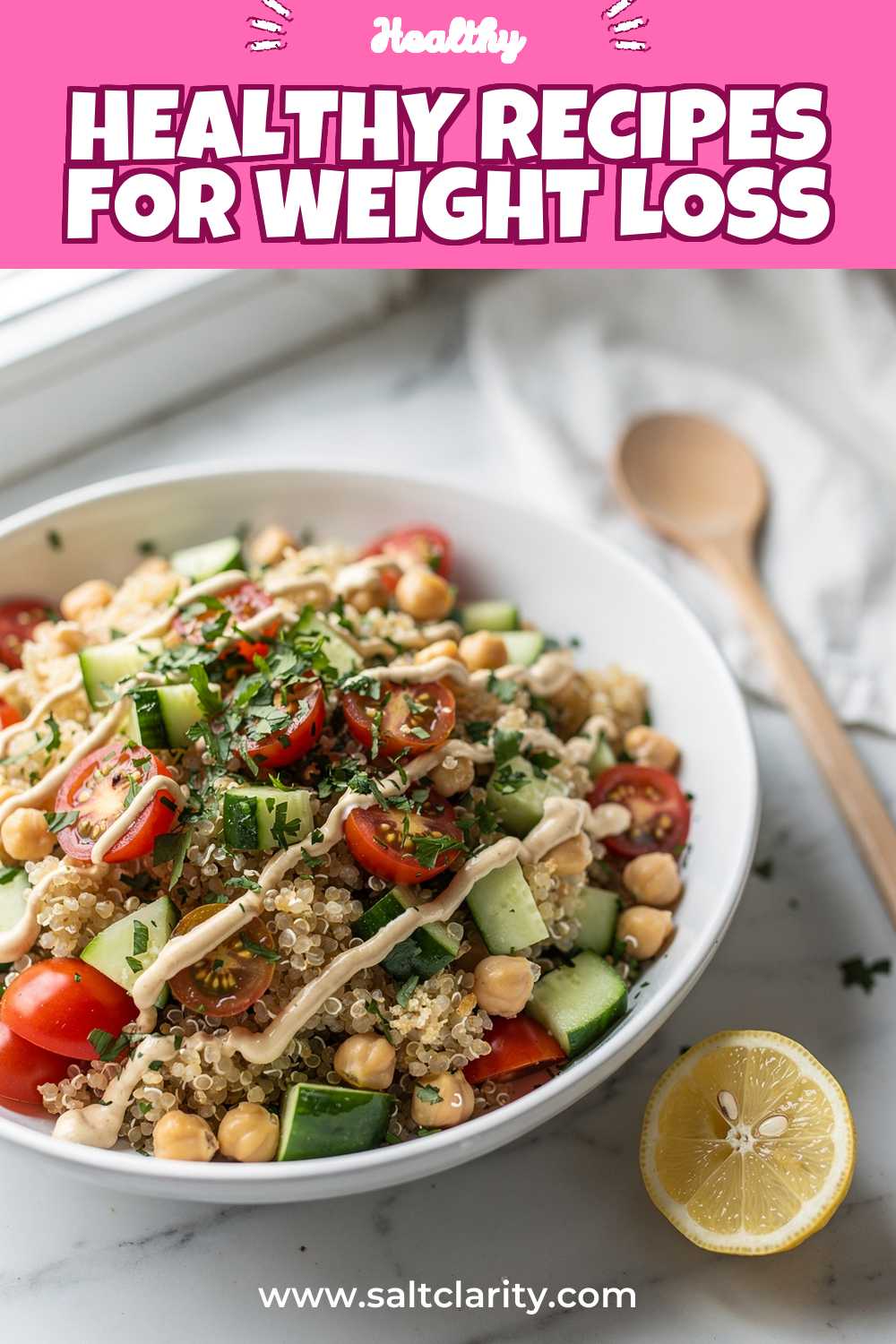
Remember, every kitchen is a place for creativity and comfort. Whether you batch cook the quinoa and chickpea salad or whip up an omelet mornings, you're making sustainable choices that respect your time, budget, and taste buds.
Let me know how it turned out in the comments! Don't forget to tag @SaltClarity on Pinterest with your healthy meals to lose weight. Hungry for more? Check out the Pink Himalayan Salt Detox Recipe for a refreshing start or dive into 24 Hour Detox Plans to reset and refresh your journey. Keep cooking, savoring, and thriving!
For the complete landscape of food-based appetite management strategies, the guide to natural alternatives to mounjaro covers the full picture alongside this recipe.
FAQs about healthy recipes for weight loss
Good low-calorie meals include lean proteins like chicken or fish paired with vegetables. Soups, salads, and stir-fries made with minimal oil are also effective. Portion control plays a key role in keeping calories low.
There is no single best food for weight loss. Foods high in protein, fiber, and water content such as vegetables, fruits, and lean meats help increase fullness. A balanced diet is more effective than focusing on one food.
A good weight loss breakfast should include protein and fiber to keep you full. Options like eggs, oatmeal with berries, or a protein smoothie are effective. These help reduce hunger and support steady energy levels.
No food specifically burns belly fat quickly. Fat loss comes from maintaining a calorie deficit and staying active. Eating foods rich in protein, fiber, and healthy fats supports overall fat loss.
Healthy snacks include Greek yogurt with berries, nuts, boiled eggs, or fruit with nut butter. These provide protein and fiber to help control hunger. Balanced snacks prevent overeating between meals.
To lose weight, limit processed foods, sugary drinks, and refined carbohydrates. These foods can increase calorie intake and cravings. Focus instead on whole, nutrient-dense foods.
💬 Let's Stay Connected!
For daily recipes, kitchen tips, and exclusive content, follow me on:
👉 Facebook for behind-the-scenes & community fun
👉 Pinterest for visual inspiration & meal ideas
👉 X (Twitter) for quick tips & trending recipes
📲 Join the flavor journey, your next favorite recipe is just a follow away!
Leave a Reply