
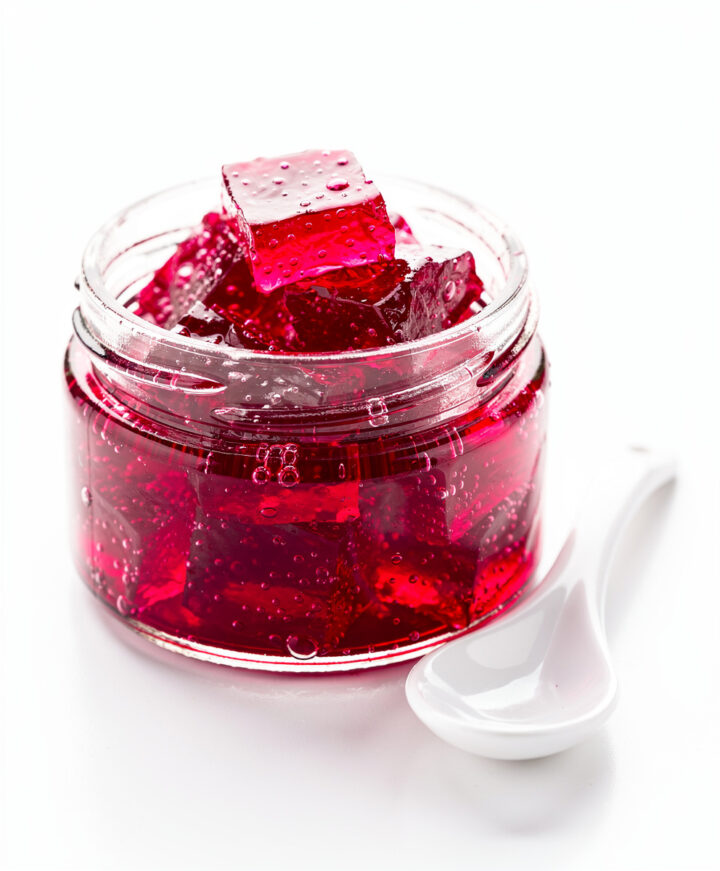
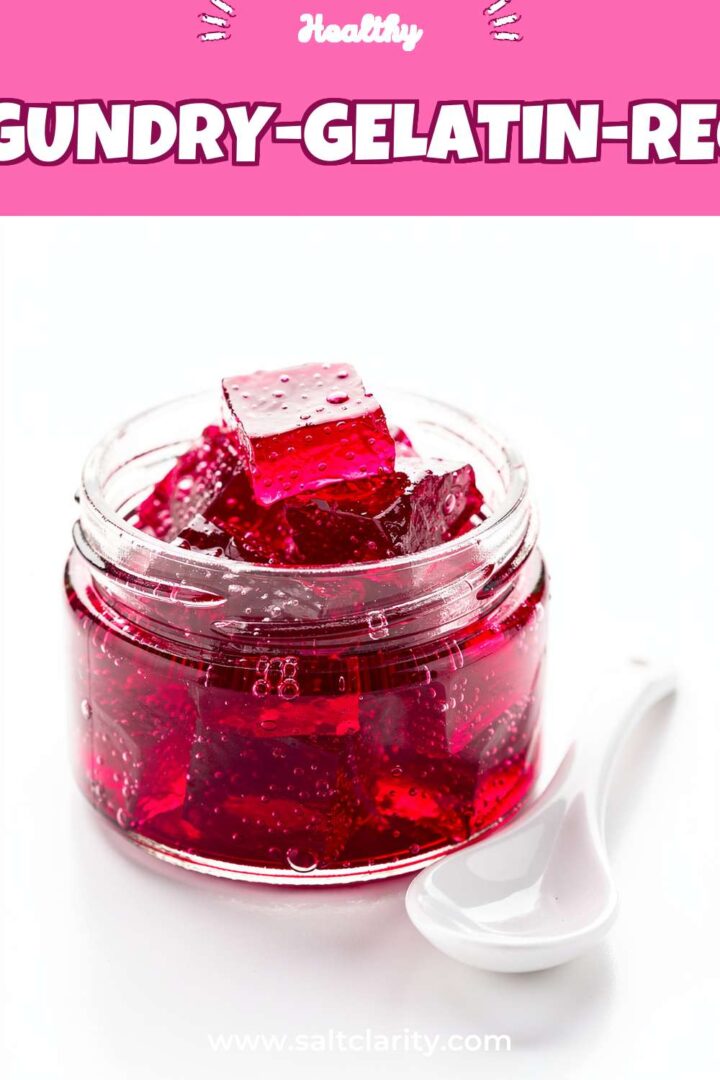
I still remember the first time I tried making this Dr Gundry Gelatin Recipe in my tiny NYC kitchen, the scent of hibiscus filling the air. The jiggle when I unmolded those first gummies felt like a tiny victory for my gut health.
Here is the thing nobody tells you: most gelatin recipes floating around the internet are quietly off-list. Fruit juice, honey, maple syrup, boxed Jell-O with Red 40. Not one of those passes Dr. Gundry's Plant Paradox standard, and if you are following his protocol for leaky gut repair, those ingredients can quietly undo the whole point of making gelatin in the first place.
This article gives you the exact compliant version. For the complete science behind why gelatin supports weight loss regardless of dietary protocol, the gelatin for weight loss guide covers the full picture.
Regular kitchen, regular time, great results. Let's get into it.
Jump to:
- Why Dr. Gundry Recommends Gelatin in a Plant Paradox Kitchen (And It Is Not Just for Joints)
- Gelatin vs. Collagen Peptides: The One Rule You Actually Need
- Lectin-Free Ingredient Swaps Before You Start
- The Base Dr. Gundry Gelatin Recipe: The Foundational Method
- Dr Gundry Gelatin Recipe
- Why a Pinch of Pink Himalayan Salt Belongs in Every Dr. Gundry Gelatin Recipe
- Healthier Alternatives and Creative Variations
- Who Should Be Cautious With This Recipe
- Storing Tips and Leftovers
- Conclusion
- FAQs about Dr Gundry Gelatin Recipe
Why Dr. Gundry Recommends Gelatin in a Plant Paradox Kitchen (And It Is Not Just for Joints)
The phrase "gut healing" gets thrown around so loosely that it has almost lost meaning. Dr. Gundry uses it with a very specific mechanism in mind, and once you understand that mechanism, the Dr Gundry Gelatin Recipe stops feeling like a wellness trend and starts feeling like a targeted repair tool.
The Glycine and Gut Lining Connection
Gelatin is roughly 25 to 35 percent glycine by amino acid composition. That is not a coincidence. Glycine is the primary amino acid your intestinal wall uses to produce mucin, the thick gel-like layer that lines and protects your gut.
Here is the short version of the mechanism: when lectins from grains, legumes, and certain vegetables attach to the intestinal wall, they can disrupt tight junction proteins, the molecular "zippers" that keep your gut lining intact. A compromised lining lets partially digested food particles slip into the bloodstream, which Dr. Gundry calls leaky gut. Glycine from a grass-fed gelatin recipe helps stimulate mucin production and supports the structural integrity of those tight junctions, which is the repair part. Not just skin elasticity, not just joint cushioning. Actual intestinal wall support.
That is the precise reason Dr. Gundry frames this as a leaky gut repair tool and not simply a protein supplement. The distinction matters when you are shopping and when you are deciding whether gelatin is worth adding to your morning routine. If you are exploring food-based tools for natural weight management more broadly, the guide to natural Mounjaro alternatives covers the wider category this recipe sits within.
Balancing the Amino Acid Profile of Muscle Meat
Here is a concept that competitors completely miss. Muscle meat, think chicken breast, steak, ground beef, is rich in methionine. That is fine in moderate amounts. But methionine without its metabolic counterpart, glycine, creates an imbalance that ancestral diets never had to deal with.
Before industrialized food, humans ate the whole animal. Skin, tendons, cartilage, bones. All of those connective tissue parts are loaded with glycine and proline, the two dominant amino acids in gelatin. The ratio balanced itself out naturally.
Now most people eat muscle meat exclusively and wonder why their amino acid picture looks lopsided. Dr. Gundry's gelatin recommendation is partly a correction for that imbalance. One tablespoon of grass-fed gelatin powder with your morning routine is a simple, low-effort way to reintroduce what the ancestral diet did automatically.
Gelatin vs. Collagen Peptides: The One Rule You Actually Need
This is the single most common point of confusion I see in Dr. Gundry's community, and honestly, it is the one that causes the most recipe failures. So let's settle it once and for all before you buy anything. If you are interested in another doctor-inspired gelatin recipe with a similar health focus, take a look at this Dr. William Li Gelatin Recipe.
What Each One Does in the Kitchen
Gelatin gels. That is its defining functional property. When you dissolve it in hot liquid and refrigerate it, the protein strands re-form a semi-solid network. Gummies, jello-style desserts, savory aspic, coconut milk pudding. All of those require gelatin.
Collagen peptides dissolve. They are hydrolyzed, meaning the protein chains have been broken into shorter fragments that stay liquid at any temperature. They will never gel, no matter how much you use or how long you refrigerate.
One is not better than the other. They serve completely different purposes. This article is about the Dr Gundry Gelatin Recipe specifically, so we are in gelatin territory throughout.
Which Source Is Dr. Gundry-Compliant?
Not all gelatin is created equal, and this is where the Neu5Gc issue comes in.
Neu5Gc is a sugar molecule found in mammalian meat and some animal byproducts. Standard beef bone broth tends to be relatively high in Neu5Gc because bones and marrow concentrate it. Dr. Gundry has expressed concern about Neu5Gc as a potential inflammatory trigger, which is why bone broth is not his recommended gelatin source.
Grass-fed bovine gelatin derived from hide and connective tissue, not bones or marrow, has a lower Neu5Gc profile. This is the distinction that matters when you are buying a product. Look for grass-fed bovine sources specifically labeled as hide-derived or collagen-sourced.
Brands that fit the bill: Great Lakes Wellness in the green can (not the red can, which is their collagen peptides), and Bernard Jensen's unflavored gelatin. Vital Proteins makes collagen peptides, not gelling gelatin, so read labels carefully.
Marine (fish) collagen is also lectin-free and Dr. Gundry-compliant, but it does not gel. Wrong product for this application.
Lectin-Free Ingredient Swaps Before You Start
Before you grab any recipe and run with it, you need to vet your add-ins. This is where most Plant Paradox bloggers quietly go off-script.
Sweeteners That Pass the Gundry Test
The approved list is shorter than you might hope, but the options work beautifully in a lectin-free gelatin recipe.
Use these:
- Allulose (best for gummies, no gel interference, more on this below)
- Monk fruit liquid extract
- Inulin-based sweeteners in small amounts
- Yacon syrup in very small amounts
Avoid these:
- Cane sugar
- Honey
- Maple syrup
- Agave
- Most fruit juices (high fructose and off-list in volume)
Here is a piece of sweetener science that no competitor has mentioned: erythritol and xylitol, even though they appear on some "Gundry-approved" lists for other uses, can interfere with gel matrix formation at concentrations above 15 percent by weight. They either crystallize or draw water out of the gel, creating a grainy or weeping texture. Allulose does not do this. It is a monosaccharide that does not crystallize and does not disrupt the gel protein network. For gummies specifically, allulose is the superior choice. Monk fruit liquid extract is your second option, and it works well when combined with allulose for depth of sweetness. Avoid powdered erythritol blends in this application entirely.
Approved Flavorings and Liquids
Approved liquids for your lectin-free gelatin recipe:
- Filtered water (always the safe base)
- Unsweetened hibiscus tea (high polyphenols, Dr. Gundry's personal favorite category)
- Unsweetened green tea
- Small amounts of unsweetened tart cherry juice, in-season only
Flavorings:
- Fresh lemon juice (use peeled lemons; skip zest unless organic and well-washed)
- Raw unfiltered apple cider vinegar with the mother
- Alcohol-free vanilla extract
- Fresh ginger (grated or sliced for steeping)
Skip: orange juice, grape juice, canned fruit in syrup, artificial flavors, and anything with Red 40 or carrageenan.
The Base Dr. Gundry Gelatin Recipe: The Foundational Method
Now let's actually make something. This base recipe is the backbone of all three variations that follow. Master this method and the rest is just variations.
Dr Gundry Gelatin Recipe
This foundational Dr. Gundry approved gelatin recipe is a targeted tool for gut healing, using grass-fed bovine gelatin to support intestinal wall integrity with glycine. It creates a semi-solid gel base that is lectin-free and compliant with the Plant Paradox protocol, perfect for gummies or jello style desserts.
- Total Time10min plus 4h chilling
- Yield4 servings 1x
- DietDairy Free, Gluten Free, Lectin Free
Ingredients
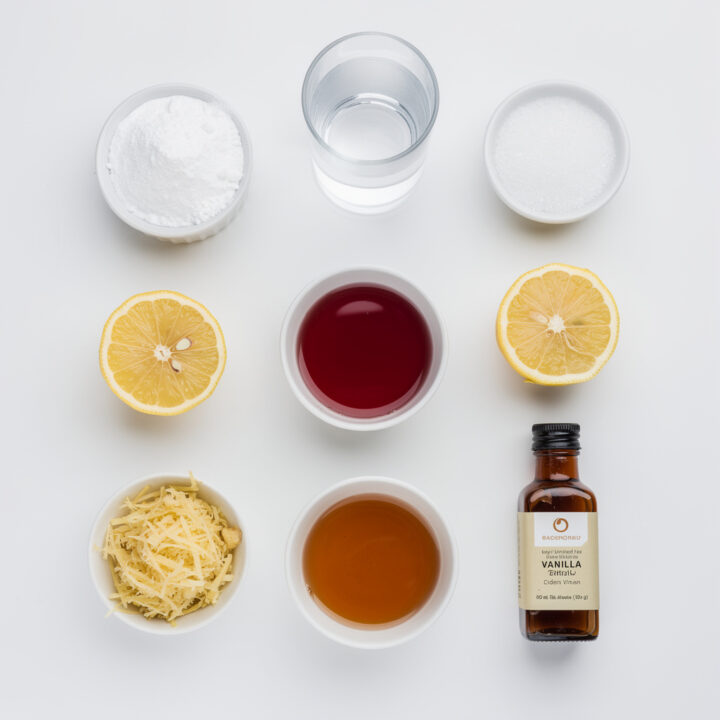
- 2 cups filtered water or unsweetened hibiscus tea
- 3 tablespoons grass-fed bovine gelatin (Great Lakes Wellness green can or Bernard Jensen unflavored)
- 1 to 2 tablespoons allulose (adjust to taste)
- 10 to 15 drops monk fruit liquid extract (optional, for sweetness depth)
- 1 tablespoon fresh lemon juice (from peeled lemon)
- 1 teaspoon raw unfiltered apple cider vinegar with the mother (optional)
Instructions
- Pour ½ cup of the filtered water or tea into a small bowl. Sprinkle the gelatin evenly over the surface. Let it sit for 5 minutes to bloom. Do not stir.
- While the gelatin blooms, heat the remaining 1 ½ cups of liquid in a small saucepan over medium heat until it is steaming but not boiling. Remove from heat.
- Once the gelatin has bloomed into a firm, spongy mass, add it to the hot liquid. Whisk gently until fully dissolved. There should be no visible granules.
- Whisk in the allulose, monk fruit extract if using, lemon juice, and apple cider vinegar if using. Stir until the sweetener dissolves completely.
- Pour the mixture into a glass baking dish, silicone mold, or individual serving cups. For gummies, pour into silicone gummy molds.
- Refrigerate for at least 4 hours or until fully set. The gel should be firm and jiggle when shaken.
- Unmold or cut into desired shapes. Store in an airtight container in the refrigerator for up to 5 days.
Notes
For best results, use gelatin that is specifically labeled as hide-derived or from connective tissue, not bones or marrow. Avoid erythritol and xylitol as they can ruin the gel texture. If using tea, steep it strong for more flavor. The apple cider vinegar adds a slight tang that complements the hibiscus.
- Prep Time: 5min
- Cook Time: 5min
- Category: Snack
- Method: No-Cook
- Cuisine: American
Nutrition
- Serving Size: 4
- Calories: 35
- Sugar: 0
- Sodium: 10
- Fat: 0
- Saturated Fat: 0
- Unsaturated Fat: 0
- Trans Fat: 0
- Carbohydrates: 2
- Fiber: 0
- Protein: 8
- Cholesterol: 0
Why a Pinch of Pink Himalayan Salt Belongs in Every Dr. Gundry Gelatin Recipe
Here is the addition that most Plant Paradox gelatin recipes skip entirely, and it is the one that makes the biggest difference to both the flavor and the function.
A quarter teaspoon of pink Himalayan salt added to your gelatin base does three things that plain gelatin cannot do on its own.
First, the mineral support. When your digestive system processes a gelatin gel, it draws fluid into the stomach to hydrate and break down the protein matrix. That internal fluid shift can create a subtle electrolyte imbalance if you are not replenishing alongside it. Pink Himalayan salt carries trace amounts of potassium, magnesium, and calcium alongside its sodium. Those four minerals work together to keep fluid balance steady at the cellular level, which means the gut-repair work the glycine is doing has a cleaner, more stable environment to operate in.
Second, the flavor balance. Unflavored grass-fed gelatin has a neutral, faintly savory, slightly protein-forward taste. Without anything to anchor it, that taste can make the drink or gummy feel medicinal. A small pinch of pink salt adds mineral depth that rounds out the flavor without competing with hibiscus, lemon, or ginger. It makes the whole thing taste more intentional.
Third, the compliance factor. The biggest predictor of whether a gut-healing protocol actually works is whether you stick to it. A gelatin drink or gummy that tastes good is one you will make again tomorrow. That is the Salt Clarity approach in one small pinch: tiny, thoughtful seasoning that improves both how something works and how much you want to eat it again.
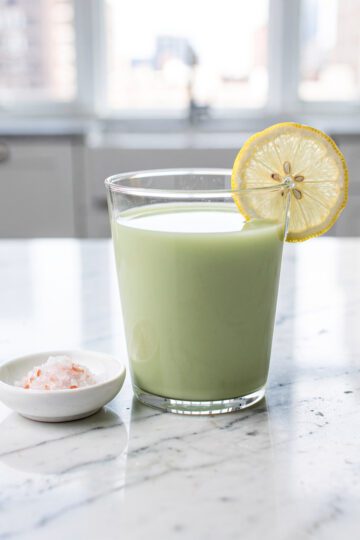
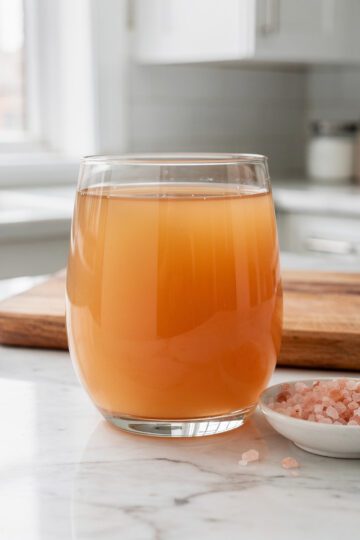
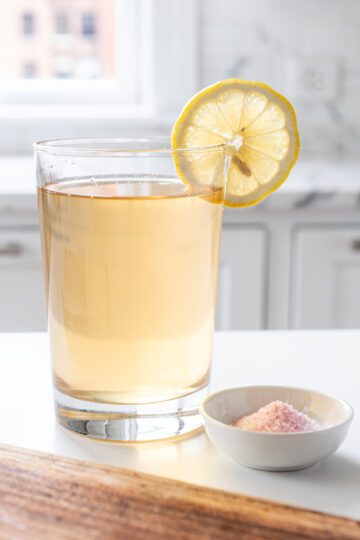
Use a quarter teaspoon of fine-ground pink Himalayan salt per one-cup serving. Add it after removing the liquid from heat, stirring until fully dissolved before pouring into molds or a mug.
Healthier Alternatives and Creative Variations
If you want to change the flavor profile or texture, these variations all stay within Plant Paradox guidelines. For a recipe that targets sleep and recovery using a similar gelatin base, explore this Andrew Huberman Gelatin Recipe.
Hibiscus Lemon Gummies
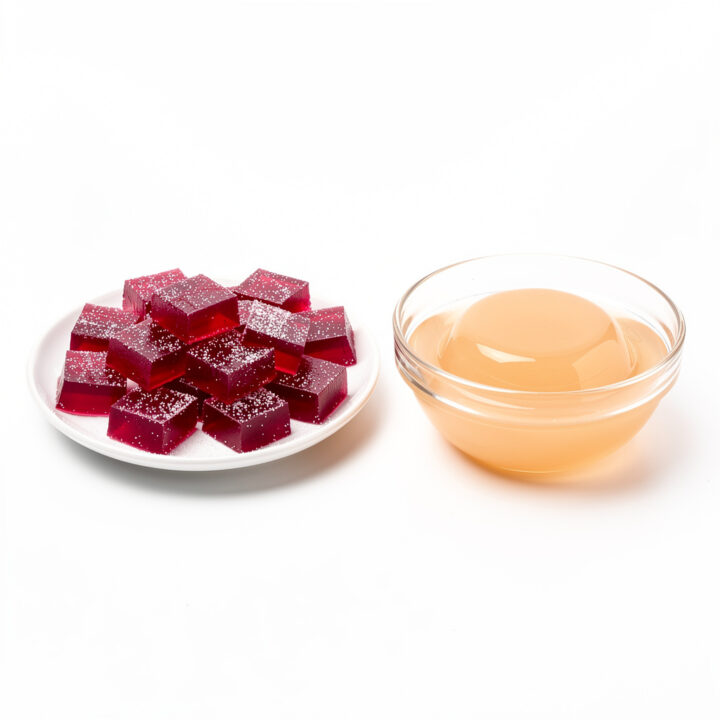
Replace the water with strong unsweetened hibiscus tea. Add 2 tablespoons of fresh lemon juice and sweeten with allulose to taste. Pour into silicone gummy molds and refrigerate for 2 hours. The hibiscus provides polyphenols that complement the glycine for gut repair.
Ginger Green Tea Gelatin
Steep 2 tablespoons of fresh grated ginger in 2 cups of hot green tea for 10 minutes. Strain the ginger out, then proceed with the base recipe. This version is particularly soothing for digestion and pairs well with a small amount of monk fruit liquid extract.
Savory Apple Cider Vinegar Gelatin
Use 1.5 cups of water and 0.5 cup of raw unfiltered apple cider vinegar with the mother. Sweeten with a pinch of allulose and add a pinch of salt. This makes a tangy, savory gel that works as a palate cleanser or a post-meal digestive aid. It is not dessert, but it is effective.
Who Should Be Cautious With This Recipe
The Dr. Gundry gelatin recipe is low-risk for most people, but low-risk is not the same as risk-free. A few groups need to pause before adding it to their routine.
People with kidney disease or a medically prescribed low-protein diet. Gelatin is a protein source. One tablespoon contains approximately six grams of protein. If your doctor has set a daily protein ceiling for kidney or liver function reasons, gelatin counts toward that number and must be treated accordingly.
People with a history of kidney stones. Gelatin contains hydroxyproline, which the body metabolizes into oxalate. For individuals prone to calcium oxalate stones, regular gelatin consumption can increase oxalate load. Consult your doctor before making this a daily habit.
Anyone with a known gelatin or beef allergy. Bovine-sourced gelatin can trigger reactions in people with beef protein sensitivities. Marine-derived alternatives are lectin-free but do not gel, so they will not work for this application. If you have an allergy, gelatin is not the right tool regardless of the brand.
People taking oral medications. The gel matrix gelatin forms in the stomach can slow the absorption rate of oral medications. Consume this recipe at least one hour before or two hours after any dose. If you are on time-sensitive medication, speak with your pharmacist before adding a daily gelatin drink.
Pregnant or nursing women. There is no established evidence that moderate gelatin consumption is harmful during pregnancy, but there is also limited specific research. The conservative approach is to consult your healthcare provider before adding any new supplement-adjacent food protocol during pregnancy or breastfeeding.
For a broader look at how salt-based cleanse and detox recipes affect the body and what side effects to watch for, the guide on pink himalayan salt cleanse side effects covers the risk thresholds in detail.
Storing Tips and Leftovers
Gelatin recipes are forgiving for storage, but only if you follow a few rules.
Store finished gelatin in an airtight container in the refrigerator. It will keep for 5 to 7 days. Do not freeze gelatin. Freezing destroys the protein network, and when it thaws, it will weep liquid and become grainy.
If your gelatin weeps liquid after a few days, that is normal. Just pour off the liquid and enjoy the remaining gel. It does not indicate spoilage.
For gummies, store them in a single layer in a sealed container. If you stack them, they may stick together. A light dusting of allulose powder between layers prevents sticking without adding off-list ingredients.
Conclusion
The Dr Gundry Gelatin Recipe is not complicated, but it is specific. Use the right gelatin. Avoid off-list sweeteners. Choose compliant liquids. And understand that this is not just a dessert, it is a targeted tool for gut lining repair and amino acid balance.
Whether you make the base recipe, the hibiscus lemon gummies, or the savory apple cider vinegar version, you are getting glycine where it matters most. That is the whole point. For a drink that combines gelatin with pink salt for weight loss support, see this Pink Salt Gelatin Trick Weight Loss recipe.
No bone broth confusion. No off-list add-ins. Just a clean, functional gelatin recipe that actually follows the protocol.
FAQs about Dr Gundry Gelatin Recipe
Dr. Gundry's gelatin recipe typically combines pasture-raised gelatin powder with compliant liquids like herbal tea or fruit juice, sweetened with monk fruit or stevia. It is designed to support gut health, joint function, and skin elasticity while aligning with his Plant Paradox dietary guidelines. The recipe avoids lectins, artificial sweeteners, and inflammatory additives.
Dr. Gundry recommends grass-fed bovine gelatin derived from hide and connective tissue rather than bones or marrow, due to the lower Neu5Gc profile of hide-sourced collagen. The two brands that meet this standard and actually gel are Great Lakes Wellness in the green can and Bernard Jensen's unflavored gelatin. Note that Vital Proteins produces collagen peptides, not gelling gelatin, their products will not set into gummies or jello-style recipes regardless of how much you use. Always check that your label says "gelatin" not "collagen peptides" or "hydrolyzed collagen" before buying.
Dr. Gundry's gelatin recipe is believed to help heal and seal the gut lining, reducing leaky gut symptoms that he links to many chronic diseases. Gelatin is rich in glycine and proline, amino acids that support joint health, skin collagen production, and improved digestion. Regular consumption may also aid in reducing inflammation throughout the body.
Yes, Dr. Gundry's gelatin recipe is designed to be fully Plant Paradox compliant when made with approved ingredients like pasture-raised gelatin, lectin-free liquids, and approved sweeteners. It avoids common inflammatory triggers such as sugar, artificial flavors, and lectin-containing fruit juices. Always verify individual ingredient labels to ensure full compliance with the Plant Paradox program.
To make Dr. Gundry's gelatin gummies, dissolve one to two tablespoons of grass-fed gelatin powder in half a cup of cold compliant juice, then stir in one cup of warm (not boiling) liquid and add a few drops of stevia or monk fruit sweetener. Pour the mixture into silicone molds and refrigerate for at least two hours until firm. These gummies serve as a gut-friendly, lectin-free snack that supports collagen production.
Dr. Gundry suggests that gelatin's high glycine content helps rebuild and strengthen the intestinal wall lining, which may reduce leaky gut permeability. By regularly consuming his gelatin recipe as part of the Plant Paradox protocol, patients may experience reduced bloating, improved digestion, and decreased systemic inflammation. However, it should be used as part of a comprehensive dietary approach rather than a standalone treatment.
💬 Let's Stay Connected!
For daily recipes, kitchen tips, and exclusive content, follow me on:
👉 Facebook for behind-the-scenes & community fun
👉 Pinterest for visual inspiration & meal ideas
👉 X (Twitter) for quick tips & trending recipes
📲 Join the flavor journey, your next favorite recipe is just a follow away!
Disclaimer: This content is provided for general informational and educational purposes only. It is not intended as medical, nutritional, or professional advice. Always consult a qualified healthcare professional or registered dietitian before making changes to your diet, health routine, or lifestyle. Individual needs and results may vary
Leave a Reply