
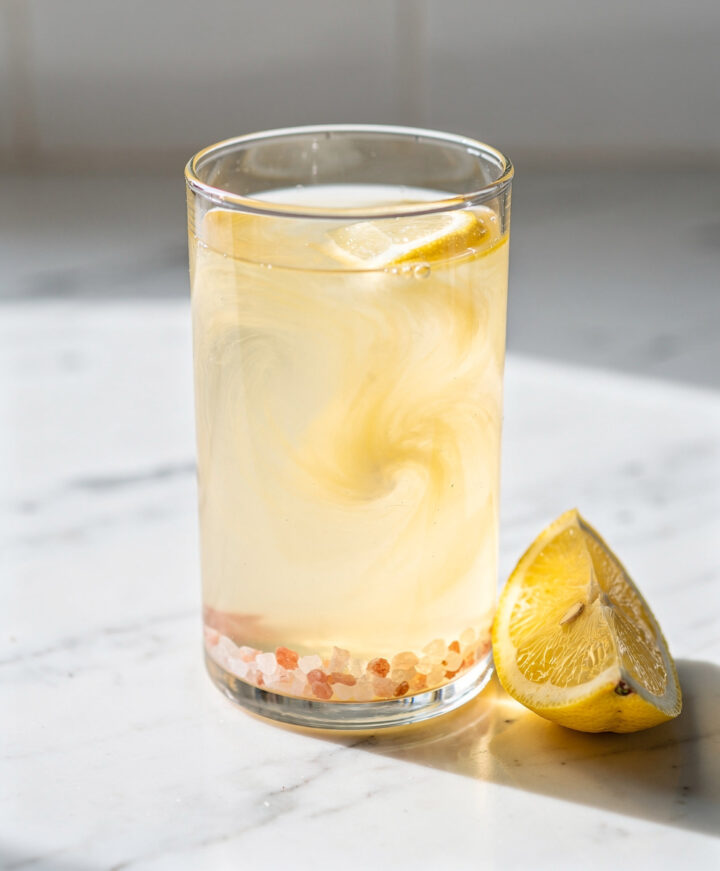
With spring often comes a desire to reset, but your body craves gentle support like leafy greens and hydration, not a harsh internal storm. The violent digestive upheaval and risk of dehydration are hallmark pink Himalayan salt cleanse side effects that work directly against the rejuvenating seasonal shift you might be seeking.
I remember standing in my Queens kitchen, watching my abuela patiently instruct me while listening for the sizzle of garlic hitting olive oil. That kitchen was my first classroom in understanding how food can soothe and empower the body. Yet, over the years, I've seen trends come and go, some promising easy fixes, like the pink Himalayan salt cleanse. As a chef and food blogger focused on joyful, sustainable eating, I wanted to take a closer look at this popular wellness ritual. What exactly happens when you follow a pink Himalayan salt water flush recipe? Are the touted benefits truly worth the risk?
Today, we're diving into the pink Himalayan salt cleanse side effects, the real science behind this practice and why it may be more harmful than helpful. Along the way, I'll share a friendly, chef-tested alternative to help you nourish your digestion without the drama. Whether you've heard about the pink Himalayan salt flush recipe from friends or stumbled on the himalayan pink salt weight loss drink recipe online, this article will help you make wise choices for your health and wellbeing.
Jump to:
- Pink Himalayan Salt Cleanse Side Effects
- What Exactly Is a Pink Himalayan Salt Cleanse?
- The Physiology of a Salt Flush: Why It Causes Immediate Distress
- A Detailed Breakdown of Side Effects: From Uncomfortable to Dangerous
- Who Should Absolutely Avoid This Cleanse? (Critical Contraindications)
- If You've Done a Cleanse: Steps for Recovery and Mitigation
- Safer, Evidence-Based Alternatives for Digestive Wellness
- The "Salt Quality" Science Brief
- Safe Use of Pink Salt: What the Guidelines Actually Say
- Conclusion
- FAQs about Pink Himalayan Salt Cleanse Side Effects
- References

Pink Himalayan Salt Cleanse Side Effects
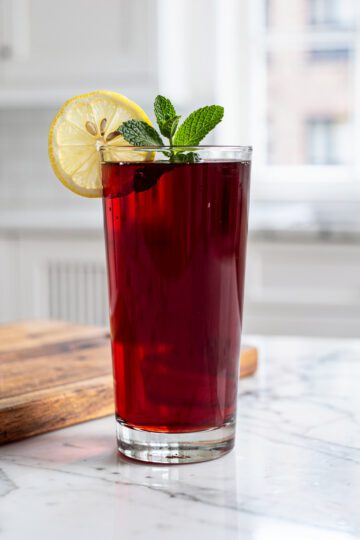
A gentle, chef-approved alternative to harsh salt cleanses. This tonic uses warm water, lemon, and a whisper of salt to support digestion without causing distress. It offers a mindful morning ritual that wakes up the gut gently.
- Total Time2min
- Yield1 serving 1x
- DietGluten Free, Vegan
Ingredients
- 8 oz warm water
- Juice of ½ a lemon
- 1 tsp raw apple cider vinegar (with the mother)
- A tiny pinch of pink Himalayan salt or quality sea salt
Instructions
- Heat water until warm, but not hot, about 8 oz.
- Juice half a lemon directly into the warm water.
- Add 1 teaspoon of raw apple cider vinegar.
- Add a tiny pinch of pink Himalayan salt or sea salt.
- Stir gently until everything is combined.
- Sip slowly first thing in the morning on an empty stomach.
Notes
This is a gentle signal to your digestive system, not a flush. Sip slowly over 5-10 minutes. For best results, use high-quality ingredients like raw, unfiltered apple cider vinegar.
- Prep Time: 2min
- Cook Time: 0min
- Category: Breakfast
- Method: Stirring
- Cuisine: Wellness
Nutrition
- Serving Size: 1
- Calories: 5
- Sugar: 0
- Sodium: 10
- Fat: 0
- Saturated Fat: 0
- Unsaturated Fat: 0
- Trans Fat: 0
- Carbohydrates: 1
- Fiber: 0
- Protein: 0
- Cholesterol: 0
What Exactly Is a Pink Himalayan Salt Cleanse?
The pink Himalayan salt cleanse is a ritual that involves mixing about two teaspoons of pink Himalayan salt into a quart of warm water and drinking it quickly on an empty stomach. This basic pink himalayan salt water recipe is designed to trigger a rapid bowel movement, commonly called a salt water flush (SWF). Advocates promote it as a deep colon detox, claiming it clears out parasites and toxins, improves digestion, and boosts energy by "resetting" the gut.
The process is straightforward: wake up, prepare the pink himalayan salt water flush recipe, and drink it fast. Then, you wait, often within the hour, for the intense urge to visit the bathroom. This "flush" effect is pitched as a way to jumpstart your metabolism or accelerate weight loss, tapping into the himalayan pink salt weight loss drink recipe craze that circulates widely on social media.
The Promised "Benefits" Versus the Marketing Reality
Almost every pink himalayan salt cleanse recipe on the web claims:
- Deep colon detoxification
- Elimination of parasites or toxins
- Improved digestion and absorption
- Increased energy levels
- Weight loss support
But here's the kicker: these promises are mostly anecdotal and not backed by robust science. They often rely on the idea of "cleansing" or "detoxing" - buzzwords that can be misleading because your body's liver, kidneys, and intestines are already well-equipped to handle metabolic waste elimination through established physiological processes (1). Instead, the pink Himalayan salt flush recipe can create an acute, physical disturbance affecting your electrolyte balance (more on that below) and often leads to discomfort far from the soothing reset you imagined.
Understanding the pink Himalayan salt cleanse side effects is crucial before jumping on an internet trend. When you break down the physiology of a salt flush, the narrative changes significantly.
The Physiology of a Salt Flush: Why It Causes Immediate Distress
The core of the pink Himalayan salt cleanse side effects stems from how a hypertonic salt solution interacts with your intestines and body fluids. This isn't a gentle nudge; it's a strong push that triggers a chain reaction inside your gut.
Osmotic Diarrhea and Gastrointestinal Turmoil
When you consume a quart of water mixed with two teaspoons of pink Himalayan salt, you're introducing a highly concentrated sodium chloride solution, much saltier than the body's natural fluids. Because it's hypertonic (meaning it has a higher salt concentration than your body cells), the salt solution pulls water from your body's tissues into the intestines via osmosis (2).
Think of osmosis like trying to balance out a crowd where more people are packed on one side, water moves to even things out. This sudden influx of water into your intestines dilutes the salt there but also causes the intestines to swell and activate muscle contractions, leading to urgency and rapid, watery diarrhea (2).
This reaction is not a "detox" but the body's way of getting rid of the irritating, oversized salt load. The rapid evacuation can cause painful cramps and sometimes disrupt the protective lining of your stomach and intestines, explaining why nausea often occurs as part of these side effects.
The Electrolyte Rollercoaster: More Than Just "High Sodium"
It's tempting to reduce the pink Himalayan salt cleanse side effects to simply "too much sodium," but the truth is more nuanced. As the body flushes water through diarrhea, it loses vital electrolytes, especially potassium and magnesium, which are critical for muscle function, nerve signaling, and heart rhythm (1).
At the same time, the large sodium load challenges your kidneys, which work overtime to filter and excrete excess salt (3). Meanwhile, the water loss combined with electrolyte shifts can paradoxically trigger hyponatremia, a condition marked by dangerously low sodium levels in the blood, as body fluids move unevenly and dilute blood sodium (4).
This electrolyte imbalance is more complex than simply having too much salt and involves a rollercoaster of shifts in hydration and minerals that can lead to symptoms ranging from nausea and dizziness to severe complications.
A Detailed Breakdown of Side Effects: From Uncomfortable to Dangerous
Knowing the full scope of pink Himalayan salt cleanse side effects helps you recognize when you're experiencing normal discomfort versus warning signs that need intervention.
Common and Acute Gastrointestinal Effects
Within 30 to 90 minutes of drinking the pink Himalayan salt water flush recipe, expect these bellwethers:
- Nausea and sometimes vomiting due to irritation of the gastric mucosa
- Severe abdominal cramps as the intestines contract to expel fluids
- Loose, urgent diarrhea that can feel overwhelming and cause dehydration
These symptoms are not subtle; they are typically intense and unmistakable. If you've tried a himalayan pink salt water recipe or the various pink Himalayan salt detox recipes on the web, you likely recognize this distress.
Systemic Risks: Dehydration, Blood Pressure, and Kidney Strain
A notable paradox is at play: despite drinking a quart of water, the osmotic diarrhea causes a net loss of fluids. This dehydration can leave you feeling weak, dizzy, or fatigued. Lost electrolytes make hydration even harder to restore (1).
At the same time, the sudden increase in circulating sodium can raise blood pressure sharply, a well-documented response to high sodium loading, particularly in salt-sensitive individuals (5). This is a particular concern if you have hypertension or cardiovascular vulnerabilities. The kidneys are pushed to their limits filtering the excess salt while trying to conserve water, a process that, if repeated often or combined with pre-existing issues, can contribute to lasting kidney damage or acute kidney stress (3).
Who Should Absolutely Avoid This Cleanse? (Critical Contraindications)
Certain people need to steer clear of the pink Himalayan salt cleanse altogether because their health conditions or medications make the potential side effects dangerously amplified. When it comes to pink Himalayan salt cleanse side effects, these contraindications matter a lot.
Pre-Existing Medical Conditions
- Hypertension: Salt spikes worsen blood pressure and increase stroke risk (5).
- Kidney disease at any stage: Impaired filtration makes salt clearance difficult, risking toxic buildup (3).
- Heart failure: Excess sodium causes fluid retention, worsening heart burden.
- Cirrhosis: Liver dysfunction disrupts fluid and electrolyte balance.
- IBS/IBD: The irritant effect can trigger painful flares.
- H. pylori history or gastric ulcers: Salt can exacerbate stomach lining irritation.
Medications and Other High-Risk Groups
- Diuretics: Sodium handling is already altered, increasing risk of imbalance.
- Lithium: Salt levels impact drug clearance and toxicity.
- Blood pressure medications: Interactions with sodium loads may destabilize control.
- NSAIDs: May impair kidney function, compounding risks.
- Pregnant or breastfeeding individuals: Electrolyte shifts can affect mother and baby.
- Eating disorders: The ritualistic "cleanse" can fuel unhealthy behaviors.
If you fit any category above, avoid the pink Himalayan salt cleanse and discuss safer gut health alternatives with your healthcare provider.
If You've Done a Cleanse: Steps for Recovery and Mitigation
For those who've gone ahead with a pink Himalayan salt cleanse and now face the fallout, it's not too late to make things better. Addressing pink Himalayan salt cleanse side effects promptly is key for safe recovery.
Immediate Rehydration and Electrolyte Support
Stop the cleanse immediately if you feel unwell. Sip water slowly, but plain water often isn't enough to restore the complex electrolyte balance disrupted by a salt water flush. Instead, prepare a balanced rehydration solution:
Balanced Rehydration Solution Recipe:
- 8 ounces (1 cup) of clean water
- A tiny pinch of standard table salt (about ⅛ teaspoon) to replenish sodium
- 1 tablespoon of orange juice for potassium and a bit of glucose to enhance absorption
Sip this slowly over 30-60 minutes rather than chugging. Avoid sugary sports drinks, as they often contain excess sugar without the right electrolyte ratios and can worsen dehydration.
When to Seek Emergency Medical Help
Certain symptoms mean it's time to head to the ER:
- Persistent vomiting beyond 12 hours
- Dizziness or confusion that doesn't improve when lying down
- No urination for 8+ hours, indicating kidney stress
- Severe headache or chest pain
- Rapid heartbeat or fainting
These red flags can signal serious electrolyte imbalance or organ distress. Don't hesitate to get professional help.
Safer, Evidence-Based Alternatives for Digestive Wellness
The urge to reset and support digestion doesn't have to lead you down the risky pink Himalayan salt cleanse side effects path. There are gentler, science-backed ways to care for your gut that respect your busy life and kitchen realities, including a gentler GLP-1 alternative that supports digestion without the harshness of a full cleanse.
Culinary Foundations: Fiber, Hydration, and Fermentation
Building digestive wellness is a marathon, not a sprint. Foundational habits include:
- Fiber: Incorporate chia seeds, ground flax, leafy greens, and beans. These promote regularity and feed gut microbes.
- Hydration: Aim for steady water intake throughout the day rather than one big blitz.
- Fermented foods: Sauerkraut, kimchi, yogurt, and kefir provide probiotics that support a healthy microbiome balance.
Crunch + cream + zip in every bite, that does not mean complex cooking; a simple salad with chickpeas, olive oil, lemon, and a sprinkle of my favorite pink salt sole for cleansing can taste delicious and support your gut without drama.
A Chef-Approved Morning "Reset" Ritual
To capture the ritualistic appeal of a cleanse without the risks, try this gentle, flavorful alternative:
Morning Digestive Tonic
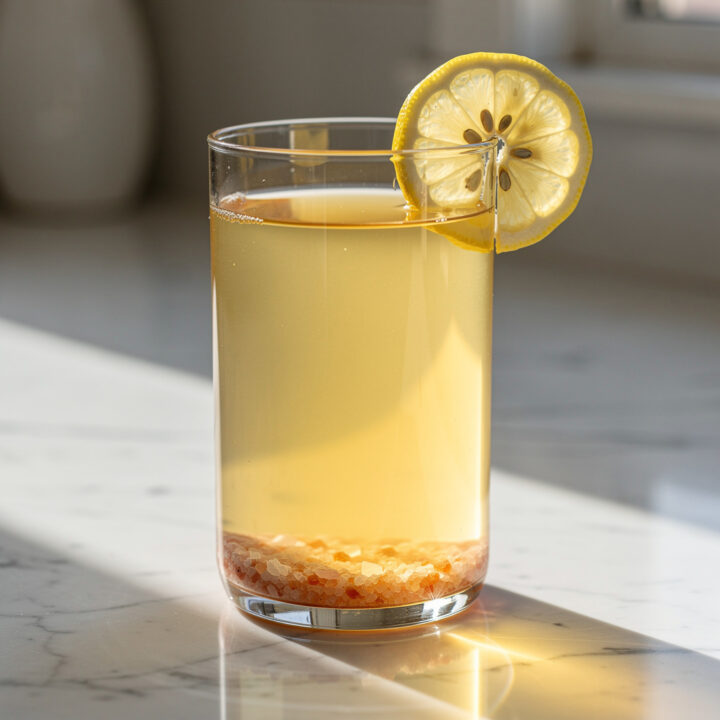
- 8 oz warm water
- Juice of ½ a lemon
- 1 teaspoon raw apple cider vinegar (with the "mother")
- A tiny pinch of pink Himalayan salt or quality sea salt
This combination offers acidity to stimulate stomach enzymes, the vinegar's probiotics for digestion, and a whisper of mineral support from salt. It's a gentle signal, not a violent flush, to your gut to wake up and do its job.
For those curious about pink salt detox recipes or balancing the himalayan pink salt weight loss drink recipe trend, this tonic strikes a middle ground: mindful, safe, and easy in a regular kitchen.
The "Salt Quality" Science Brief
Pink Himalayan salt is often marketed as a more "natural" or "mineral-rich" salt, the telltale selling point in many pink Himalayan salt flush recipes. But here's the food science reality: the mucosal distress and osmotic diarrhea caused by a pink Himalayan salt water flush recipe come down mostly to sodium chloride concentration.
The trace minerals, iron, magnesium, potassium, found in pink salt are present in minuscule amounts relative to its sodium chloride content (6). In the quantities consumed during a flush, they are nutritionally irrelevant. You could get similar effects with regular table salt, because the main driver is the sheer salt load triggering osmotic imbalance, not any magical mineral content.
This demystifying note helps readers navigate the flood of marketing hype and choose practices based on physiology rather than promises.
Safe Use of Pink Salt: What the Guidelines Actually Say
If you enjoy pink Himalayan salt as a seasoning or in small daily additions to water, the risk profile is entirely different from a full cleanse. The American Heart Association recommends no more than 2,300 mg of sodium per day for healthy adults, with 1,500 mg as the ideal for those with cardiovascular concerns (7). A small pinch in a morning drink or used as a cooking salt represents a fraction of this daily limit. The problem is not the ingredient, it is the dose used in a cleanse protocol.
Conclusion
In the end, the pink Himalayan salt cleanse is a risky ritual that can bring uncomfortable and even dangerous side effects, including severe dehydration, electrolyte imbalance, and kidney stress. Rather than chasing detox promises tied to himalayan pink salt water recipes or the allure of quick weight loss, trust your body's natural detox systems.
Supporting these with consistent practices, a high-fiber diet, proper hydration, probiotic-rich foods, and kind morning rituals like the digestive tonic, will get you further, with zero drama and plenty of flavor. For kitchen-friendly guidance and safe cleansing alternatives, check out my Pink Himalayan Salt Detox Recipe and the Pink Himalayan Salt Water Flush Recipe to understand these options on your terms.
Let me know how your journey goes in the comments! Don't forget to tag @SaltClarity on Pinterest when you try the Morning Digestive Tonic or your own twist on a gentle gut reset.

Here's to tasting life, tiny pink-salt pinches, big flavor, and wellness you can trust in your own kitchen.
FAQs about Pink Himalayan Salt Cleanse Side Effects
A salt water cleanse is intended to stimulate bowel movements and flush the digestive system. It often causes rapid fluid loss through diarrhea, which may lead to dehydration and electrolyte imbalance if not done carefully.
A Himalayan salt cleanse is not considered safe for everyone. Possible risks include dehydration, nausea, and electrolyte imbalance. People with kidney disease, high blood pressure, or heart conditions should avoid it.
Salt water flushes are not recommended for regular use. Because they can disrupt hydration and electrolyte levels, they should only be considered with medical guidance.
People with kidney problems, heart disease, high blood pressure, digestive disorders, or those on a sodium-restricted diet should avoid salt water flushes. Pregnant and breastfeeding women should also not attempt this cleanse.
Supporters claim benefits such as digestive cleansing and detox support. However, scientific evidence is limited, and any potential benefits should be weighed against the known risks.
Some people feel lighter due to bowel emptying, but others experience nausea, cramping, weakness, or dehydration. Proper rehydration is essential after a salt water flush.
💬 Let's Stay Connected!
For daily recipes, kitchen tips, and exclusive content, follow me on:
👉 Facebook for behind-the-scenes & community fun
👉 Pinterest for visual inspiration & meal ideas
👉 X (Twitter) for quick tips & trending recipes
📲 Join the flavor journey, your next favorite recipe is just a follow away!
Disclaimer: This content is provided for general informational and educational purposes only. It is not intended as medical, nutritional, or professional advice. Always consult a qualified healthcare professional or registered dietitian before making changes to your diet, health routine, or lifestyle. Individual needs and results may vary
References
- Shrimanker I, Bhattarai S. Electrolytes. In: StatPearls [Internet]. Treasure Island, FL: StatPearls Publishing; 2023. PMID: 31082167. Note: Covers the role of electrolytes in fluid balance, muscle function, and nerve signaling - and the consequences of their loss through diarrhea. Also cited for the body's established physiological detoxification mechanisms. Available from: https://www.ncbi.nlm.nih.gov/books/NBK541123/
- Fine KD, Schiller LR. AGA technical review on the evaluation and management of chronic diarrhea. Gastroenterology. 1999;116(6):1464-1486. doi:10.1016/s0016-5085(99)70513-5. PMID: 10348832. Note: Covers the mechanism of osmotic diarrhea, including the role of hypertonic solutions in drawing water into the intestinal lumen via osmosis, triggering bowel muscle contractions and rapid fluid evacuation. Available from: https://www.gastrojournal.org/article/S0016-5085(99)70513-5/fulltext
- He FJ, MacGregor GA. A comprehensive review on salt and health and current experience of worldwide salt reduction programmes. J Hum Hypertens. 2009;23(6):363-384. doi:10.1038/jhh.2008.144. PMID: 19110538. Note: Documents the relationship between high dietary sodium intake and kidney stress, including how excess salt clearance taxes renal filtration capacity. Also supports the blood pressure contraindication for high-sodium loading. Available from: https://www.nature.com/articles/jhh2008144
- Sterns RH. Disorders of plasma sodium - causes, consequences, and correction. N Engl J Med. 2015;372(1):55-65. doi:10.1056/NEJMra1404489. PMID: 25551526. Note: Comprehensive review of hyponatremia - abnormally low blood sodium - its causes, mechanisms, and clinical consequences, including fluid redistribution-related dilutional hyponatremia. Available from: https://www.nejm.org/doi/10.1056/NEJMra1404489
- Elijovich F, Weinberger MH, Anderson CAM, et al. Salt Sensitivity of Blood Pressure: A Scientific Statement From the American Heart Association. Hypertension. 2016;68(3):e7-e46. doi:10.1161/HYP.0000000000000047. PMID: 27443572. Note: AHA scientific statement documenting the relationship between high sodium loading and acute blood pressure elevation, particularly in salt-sensitive individuals. Available from: https://www.ahajournals.org/doi/10.1161/HYP.0000000000000047
- Bhattacharya PT, Misra SR, Hussain M. Nutritional Aspects of Essential Trace Elements in Oral Health and Disease: An Extensive Review. Scientifica (Cairo). 2016;2016:5464373. doi:10.1155/2016/5464373. PMID: 27190651. Note: Documents the trace mineral composition of Himalayan pink salt, confirming that while approximately 80 trace elements are present, they occur in minuscule concentrations relative to the dominant sodium chloride content. Available from: https://onlinelibrary.wiley.com/doi/10.1155/2016/5464373
- American Heart Association. Sodium and Salt. American Heart Association; 2024. Available from: heart.org/sodium-and-salt


Leave a Reply