
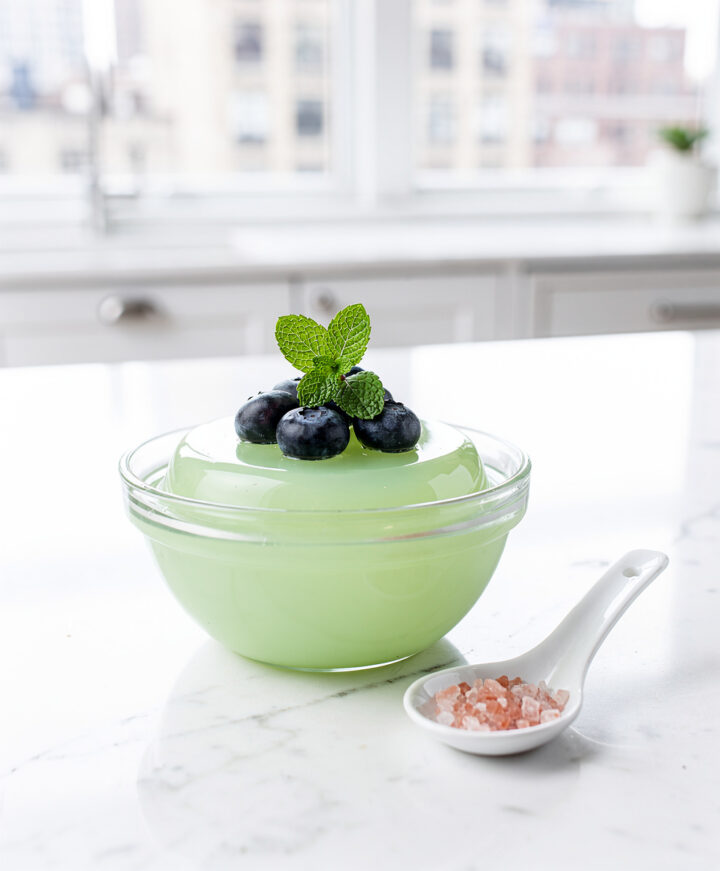
I remember the first time I made this green tea gelatin recipe for weight loss, and the silky texture surprised me. The subtle grassy flavor from the matcha made each spoonful feel like a treat, not a diet.
That batch came together in my Queens kitchen on a Tuesday night, somewhere between a long shift and zero motivation to meal prep. I almost reached for a protein bar. Instead, I steeped tea, bloomed some gelatin, and had something genuinely satisfying waiting in the fridge by morning.
Here's what nobody tells you: the reason most green tea gelatin fail is execution, not ingredients. Wrong temperature, Wrong sweetener and the Wrong gelatin entirely. By the end of this, you'll know exactly what to buy, how to brew, and which small choices produce real weight-loss results. For a broader look at how gelatin fits into a weight loss plan, check out the complete gelatin weight loss guide.
Jump to:
- green tea gelatin recipe for weight loss
- Why the Green Tea and Gelatin Combination Actually Makes Sense for Weight Loss
- Choosing Your Ingredients: The Decisions That Determine Results
- The Core Green Tea Gelatin Recipe
- Sweetener Guide: The Choice That Affects Your Weight Loss Goal
- The Pink Salt Difference: Why One Small Pinch Changes Everything
- When and How to Eat It for Maximum Effect
- Troubleshooting: Why It Did Not Set and How to Fix It
- Flavor Variations That Keep the Habit Going
- Realistic Expectations: What This Recipe Can and Cannot Do for Weight Loss
- Who Should Be Cautious With This Recipe
- Conclusion: Start With One Batch This Week
- FAQs about green tea gelatin recipe for weight loss
green tea gelatin recipe for weight loss
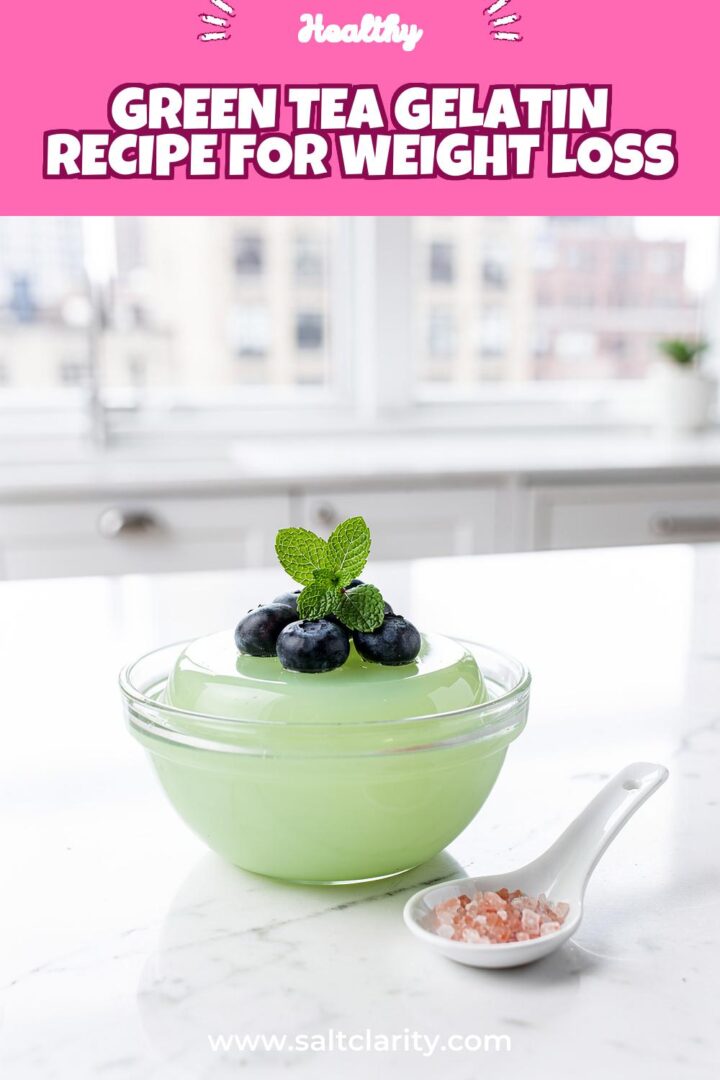
This green tea gelatin recipe for weight loss combines the thermogenic benefits of EGCG from green tea with the appetite-suppressing power of gelatin protein. A silky, low-calorie dessert that supports your goals without sacrificing flavor, made with a pinch of pink Himalayan salt for balance.
- Total Time2h 15min
- Yield4 servings 1x
- DietGluten Free
Ingredients
- 1 tablespoon (7g) unflavored grass-fed beef gelatin
- 1 cup (240ml) freshly brewed green tea, steeped at 170°F for 2-3 minutes
- ½ cup (120ml) cold filtered water
- 1-2 teaspoons monk fruit sweetener (or stevia drops, raw honey)
- 1 teaspoon fresh lemon juice
- One small pinch of pink Himalayan salt
Instructions
- Bloom the gelatin: Sprinkle gelatin over the cold water in a small bowl. Let it sit undisturbed for 5 minutes.
- Brew the tea: Heat water to 170°F (let boiled water rest 4 minutes if no thermometer). Steep green tea for 2-3 minutes, then remove tea bag or strain leaves.
- Combine: Pour the warm tea over the bloomed gelatin. Stir gently for 2 full minutes until completely dissolved. For matcha, whisk powder into 2 tablespoons warm tea first, then fold into gelatin mixture.
- Sweeten: Add monk fruit sweetener, lemon juice, and a pinch of pink Himalayan salt. Stir and taste, adjusting sweetener as needed.
- Pour and chill: Divide mixture into small ramekins, silicone molds, or a glass container. Refrigerate at least 2 hours, preferably overnight for best texture.
- Serve: Unmold or scoop. Optionally top with fresh blueberries or a mint sprig.
Notes
For a vegan version, substitute 1 teaspoon agar-agar powder for gelatin and bring liquid to a brief boil for 30 seconds before cooling. Use Sencha for light flavor, matcha for highest EGCG, or Hojicha for a low-caffeine afternoon option. Avoid boiling the tea to preserve catechins.
- Prep Time: 10min
- Cook Time: 5min
- Category: snack
- Method: no-cook
- Cuisine: Japanese
Nutrition
- Serving Size: 4
- Calories: 25
- Sugar: 0
- Sodium: 55
- Fat: 0
- Saturated Fat: 0
- Unsaturated Fat: 0
- Trans Fat: 0
- Carbohydrates: 1
- Fiber: 0
- Protein: 6
- Cholesterol: 0
Why the Green Tea and Gelatin Combination Actually Makes Sense for Weight Loss
Most people treat this green tea gelatin recipe like a fun wellness trend. It's actually a pretty smart nutritional pairing, once you understand the chemistry.
What Green Tea's EGCG Does at the Molecular Level
EGCG, or epigallocatechin gallate, is the star catechin in green tea. It's directly linked to thermogenesis and fat oxidation, meaning your body burns slightly more energy processing it. A standard cup of Sencha yields roughly 50 to 100mg of EGCG. Matcha delivers around 137mg per gram of powder, making it the most potent option for a gelatin recipe for weight loss.
Temperature is everything here. Water above 185 degrees F destroys catechins on contact. Steep at 160 to 175 degrees F for 2 to 3 minutes, and you keep those compounds intact. Boiling your tea? You're pouring out the benefit.
What Gelatin Protein Does for Appetite
Gelatin is roughly 98 percent protein by dry weight. Its primary amino acids, glycine and proline, are tied to gut lining support and a mild but real satiety signal. Glycine, specifically, helps slow gastric emptying, which means you feel fuller longer after eating.
This is the pairing logic worth remembering: EGCG works on metabolic rate; gelatin protein works on appetite signaling. Together, they create a low-calorie gelatin dessert that actually does two jobs at once. If you want a deeper breakdown of how pink Himalayan salt supports weight management beyond this recipe, the himalayan pink salt weight loss guide covers the full picture.
Choosing Your Ingredients: The Decisions That Determine Results
The green tea gelatin drink for weight loss you end up with depends almost entirely on what you put into it. These choices matter more than technique.
Which Gelatin to Buy (And Which to Avoid)
- Grass-fed beef gelatin: Most collagen-dense option, roughly 6g protein per tablespoon. Best choice for satiety and the classic firm-but-tender set.
- Fish gelatin: Odorless, lighter set, and halal/kosher-friendly. Slightly less protein per serving, but a solid choice.
- Agar-agar (Kanten method): 100 percent vegan, zero calories, and higher in dietary fiber. Sets firmer and at room temperature. This is the Japanese kanten green tea recipe approach, and it works beautifully.
- Avoid: Flavored sugar-free Jell-O packets. They contain aspartame or sucralose, which growing research links to disrupted gut microbiome balance and increased sweet cravings.
Which Green Tea to Use and Why It Changes the Flavor
- Matcha powder: Highest EGCG density. Whisk it into a small amount of warm water before adding to your gelatin base, or you'll get bitter clumps.
- Sencha: Grassy, clean, slightly astringent. Steep at 170 degrees F for 2 minutes. Best for a light, refreshing unflavored gelatin drink.
- Hojicha: Roasted and nutty with only about 7mg of caffeine per cup compared to Sencha's 35mg. The obvious choice for afternoon batches.
The Core Green Tea Gelatin Recipe
This is the base you'll come back to every week. Simple, flexible, and built around the details that actually matter.
Ingredients and Exact Measurements
- 1 tablespoon (7g) unflavored grass-fed beef gelatin, or 1 teaspoon agar-agar powder for the vegan version
- 1 cup (240ml) freshly brewed green tea, steeped at 170 degrees F for 2 to 3 minutes
- ½ cup (120ml) cold filtered water
- 1 to 2 teaspoon monk fruit sweetener, stevia drops, or raw honey (see sweetener section below)
- 1 teaspoon fresh lemon juice, which brightens flavor and boosts catechin absorption via vitamin C
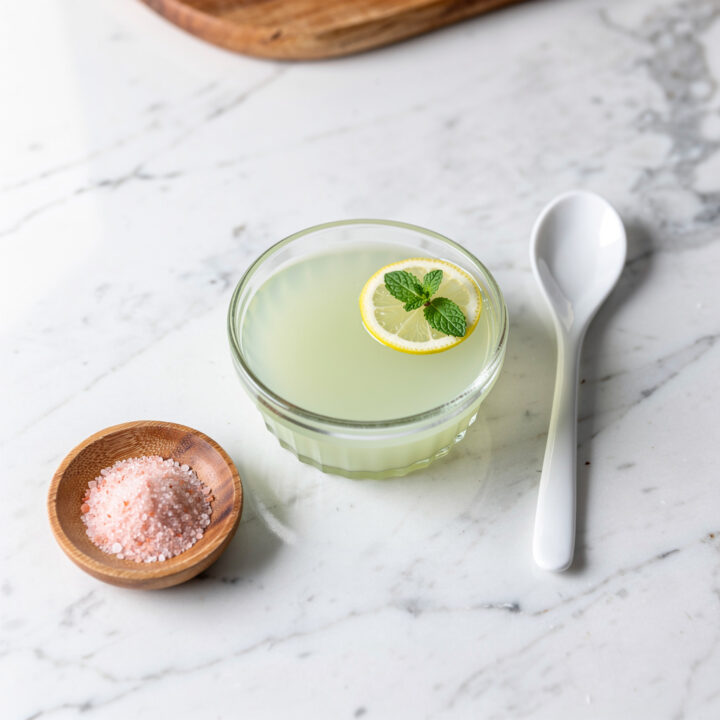
- One small pinch of pink Himalayan salt (covered fully in its own section below)
Step-by-Step Instructions
- Bloom the gelatin. Sprinkle gelatin over the cold water. Let it sit undisturbed for 5 minutes. Skip this step for agar-agar.
- Brew the tea. Heat water to 170 degrees F. If you don't have a thermometer, let fully boiled water rest for 4 minutes. Steep for 2 to 3 minutes, then remove the bag or strain.
- Combine. Pour the warm tea over the bloomed gelatin. Stir gently for 2 full minutes until dissolved. For matcha, whisk the powder into 2 tablespoons of warm tea first, then fold that into the gelatin mixture.
- Sweeten. Add your chosen sweetener and the lemon juice. Taste and adjust.
- Pour and chill. Divide into small ramekins, silicone molds, or a glass container. Refrigerate at least 2 hours, overnight for best texture.
- Serve. Unmold or scoop. A few fresh blueberries or a mint sprig on top adds antioxidants and makes it feel like an actual dessert.
Sweetener Guide: The Choice That Affects Your Weight Loss Goal
Sweetener selection isn't minor. For a low-calorie gelatin dessert built around weight loss, the glycemic index of your sweetener is directly relevant.
How Different Sweeteners Change the Outcome
| Sweetener | Glycemic Index | Calories per tsp | Best For |
|---|---|---|---|
| Honey | ~58 | ~20 | Non-diabetic users, small amounts |
| Stevia (liquid) | 0 | 0 | Budget-friendly, use drops |
| Monk fruit | 0 | 0 | Best overall, no aftertaste |
| Erythritol | ~1 | ~1.5 | Keto, dissolve in warm tea first |
Monk fruit is the best overall choice for a keto green tea gelatin recipe or any calorie-counting approach. It's genuinely sweet without spiking blood sugar or leaving a chemical aftertaste.
Erythritol can crystallize in cold gelatin if not dissolved fully in the warm tea before combining. That's an easy fix: just stir it into the hot brew first.
The Pink Salt Difference: Why One Small Pinch Changes Everything
This is where Salt Clarity earns its name.
How Pink Himalayan Salt Elevates Your Green Tea Gelatin Without Adding Sodium Overload
A single pinch of pink Himalayan salt in this matcha gelatin snack does something no other ingredient does: it suppresses bitterness. Green tea carries tannins, and salt at trace levels blocks bitter taste receptors on your palate. You don't taste salt. You taste a rounder, smoother, cleaner green tea flavor.
Pink Himalayan salt also contains over 80 trace minerals, including potassium, magnesium, and calcium. Those minerals support hydration and electrolyte balance, which matters when you're eating for weight loss and running a calorie deficit.
The dose is micro. We're talking a 4-finger pinch over the whole batch, not a seasoning shake. Tiny pink-salt pinches, big flavor. That's the Salt Clarity method, and it applies here as much as it does to a roast chicken. For another recipe using this same principle, try the Himalayan salt gelatin drink.
If you're exploring other appetite-management tools alongside this recipe, it's worth reading about natural Mounjaro alternatives to understand the full landscape of food-based support strategies.
When and How to Eat It for Maximum Effect
Timing this green tea gelatin drink for weight loss correctly turns a good habit into a consistently effective one.
Timing Windows That Make This Work
- 20 minutes before a meal: The most evidence-supported window for protein-based appetite control. Gelatin protein takes roughly 15 to 20 minutes to trigger satiety signaling, so eating it just before a meal meaningfully reduces how much you eat at that meal.
- Morning on an empty stomach: EGCG and green tea catechins work better at low insulin levels. Pair this with a glass of water for a clean, low-calorie morning anchor.
- Pre-workout (45 minutes before): EGCG plus caffeine from Sencha has real support in the literature for fat oxidation during moderate exercise. This is the window where Sencha-based gelatin shines.
- Afternoon (use Hojicha): If it's past 2 or 3pm, swap to Hojicha to avoid disrupting sleep.
Portion Size and Weekly Batch Prep
One to two servings daily is the practical limit for most people. For batch prep, make a full 32oz batch on Sunday. Pour into small jars or silicone molds and refrigerate up to 5 days.
Do not freeze this. Freezing breaks down the protein structure and produces a watery, separated texture that nobody wants to eat at 7am.
Troubleshooting: Why It Did Not Set and How to Fix It
Every failed batch of this green tea gelatin recipe has one of four causes.
The 4 Most Common Failures and Their Exact Fixes
- Won't set: Gelatin was added to boiling liquid. Above 185 degrees F, the gelling proteins denature and stop working. Always let tea cool to 160 to 175 degrees F before combining. Note: agar-agar is the exception and requires a brief boil to activate.
- Too rubbery: Too much gelatin. Reduce to 2 teaspoons per cup of liquid for a softer, more jiggly texture.
- Bitter flavor: Tea was steeped too long (beyond 3 minutes releases harsh tannins) or matcha wasn't pre-whisked. Fix both with a timer and a small whisk.
- Grainy texture: Gelatin didn't fully dissolve before chilling. Always stir for the full 2 minutes, then strain through a fine mesh sieve before pouring into molds.
Flavor Variations That Keep the Habit Going
Eating the same matcha gelatin snack every day stops working when boredom sets in. These three variations solve that.
Three Flavor Variations With Different Weight Loss Profiles
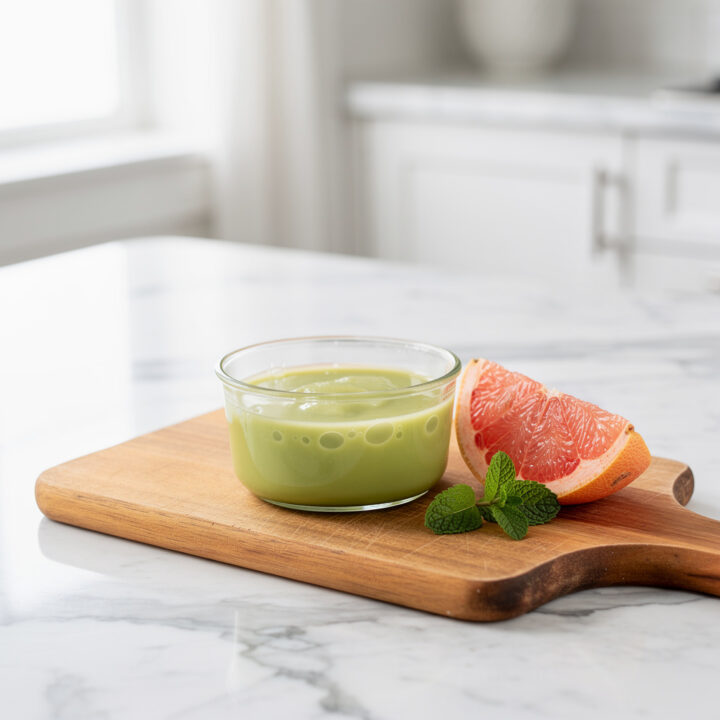
- Matcha Citrus: 1 teaspoon matcha powder plus juice of half a grapefruit plus monk fruit. Grapefruit's naringenin compound has shown modest effects on insulin sensitivity in clinical research. Highest EGCG of all three variations.
- Hojicha Ginger: 1 cup hojicha plus ½ teaspoon freshly grated ginger. Gingerol, ginger's active compound, has demonstrated thermogenic properties. Low caffeine makes this the best evening choice.
- Sencha Mint Detox: 1 cup Sencha with 5 fresh mint leaves steeped together plus a squeeze of lime. Mint supports digestion; lime's vitamin C increases catechin bioavailability. Cleanest, most refreshing option.
Making It Vegan With Agar-Agar (Kanten Method)
Swap 1 tablespoon of gelatin for 1 teaspoon of agar-agar powder. The key difference is that agar sets at room temperature and carries more dietary fiber, which supports gut motility and, indirectly, weight management. The only technique change: bring the liquid to a brief boil for 30 seconds after adding the agar-agar, then cool before chilling.
Realistic Expectations: What This Recipe Can and Cannot Do for Weight Loss
What the Evidence Actually Supports
Green tea catechins, specifically EGCG, are associated with a modest increase in 24-hour energy expenditure in multiple meta-analyses. The number that comes up repeatedly is roughly 80 to 100 additional calories burned per day. That's real, but it's modest.
Gelatin protein's appetite effect is similarly real and similarly modest. It is a calorie-reduction tool, not a transformation shortcut. The honest framing is this: a well-made green tea gelatin recipe for weight loss works best as a behavioral anchor. It replaces a higher-calorie snack, signals satiety before meals, and builds a daily habit that creates a reliable calorie deficit over time. Used consistently, that compounding effect is where results come from. Try smarter, not stricter. The overnight gelatin trick for weight loss is another great habit to pair with this recipe.
Who Should Be Cautious With This Recipe
This recipe is low-risk for most healthy adults. A few groups need to read this before making it a daily habit.
People sensitive to caffeine:
Sencha delivers approximately 35mg of caffeine per cup. Matcha delivers significantly more, up to 70mg per gram of powder depending on grade and preparation. If you are caffeine-sensitive, have anxiety, high blood pressure, or heart arrhythmia, use Hojicha exclusively. It contains roughly 7mg per cup, making it the only genuinely low-caffeine option in this recipe. Do not drink the Sencha or matcha versions after 2pm if you have any sleep sensitivity to caffeine.
People with iron deficiency or anemia:
Green tea catechins, specifically EGCG, bind to non-heme iron in the digestive tract and reduce its absorption when consumed with or close to iron-rich meals. If you are managing low iron, drink this recipe at least two hours away from iron-rich foods or iron supplements. Do not use it as a pre-meal drink immediately before a meal that includes leafy greens, legumes, or red meat if iron absorption is a concern for you.
People with kidney disease or a history of kidney stones:
Gelatin contains hydroxyproline which metabolizes into oxalate in the body. Green tea also contains oxalates. The combination increases oxalate load and is not appropriate for daily use if you are prone to calcium oxalate kidney stones. Check with your doctor before making this a regular habit.
Anyone taking blood thinners or anticoagulant medication:
Green tea has mild anticoagulant properties at regular daily consumption levels. If you take warfarin, aspirin therapy, or any prescribed blood thinner, confirm the timing and quantity with your pharmacist before adding this as a daily drink.
Pregnant or breastfeeding women:
Caffeine passes through breast milk and crosses the placenta. One cup of Sencha-based gelatin daily is within general guidance for moderate caffeine consumption during pregnancy, but confirm with your OB-GYN before making this a routine. Avoid the matcha version during pregnancy due to its higher caffeine concentration.
People with a history of disordered eating:
This recipe is designed as a pre-meal satiety tool. Any ritual that involves eating before eating to control portion size should be approached thoughtfully by anyone with a history of restrictive eating patterns. If that applies to you, this framework may not be the right tool.
For a broader breakdown of how pink salt and mineral-rich wellness drinks interact with the body at different intake levels, the guide on pink himalayan salt cleanse side effects covers the relevant sodium and mineral thresholds
Conclusion: Start With One Batch This Week
This green tea gelatin recipe for weight loss works because every ingredient choice has a reason behind it.
- The right temperature preserves your EGCG.
- The right gelatin delivers real protein satiety.
- The right sweetener keeps blood sugar stable. And one small pinch of pink Himalayan salt makes the whole thing taste better than any diet food has any right to taste.
Make one batch this weekend. Use Sencha if you want light and clean. Use matcha if you want bold. Eat it 20 minutes before your biggest meal and see how that meal goes.
Regular kitchen, regular time, great results.
Let me know how it turned out in the comments, and don't forget to tag @SaltClarity on Pinterest.
FAQs about green tea gelatin recipe for weight loss
Yes, green tea gelatin can support weight loss by combining the metabolism-boosting catechins in green tea with the appetite-suppressing, protein-rich properties of gelatin. Together, they may help reduce hunger, improve digestion, and promote fat oxidation. It is best used as part of a balanced diet and active lifestyle.
To make green tea gelatin for weight loss, brew 2 cups of strong green tea, dissolve 1 tablespoon of unflavored gelatin powder in it while hot, sweeten lightly with honey if desired, and pour into molds to set in the refrigerator for 2-3 hours. Use high-quality matcha or loose-leaf green tea for maximum antioxidant benefits. Avoid adding excess sugar to keep the recipe low-calorie and effective for weight management.
The best time to eat green tea gelatin for weight loss is between meals as a low-calorie snack that curbs hunger and prevents overeating. Consuming it 30 minutes before a meal may also help reduce overall calorie intake by promoting a feeling of fullness. Some people also enjoy it in the morning to benefit from green tea's natural energy and metabolism boost.
Unflavored, grass-fed bovine gelatin or collagen-based gelatin powder is best for a green tea weight loss recipe, as it is high in protein and free from added sugars or artificial ingredients. Agar-agar is a suitable plant-based alternative for those following a vegan or vegetarian diet. Always choose a gelatin with minimal processing to preserve its gut-health and appetite-suppressing benefits.
A basic green tea gelatin recipe made with brewed green tea and unflavored gelatin typically contains only 20-40 calories per serving, making it an excellent low-calorie snack. Calories can increase slightly if honey, lemon juice, or other natural sweeteners are added. Keeping the recipe simple and sugar-free ensures it remains an effective tool for a calorie-controlled weight loss plan.
Yes, adding matcha powder to a green tea gelatin recipe significantly boosts its weight loss potential, as matcha contains a higher concentration of EGCG catechins and antioxidants compared to regular brewed green tea. Use 1-2 teaspoons of ceremonial or culinary-grade matcha per cup of liquid for optimal flavor and health benefits. Whisk the matcha thoroughly into the warm liquid before adding gelatin to ensure a smooth, lump-free texture.
💬 Let's Stay Connected!
For daily recipes, kitchen tips, and exclusive content, follow me on:
👉 Facebook for behind-the-scenes & community fun
👉 Pinterest for visual inspiration & meal ideas
👉 X (Twitter) for quick tips & trending recipes
📲 Join the flavor journey, your next favorite recipe is just a follow away!
Disclaimer: This content is provided for general informational and educational purposes only. It is not intended as medical, nutritional, or professional advice. Always consult a qualified healthcare professional or registered dietitian before making changes to your diet, health routine, or lifestyle. Individual needs and results may vary
Leave a Reply