
Introduction
In Getting a skeptical family on board with lower-sodium eating is all about the slow, flavorful win. I started by adding a pinch of citrus zest to roasted vegetables, which made them so bright and tasty that no one even reached for the salt.
I remember one night in my busy Queens kitchen, after a particularly heavy, salty dinner, how sluggish and puffy I felt. Like many of you, I'd searched for quick fixes-especially the viral "salt water trick" that promises to flush bloating by adding more salt to water. But here's the twist: that salt actually makes water retention worse. If you're looking for bloat relief without salt, you're not alone-and that's exactly what this article is about.
We'll go far beyond the usual advice to simply "cut salt." You'll get a practical, science-backed system for understanding why salt causes bloating, how to create your own salt-free flavor toolkit, and which foods and lifestyle tweaks truly help you feel lighter and more comfortable. Plus, I'll share smart, delicious ways to honor your cravings without piling on sodium, including some tips interwoven with bright ideas from pink Himalayan salt recipes-and yes, even some clever ways to work with salt where it counts. Let's get you back to feeling great without the bloat.
Jump to:
- Introduction
- Why Salt is the Usual Suspect (And Why It Backfires)
- Your Salt-Free Flavor Toolkit: Never Miss the Shaker Again
- Tailored Relief: Choose Your Strategy Based on Bloat Type
- The Bloat-Friendly Plate: Building Meals That Prevent Discomfort
- Bloat Relief Without Salt
- Beyond Food: Essential Lifestyle Leverages
- When to Pause Home Remedies and Seek Help
- Conclusion
- FAQs about Bloat Relief Without Salt
Why Salt is the Usual Suspect (And Why It Backfires)
The Simple Science of Water Retention
When your sodium intake spikes, your body holds onto water. Picture this: sodium acts like a magnet, pulling water from inside your cells into spaces outside them-between your tissues and in your digestive tract. This process, called osmosis, causes that familiar puffiness: bloated belly, swollen ankles, and a heavier feeling overall. Your blood vessels and kidneys get busier trying to balance things out, and you feel the lag in your usual comfort.
What's more, salt doesn't just sit on the shaker. It's hiding in places you wouldn't expect, making it tough to keep track when you're trying to reduce sodium for bloat relief without salt.
Beyond the Shaker: Hidden Sodium Landmines
Here's where many people get tripped up. Plenty of "healthy" or everyday foods sneak in sodium that adds up:
- Restaurant bread and rolls: Often loaded with salt in the dough.
- Canned beans and vegetables: Preservation comes at a sodium cost.
- Condiments: Soy sauce, ketchup, pickles, and salad dressings can skyrocket salt counts.
- Snack foods: Veggie chips and flavored nuts sometimes pretend to be health foods but carry a salty punch.
- Even some medications: Certain over-the-counter and prescription drugs include sodium for stability.
Once you know where sodium lurks, avoiding it for bloat relief without salt is less of a guessing game and more of a smart choice.
Your Salt-Free Flavor Toolkit: Never Miss the Shaker Again
The biggest pitfall: everyone tells you to reduce salt but fails to show you how to replace flavor without it. That's where your new toolkit comes in. It's all about topping your dishes with layers of taste-without the sodium fallout.
The Acid Advantage
Acids brighten food like a spotlight, amplifying flavor and mimicking the satisfying "snap" you get from salt. Don't underestimate the power of:
- Lemon or lime juice: A tiny squeeze can make veggies pop.
- Vinegars: Apple cider vinegar adds a soft tang, balsamic brings a sweet depth, and white wine vinegar keeps things lively.
Using acids in your meals, like in a de-bloating salad dressing or a quick citrus marinade, turns up the flavor dial without relying on sodium.
Building Umami Without MSG
Savory, rich umami flavors feel like a treat but often come with hidden salt. Instead, try these low or no-sodium umami boosters:
- Roasted mushrooms: Caramelized shiitakes or creminis bring deep notes to soups and grains.
- Tomato paste: Look for no-salt-added varieties for concentrated savory goodness.
- Nutritional yeast: This cheesy, nutty powder adds punch to everything from sauces to popcorn.
- Seaweed flakes: Nori or dulse sprinkled on dishes can enhance sea flavors naturally.
Combine these thoughtfully for dinner sauces or at your grains station-your taste buds will thank you.
Mastering Herb & Spice Blends
Fresh and dried herbs plus spices unlock freshness and warmth. Here are blend ideas that keep you well clear of the salt shaker:
- Italian-style: Dried garlic, oregano, basil, and a pinch of red pepper flakes. Perfect for tomato sauces or grilled veggies.
- Warming blend: Cumin, coriander, smoked paprika, and a touch of cinnamon. Amazing on roasted sweet potatoes or sautéed greens.
- Herbal freshness: Tarragon, thyme, chives, and lemon zest make dishes sing with crisp, bright notes.
A little trail mix of these blends stored in a mason jar means you always have a no-salt magic touch ready to go.
Tailored Relief: Choose Your Strategy Based on Bloat Type
Before reaching for water or snacks, it helps to know your bloat. Not all puffiness is the same-understanding whether it's water retention or digestive gas can make all the difference.
The Bloat Type Diagnostic Flowchart
Ask yourself:
Do you feel puffy all over, including ankles and wrists, especially after eating salty foods?
That's water retention bloat.Do you feel discomfort mainly in your abdomen, with loud or frequent gas, cramps, or irregular bowel movements?
That's digestive gas bloat.
Once you identify your type, pick the right relief steps below.
For Water Retention Bloat (The "Puffy" Feeling)
Water retention from sodium overload responds well to a targeted routine. Here's a 24-hour sodium reset designed to flush excess salt and soothe swelling, inspired partly by Salt Clarity's Pink Himalayan Salt Detox Recipe:
Upon waking:
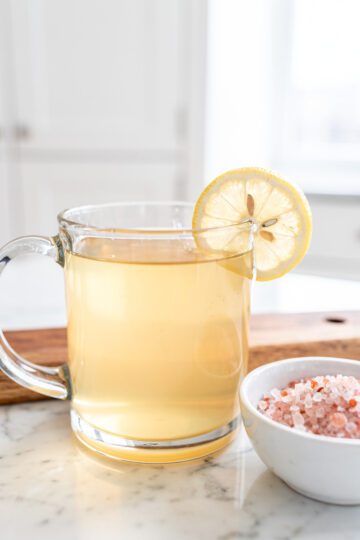
- 16 oz warm water with juice of half a lemon. Warm water helps dissolve salts and fats smoothly; it's like a gentle morning river clearing your internal pathways. This timing is key-avoid the salt water flush myths that overload you.
Breakfast:
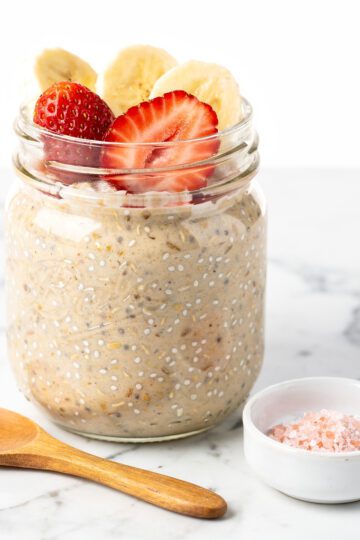
- Oatmeal topped with sliced banana (rich in potassium, a counterbalance to sodium).
Morning Snack:
- Coconut water or a small handful of roasted pumpkin seeds (both potassium-rich and hydrating).
Lunch:
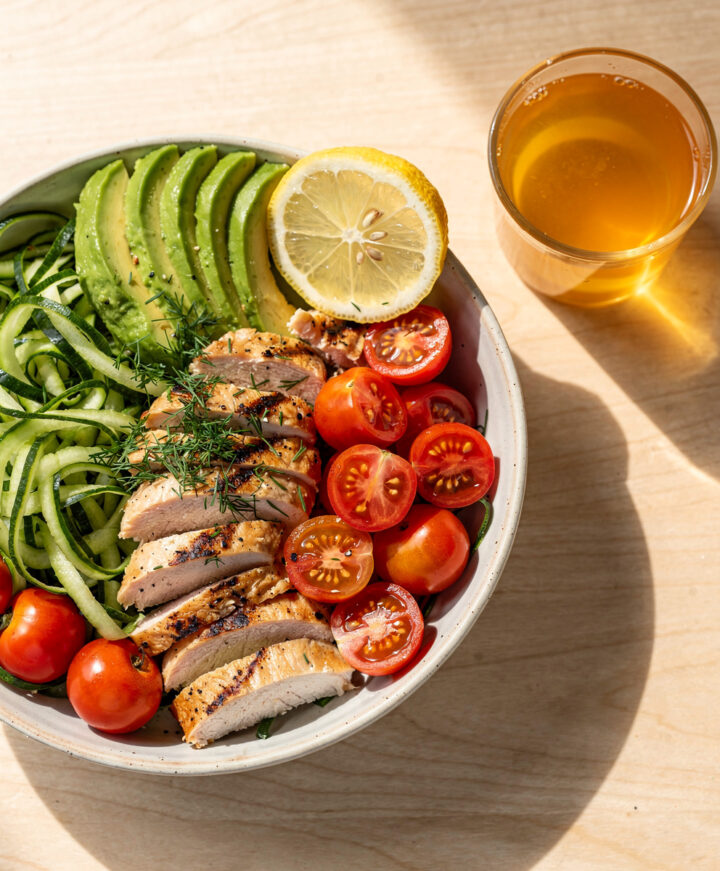
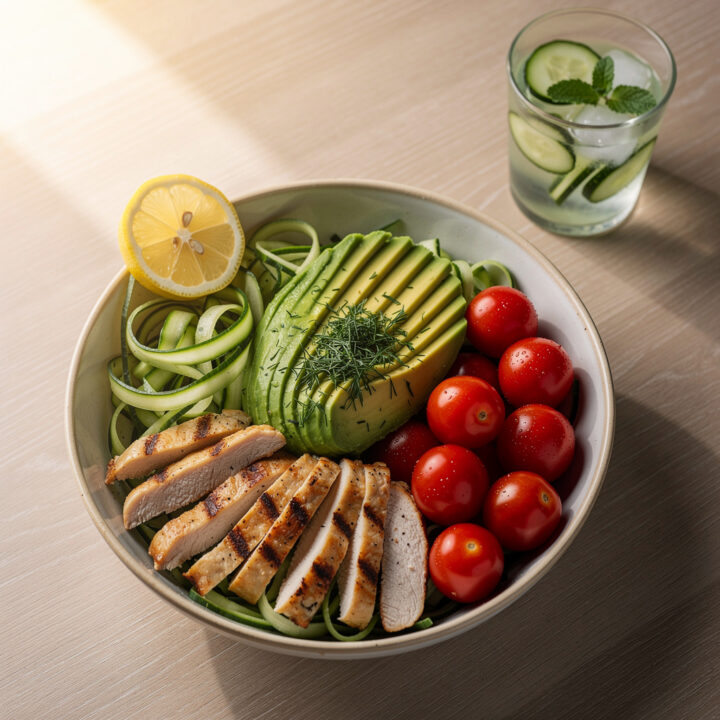
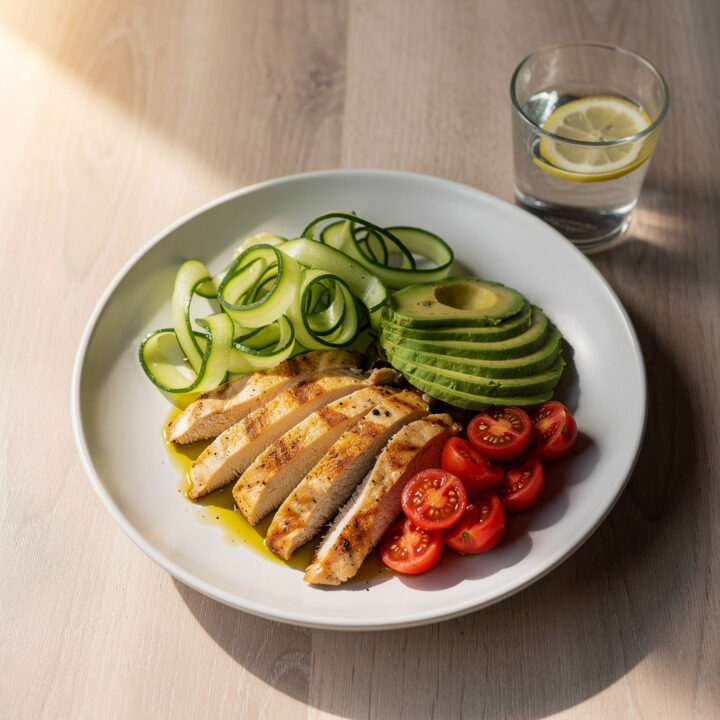
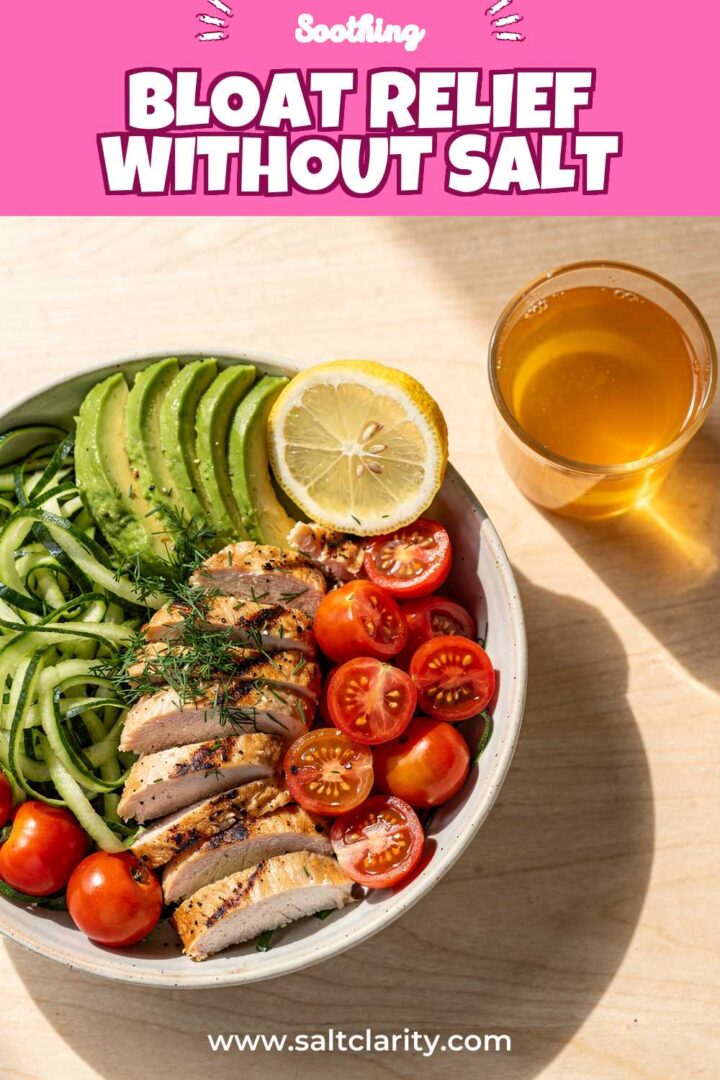
- Large salad with grilled chicken breast, avocado slices, cucumber, and a splash of apple cider vinegar dressing (try references like the Pink Salt Lemon Detox Drink for simple inspiration).
Afternoon:
- Keep sipping room-temperature water-aim for about 64 oz over the whole day, distributed evenly.
Movement:
- A 15-20 minute walk to encourage lymphatic circulation and speed up fluid balance.
High-potassium foods to include:
| Food | Serving Size | Potassium (mg) |
|---|---|---|
| Banana | 1 medium | 420 |
| Avocado | Half | 487 |
| Sweet potato | ½ cup cooked | 448 |
| Spinach | 1 cup cooked | 839 |
| White beans | ½ cup cooked | 502 |
This potassium helps your body nudge sodium out and ease the swelling.
For Digestive Bloat (The "Gassy" Feeling)
Here, it's all about calming and supporting digestion with gentle stomach-soothing remedies. Carminative herbs are your new best friends:
- Peppermint tea: The menthol relaxes the smooth muscle lining your digestive tract, easing cramps and spasms.
- Ginger: Fresh slices or ginger tea stimulate gastric emptying, helping food move along faster to prevent sluggishness.
- Fennel seeds: Chew a teaspoon after meals as a natural gas buster.
Here's a precise Carminative Tea recipe to try during bouts of discomfort (adapted from traditions like those found in Salt Clarity's Pink Himalayan Salt Water Flush Recipe):
- 1 teaspoon crushed fennel seeds
- ½ teaspoon dried peppermint leaves
- 3 thin slices of fresh ginger root
Steep in 10 oz hot water for 10 minutes, strain, and sip slowly.
For longer-term management, consider a low-FODMAP diet approach to identify any food triggers like garlic, onions, or wheat that cause excess gas or bloating.
The Bloat-Friendly Plate: Building Meals That Prevent Discomfort
The best way to dodge bloating? Build meals with intention using a simple, flexible formula.
The Balanced Plate Formula
Visualize your plate divided like this:
- 50% non-starchy, low-FODMAP vegetables such as cucumber, zucchini, and bell peppers. These pack fiber while keeping bloat low.
- 25% lean protein - think grilled chicken, fish, tofu, or eggs - giving your muscles and metabolism the fuel they need.
- 25% complex, well-cooked carbohydrates like white rice, quinoa, or sourdough bread for steady energy without digestive overload.
This plate design helps steady digestion while avoiding inflammation and excessive sodium, fostering natural, gentle support for the digestive system.
Sample Meal & Snack Ideas
De-Bloat Smoothie:
- Cucumber, pineapple (sweet and bromelain-rich for digestion), fresh ginger, and coconut water blended until smooth. It's hydrating, light, and full of digestive enzymes.
Digestive Lunch Bowl:
- Herb-baked chicken with rosemary and thyme, served over white rice and steamed carrots drizzled with lemon juice. Crunch + cream + zip in every bite, without extra salt stress.
Papaya Snack:
- Sliced papaya containing papain enzyme that assists protein digestion. Easy, naturally sweet, and soothing to the gut.
Plus, these meals work well with pink Himalayan salt recipes where you want micro-seasoning-a tiny, thoughtful pinch to awaken flavors without drowning your dish in sodium. For example, a light sprinkle of pink Himalayan salt on avocado slices can make a huge flavor difference with minimal sodium impact.
Print
Bloat Relief Without Salt
A gentle, science-backed one-day plan to flush excess sodium and relieve water retention bloating. This reset uses high-potassium foods, strategic hydration, and light movement to help your body naturally release retained fluid and feel lighter.
- Total Time24h
- Yield1 day plan 1x
Ingredients
- 16 oz warm water
- Juice of ½ lemon
- ½ cup rolled oats
- 1 medium banana, sliced
- 1 cup unsweetened coconut water
- ¼ cup roasted pumpkin seeds
- 4 oz grilled chicken breast
- 2 cups mixed greens (spinach, arugula)
- ½ avocado, sliced
- ¼ cucumber, sliced
- 1 tbsp apple cider vinegar
- 1 tsp extra virgin olive oil
- ½ cup cooked white rice or quinoa
- ½ cup steamed carrots
- 64 oz room temperature water (for sipping throughout day)
- 1 tsp fennel seeds
- ½ tsp dried peppermint leaves
- 3 thin slices fresh ginger root
- 10 oz hot water
Instructions
- Upon Waking: Drink 16 oz warm water mixed with the juice of half a lemon.
- Breakfast: Prepare oatmeal according to package directions using water. Top with sliced banana.
- Morning Snack: Sip coconut water and enjoy a small handful of roasted pumpkin seeds.
- Lunch: Assemble a large salad with mixed greens, grilled chicken, avocado, and cucumber. Whisk apple cider vinegar with olive oil for dressing and drizzle over salad.
- Afternoon: Consistently sip room temperature water, aiming for 64 oz total by evening.
- Movement: Take a 15-20 minute gentle walk to encourage circulation.
- Dinner: Serve herb-baked chicken (seasoned with rosemary and thyme) over white rice or quinoa with steamed carrots. Squeeze fresh lemon juice over the plate.
- For Digestive Comfort (if needed): Prepare carminative tea by steeping crushed fennel seeds, peppermint leaves, and ginger slices in hot water for 10 minutes. Strain and sip slowly.
Notes
This plan is designed for occasional water retention bloat relief. For digestive gas bloat, focus on the carminative tea and consider a low-FODMAP approach. Consult a healthcare provider if bloating is severe or persistent.
- Prep Time: 15min
- Cook Time: 30min
- Category: meal
- Method: Blending, Boiling, Steaming
- Cuisine: Wellness
Nutrition
- Serving Size: 1
- Calories: 1450
- Sugar: 48
- Sodium: 350
- Fat: 62
- Saturated Fat: 12
- Unsaturated Fat: 42
- Trans Fat: 0
- Carbohydrates: 165
- Fiber: 28
- Protein: 65
- Cholesterol: 95
Beyond Food: Essential Lifestyle Leverages
Bloat relief without salt isn't just what you eat-it's when, how, and how you move through your day, too.
Hydration Timing & Quality
Forget chugging big glasses in one go. Steady sipping of room temperature or warm water throughout the day helps your kidneys flush excess sodium gently.
Why warm water? It's kinder to digestion, helps dissolve fat deposits smoothly, and avoids the muscle contractions ice water can provoke. Think of it like a slow-release financial plan for your body-it avoids sudden spikes and dips.
Movement as Medicine (Not Just Exercise)
You don't need a gym session when dealing with bloat. Instead, try:
- Knees-to-chest pose lying on your back, hugging your legs gently to massage the colon.
- A seated torso twist to encourage movement in the intestines.
- A casual 10-15 minute walk after meals to aid digestion and circulation-much better than intense workouts when you're feeling puffy or sluggish.
The Stress-Bloat Connection
Stress inhibits digestion more than most realize. Your nervous system controls digestion through a direct gut-brain connection.
Try diaphragmatic breathing aka belly breathing for two minutes when bloated. Inhale deeply through your nose into your belly, pause, then exhale slowly through pursed lips. It slows your heart rate, calms the nervous system, and helps your digestive tract relax.
When to Pause Home Remedies and Seek Help
Most bloating is benign and manageable at home, but know when to see a healthcare professional:
- Severe, persistent abdominal pain
- Unexplained weight loss
- Significant and sudden changes in bowel habits, especially blood in stool
- Bloating that gets steadily worse and isn't tied to anything you eat
Don't hesitate to get checked if symptoms alarm you-it's always best to be safe.
Conclusion
Sustainable bloat relief without salt is a journey built on smart food choices, knowing your body's signals, and enhancing your lifestyle with gentle, effective tools. Focus on mastering a salt-free flavor toolkit, tuning in to your unique bloat type, assembling balanced, digestible meals, and incorporating mindful hydration and movement.
Tiny pink-salt pinches bring big flavor, but learning when and how to hold that shaker solidifies lasting comfort and joy in eating. Try smarter, not stricter, and give your digestive system the care it deserves.
Let me know how it turned out in the comments! Don't forget to tag @SaltClarity on Pinterest with your favorite no-salt flavor combos or bloat-friendly meals.
For more gentle cleanses and digestive support, check out the Pink Salt Lemon Detox Drink, the Pink Salt Sole for Cleansing, and my 24 Hour Detox Plans.
Now, take that cozy feeling in your gut back where it belongs-right at home.
FAQs about Bloat Relief Without Salt
Gentle exercises like walking, yoga, or stretching can provide quick bloat relief. Peppermint tea and abdominal massage are also known to help with gas and bloating. Always consult a doctor for persistent issues.
Bloating without weight gain is often caused by excess gas production or fluid retention in the digestive tract. This can stem from food intolerances, digestive disorders like IBS, constipation, or changes in gut bacteria. Eating too quickly or consuming carbonated drinks can also contribute.
While completely debloating in 5 minutes might be unrealistic, you can try quick techniques for mild relief. Gently massage your abdomen in a clockwise direction, drink a glass of water with lemon, or try a quick breathing exercise. These can help to stimulate digestion and release trapped gas.
To reduce bloating in 24 hours, focus on easily digestible foods, avoid carbonated drinks, and drink plenty of water. Gentle exercise, peppermint tea, and over-the-counter gas relief medications can also help. Identify and avoid any foods that you know trigger your bloating.
Certain drinks can help alleviate bloating. Peppermint tea and ginger tea are known for their digestive benefits. Lemon water can also stimulate digestion and help reduce water retention contributing to bloating.
Foods that are low in FODMAPs (fermentable oligosaccharides, disaccharides, monosaccharides, and polyols) are generally easier to digest and can help reduce bloating. Good choices include bananas, blueberries, spinach, and quinoa. Probiotic-rich foods like yogurt (if dairy isn't an issue) and kefir can also support healthy digestion and reduce bloating over time.
💬 Let's Stay Connected!
For daily recipes, kitchen tips, and exclusive content, follow me on:
👉 Facebook for behind-the-scenes & community fun
👉 Pinterest for visual inspiration & meal ideas
👉 X (Twitter) for quick tips & trending recipes
📲 Join the flavor journey, your next favorite recipe is just a follow away!
Leave a Reply