
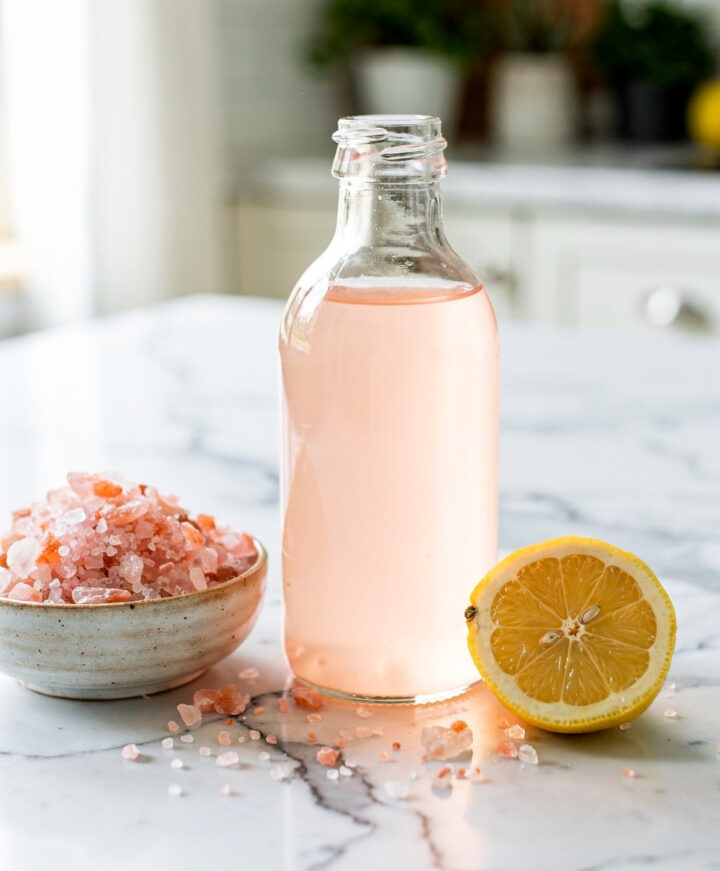
Making a DIY pink Himalayan salt electrolyte concentrate once a week means you never have to measure, mix, or think about hydration again, just a spoonful into water and you're done.
I built this routine after getting tired of making my daily pink Himalayan salt electrolyte drink from scratch every morning. One focused session on Sunday replaced seven repetitive ones. Same precision, same mineral formula, just compressed into a single batch that lasts all week.
What you'll find here is the exact concentrate recipe with measured ratios, storage guidelines, flavor options, and the mineral science behind why each ingredient earns its place. No artificial additives, no sugar crash, no guesswork. A formula built for a regular kitchen, a regular budget, and a routine you'll actually stick to.
If you've been reaching for store-bought electrolyte drinks out of convenience rather than preference, this is the smarter alternative you've been looking for.
Jump to:
- Diy Pink Himalayan Salt Electrolyte Concentrate
- Why Use Pink Himalayan Salt in DIY Pink Himalayan Salt Electrolyte Concentrate? The Science Behind the Minerals
- Understanding Electrolytes: Sodium, Potassium & Magnesium Roles Explained
- The Master Recipe: Precise DIY Pink Himalayan Salt Electrolyte Concentrate
- Flavoring & Palatability: Making Your DIY Pink Himalayan Salt Electrolyte Concentrate Enjoyable
- Safe Usage Guidelines & Contraindications for DIY Pink Himalayan Salt Electrolyte Concentrate
- Storage, Shelf Life, and Bulk Preparation Tips
- Custom Variations for Different Needs and Preferences
- Conclusion
- FAQs about Diy Pink Himalayan Salt Electrolyte Concentrate
Diy Pink Himalayan Salt Electrolyte Concentrate
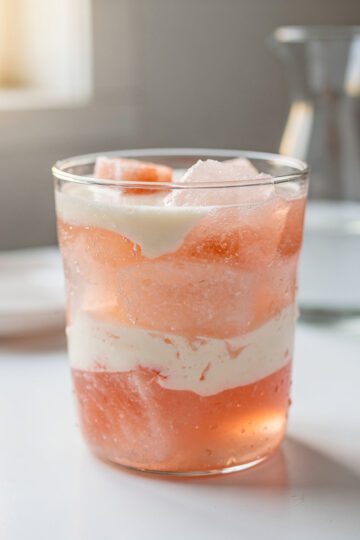
A precise, science-backed electrolyte concentrate for hydration. This recipe provides balanced sodium, potassium, and magnesium in a base you dilute with water. It uses clean ingredients and is customizable with natural flavors.
- Total Time10min
- YieldApproximately 1 liter of concentrate 1x
- DietGluten Free
Ingredients
- 1 liter filtered water
- 6 grams Pink Himalayan salt (about 1 teaspoon)
- 3 grams potassium chloride powder (such as No-Salt)
- 1.2 grams magnesium glycinate powder
- 20 grams glucose (table sugar or dextrose)
Instructions
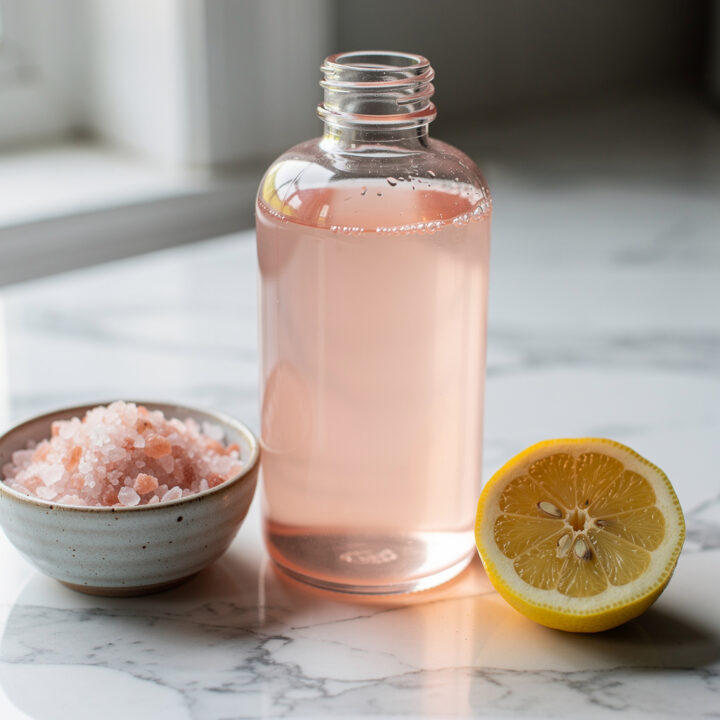
- Pour 1 liter of filtered water into a clean glass bottle or jar.
- Using a digital kitchen scale, precisely weigh and add the Pink Himalayan salt, potassium chloride powder, magnesium glycinate powder, and glucose.
- Seal the container tightly and shake vigorously until all powders are completely dissolved. If needed, let the mixture sit for a few minutes and shake again to ensure no sediment remains.
- For optional flavoring, you can add a splash of fresh citrus juice (like lemon or lime) or a few slices of ginger directly to the concentrate. Shake to combine.
- Label the bottle with the date. Store the concentrate in the refrigerator. To serve, mix 1 tablespoon (15 ml) of the concentrate with 500 ml of water. Adjust dilution to taste.
Notes
This concentrate is a base meant to be diluted. Do not drink it straight. For a sugar-free version, replace the glucose with a non-caloric sweetener like stevia, but note this may slow electrolyte absorption. Consume within 2-3 weeks when refrigerated. Consult a healthcare provider before use if you have kidney, heart conditions, or are on medication.
- Prep Time: 10min
- Cook Time: 0min
- Category: beverage
- Method: Mixing
- Cuisine: Global
Nutrition
- Serving Size: 1
- Calories: 80
- Sugar: 20
- Sodium: 2400
- Fat: 0
- Saturated Fat: 0
- Unsaturated Fat: 0
- Trans Fat: 0
- Carbohydrates: 20
- Fiber: 0
- Protein: 0
- Cholesterol: 0
Why Use Pink Himalayan Salt in DIY Pink Himalayan Salt Electrolyte Concentrate? The Science Behind the Minerals
The Trace Mineral Profile: Myth vs. Reality
Pink Himalayan salt is often praised for having 84 trace minerals, from calcium and potassium to magnesium and iron, lending it that rosy hue and the label of a "super salt." But let's pause for a reality check. In terms of bioavailable minerals that actually influence electrolyte balance, most of those trace elements exist only in trace (pun intended) amounts, far below what makes a physiological difference.
Comparing it with standard table salt and sea salt, table salt is primarily sodium chloride with added iodine and anti-caking agents. Sea salt may contain slightly more minerals than table salt, but like pink Himalayan salt, its trace minerals are minimal for electrolyte function and often variable due to sourcing and processing inconsistencies.
For electrolyte hydration, the key player is sodium. Pink Himalayan salt does offer sodium in roughly the same concentration as table salt, about 390 to 410 mg of sodium per level ¼ teaspoon (around 1.5 grams), though variability can occur based on crystal size and purity. The secondary minerals like potassium and magnesium are present but in quantities too tiny to count on alone for electrolyte replenishment. That's why, when creating a pink Himalayan salt electrolyte drink recipe, you'll add dedicated potassium and magnesium supplements to hit the right hydration marks.
The takeaway? Pink Himalayan salt adds mild mineral complexity and a pinch of natural flavor that makes hydration enjoyable, but it's not a cure-all mineral source by itself. Its true value shines in complementing a balanced electrolyte formula with precisely measured potassium and magnesium.
Does Pink Himalayan Salt Improve Electrolyte Balance?
In hydration, sodium's role is king. Sodium within pink Himalayan salt supports fluid retention and nerve-muscle communication, so it contributes directly to electrolyte balance. However, on its own, no form of salt will fully rebalance electrolytes after sweat losses or dehydration without adequate potassium and magnesium.
Scientific evidence suggests that while pink Himalayan salt can replace sodium lost in sweat effectively, it does not significantly outperform table salt regarding absorption or hydration outcomes. The benefit is more in the clean, natural sourcing and subtle mineral trace elements, which enhance flavor and offer micro-seasoning benefits without overwhelming your sodium budget.
For hydration concentrate makers, pink Himalayan salt is the preferred choice because it provides sodium with a gentler flavor profile, a small mineral bonus, and that beautiful hue that feels like self-care in a glass. It's about smart seasoning of your water to make sipping something you look forward to.
Understanding Electrolytes: Sodium, Potassium & Magnesium Roles Explained
How Electrolytes Support Cellular Hydration & Muscle Function
Electrolytes keep you alive. Sodium, potassium, and magnesium work together with your cells' walls to regulate fluid balance, support nerve impulses, and ensure muscles contract and relax smoothly. Here's the scoop:
- Sodium and potassium drive the sodium-potassium pump, a cellular mechanism that moves these ions in and out of cells. This pump creates electrical signals for nerve function and maintains water distribution inside and outside your cells.
- When you sweat, you lose sodium the most, but also potassium and magnesium, so replenishing these in the right balance is essential to avoid cramping, dizziness, or fatigue.
- Glucose (or sugar) plays a crucial supporting role, it partners with sodium to facilitate absorption through sodium-glucose co-transporters in the intestines, helping your body pull electrolytes and water into circulation more efficiently.
- Magnesium relaxes muscles, prevents cramps, and supports energy production. If you've ever felt post-exercise tightness, this mineral is often a key player.
Knowing these roles helps you appreciate why a DIY pink Himalayan salt electrolyte concentrate needs more than salt, it needs potassium and magnesium, plus a bit of glucose for absorption.
Choosing Magnesium: Citrate vs. Glycinate for Your Concentrate
Magnesium supplements come in various forms with different effects on the gut and body. The two popular powders you see in recipes or supplements are:
Magnesium citrate: Highly bioavailable but can have a laxative effect if taken in high doses because it draws water into the intestines. Useful if occasional gentle bowel support is needed but not ideal for daily hydration concentrates unless carefully dosed.
Magnesium glycinate: The gentle giant. Highly absorbable, less likely to cause digestive upset, and great for daily use in hydration formulas. It's a bit pricier but worth it if your goal is steady electrolyte replenishment without surprises.
For your DIY pink Himalayan salt electrolyte concentrate, magnesium glycinate powder is my recommendation. It mixes well, minimizes bitterness compared to citrate, and keeps your gut happy while providing muscle benefits. If you use citrate, keep doses low and monitor your response.
The Master Recipe: Precise DIY Pink Himalayan Salt Electrolyte Concentrate
Ingredients with Exact Measurements (mg and grams)
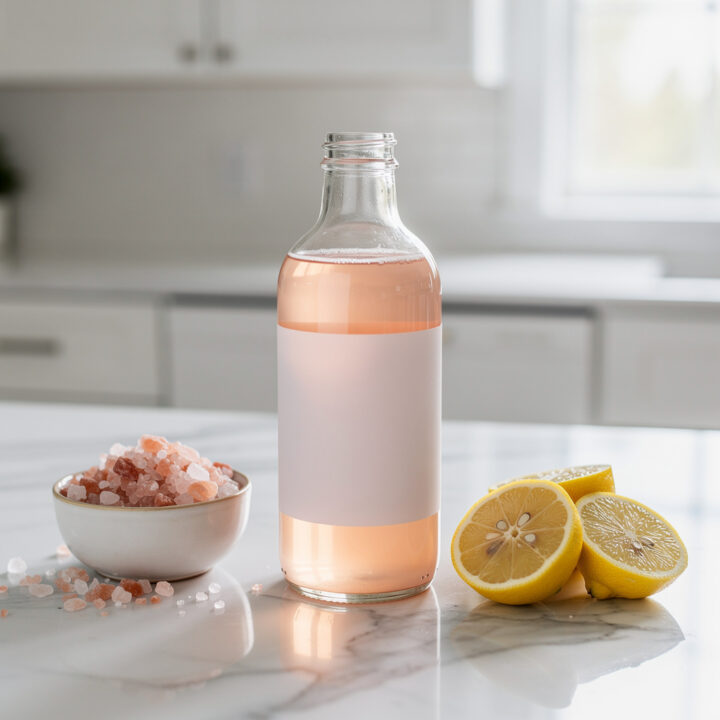
Here's the science-backed recipe designed to yield a stable, effective concentrate that you dilute before drinking, with each serving hitting hydration-friendly electrolyte targets ~400 mg sodium, ~250 mg potassium, and ~75 mg magnesium:
| Ingredient | Amount (per 1 liter concentrate) | Notes |
|---|---|---|
| Pink Himalayan salt | 6 grams (~1 tsp) | ~2400 mg sodium* |
| Potassium chloride (No-Salt) | 3 grams | ~2000 mg potassium |
| Magnesium glycinate powder | 1.2 grams | ~75 mg elemental magnesium |
| Glucose (table sugar or dextrose) | 20 grams | Supports sodium absorption |
| Filtered water | 1 liter | Base for concentrate |
*Note: Sodium content can vary with crystal density, use a digital scale for consistency.
Step-by-Step Instructions for Making DIY Pink Himalayan Salt Electrolyte Concentrate
- Start with 1 liter of filtered water at room temperature. Cold water slows dissolution.
- Weigh out your Pink Himalayan salt precisely. Use 6 grams to ensure ~2400 mg sodium in your concentrate.
- Add 3 grams potassium chloride powder (often sold as No-Salt), this boosts potassium without altering flavor drastically.
- Carefully measure 1.2 grams magnesium glycinate powder. Avoid clumps by sifting if needed.
- Add 20 grams glucose. This small dose is critical for efficient sodium transport in your intestines and gives a mild sweetness.
- Stir vigorously with a spoon or glass whisk until all powders fully dissolve. If needed, warm the water slightly but avoid boiling.
- Optional: Add freshly squeezed citrus juice (see flavoring tips below) or infused herbs at this stage to mellow the concentrate.
- Transfer to a clean glass bottle with a tight lid, label with date, and refrigerate.
This concentrate is your foundational "syrup." Mix approximately 1 tablespoon (15 ml) of concentrate per 500 ml of water to create balanced electrolyte hydration drinks anytime.
Try this Pink Himalayan Salt Electrolyte Drink for ready-to-drink ideas using this base.
Flavoring & Palatability: Making Your DIY Pink Himalayan Salt Electrolyte Concentrate Enjoyable
Natural Flavor Enhancers: Citrus, Ginger, and Herbal Infusions
Electrolyte concentrates can taste a bit clinical if you only rely on salts and sugars. Natural flavor enhancers open a world of delight:
- Citrus: Lemon, lime, or a splash of orange juice brighten the concentrate, reduce perceived bitterness, and add refreshing zip.
- Ginger: A few thin slices steeped in the concentrate for 15-20 minutes introduce gentle warmth and aid digestion.
- Herbal infusions: Fresh mint, rosemary, or basil leaves can add complexity and mask mineral roughness without artificial flavors.
- You can also add a small splash of vanilla extract or cinnamon stick for subtle sweetness and aroma.
Avoid artificial flavor drops or powdered mixes loaded with fillers, they detract from your clean hydration mission.
For more flavor ideas, check out the Pink Himalayan Salt Electrolyte Drink Hot Weather article for sunny day inspiration.
Sweetener Options: Sugar, Honey, Maple Syrup, and Non-Caloric Alternatives
Glucose supports electrolyte transport but sugar choices change the game:
- Table sugar (sucrose) or dextrose (glucose powder): Quick gut absorption and effective co-transport partner. Standard choice for energy and hydration.
- Honey or maple syrup: Adds antioxidants and minerals but varies in glucose content. Use sparingly to avoid excessive sweetness.
- Non-caloric sweeteners (stevia, monk fruit): They don't support sodium absorption like glucose but can reduce overall sweetness when combined with small sugar amounts.
- Sugar alcohols (erythritol): Limited absorption, may cause digestive upset in sensitive individuals.
For fasting or keto-friendly versions, skip sugars or use minimal glucose paired with MCT oil or lemon to quench cravings, though keep in mind absorption slows without glucose.
Safe Usage Guidelines & Contraindications for DIY Pink Himalayan Salt Electrolyte Concentrate
Recommended Dosage & Electrolyte Limits per Serving and Day
One tablespoon (15 ml) of this DIY Pink Himalayan Salt Electrolyte Concentrate diluted in 500 ml water provides approximately:
- Sodium: ~360 mg
- Potassium: ~300 mg
- Magnesium: ~75 mg
These amounts fit well within standard hydration guidelines for most adults and endurance athletes during moderate exercise.
Daily electrolyte intake upper limits to watch:
- Sodium: 2300 mg (general upper daily limit)
- Potassium: 4700 mg (often lower if kidney issues exist)
- Magnesium: 350-400 mg supplemental (diet plus supplement)
Stick to no more than 2-3 servings per day of the concentrate unless guided by a healthcare or sports nutrition specialist.
Who Should Avoid or Consult Before Use the DIY Pink Himalayan Salt Electrolyte Concentrate?
- Individuals with kidney or heart disease: Electrolyte imbalances pose risks. Check with your doctor.
- Those on blood pressure medications or diuretics: Potassium levels can become dangerous when altered suddenly.
- Anyone with a history of hyperkalemia or magnesium sensitivity: Avoid high supplemental doses without supervision.
- People with severe gastrointestinal conditions: Magnesium citrate may aggravate symptoms.
If you're unsure or on medication, a quick consultation ensures safety. Making your own electrolyte concentrate is empowering but should not replace medical advice when necessary.
Storage, Shelf Life, and Bulk Preparation Tips
How to Store Your DIY Pink Himalayan Salt Electrolyte Concentrate Safely
Store your DIY pink Himalayan salt electrolyte concentrate in a clean glass container with a tight lid. Avoid plastic containers that can leach chemicals or harbor odors.
Keep refrigerated to prevent bacterial growth and slow any mineral precipitation. Always use a clean spoon or measuring tool, no double-dipping!
Shelf Life Expectations and Signs of Spoilage
Refrigerated concentrate will last:
- Up to 2-3 weeks safely, depending on preparation hygiene and added fresh flavorings.
Signs it's time to toss:
- Cloudiness or sediment that doesn't re-dissolve when shaken
- Off or sour smell
- Mold or discoloration on the container or liquid surface
If using herbal infusions or fresh juice, consume sooner and keep batches smaller.
Scaling Up: Making Large Batches & Portioning for Convenience
For busy weeks or larger households, bulk concentrate saves time:
- Multiply the recipe by up to 5 liters but keep ingredient ratios strict.
- Use large glass jars or food-safe bottles with volume markers to measure servings easily.
- Portion daily servings into small bottles or reusable pouches for grab-and-go hydration.
- Label batches with date and ingredients to monitor freshness.
Bulk prepping pairs well with prepping meals and snacks. Try pairing your concentrate with balanced, flavorful meals featuring plenty of fiber and protein to sustain hydration and fullness.
Custom Variations for Different Needs and Preferences
Low-Sugar or Sugar-Free Versions for Keto and Fasting
Replace glucose with a small amount of non-caloric sweeteners like stevia or monk fruit plus a splash of fresh lemon to keep the concentrate enjoyable.
Remember, without glucose to facilitate sodium transport, hydration uptake may be slower, but still effective for many on fasting regimens.
For more on designing fasting-friendly hydration, check out the electrolyte concentrate for fasting hydration concept.
Higher Electrolyte Concentrations for Endurance Athletes
If you sweat heavily or train long:
- Double potassium chloride to 6 grams per liter (max caution advised)
- Increase sodium slightly but keep within 500 mg per serving to prevent stomach irritation
- Consider adding magnesium citrate cautiously for quick replenishment, but balance with glycinate to minimize laxative effects.
Revisit electrolyte ratios based on how heavy your sweat is and consult sports nutrition guidelines or professionals for customized plans.
Flavor Profiles for Kids, Office, or Daily Hydration
- Kids: Lower sodium slightly, replace potassium chloride with fruit powders (like tart cherry) for natural potassium, and sweeten mildly with honey or maple syrup.
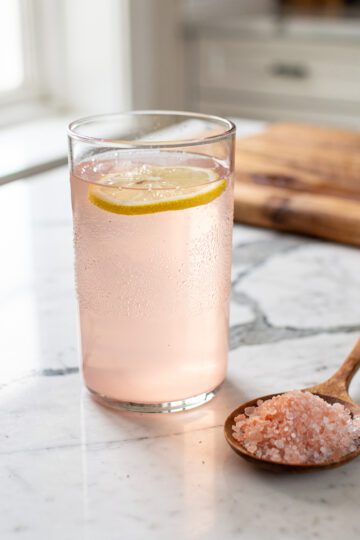
- Office: Add sparkling water or a splash of herbal tea concentrate with citrus for a refreshing pick-me-up without excess sugar.
- Daily hydration: Mildly sweetened versions with added cucumber or mint infusions keep water interesting and encourage sipping throughout the day.
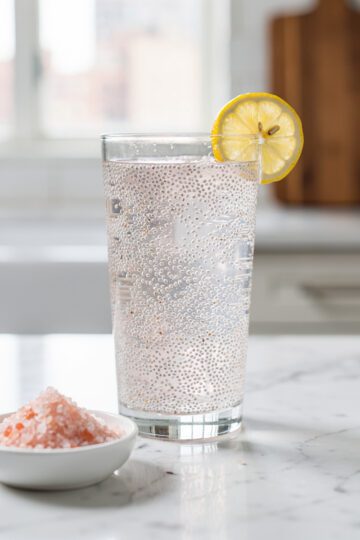
Try incorporating your homemade concentrate into new drinks like the Sparkling Pink Himalayan Salt Electrolyte Drink or mixing with natural coconut water recipes to expand your hydration options as in Coconut Water Pink Himalayan Salt Electrolyte.
Conclusion
Making your own DIY Pink Himalayan Salt Electrolyte Concentrate means crafting hydration that respects your body, your taste buds, and your schedule. You get precise, science-backed minerals, sodium, potassium, magnesium, in thoughtful ratios that support muscle function, fluid balance, and energy. Plus, you control sweeteners and flavors, ditch artificial junk, and save money compared to commercial brands like LMNT or Liquid IV.
This holistic guide gave you exact measurements, discussed mineral forms like magnesium glycinate, shared safety tips, and inspired flavor ideas, all tailored to create hydration you'll actually enjoy.
Try smarter, not stricter: experiment gently with this concentrate to fit your lifestyle, whether for endurance, fasting, or everyday refreshment. Love how your water tastes with tiny pink-salt pinches and natural zest, and know you're doing something truly nourishing.
Let me know how it turned out in the comments! And don't forget to tag @SaltClarity on Pinterest so I can see your glowing hydration creations.
For more pink Himalayan salt hydration recipes, the Pink Himalayan Salt Electrolyte Drink guide covers the full foundational protocol, and the Pink Himalayan Salt Electrolyte for Endurance Runs covers performance-specific ratios. For the POTS-specific dosing protocol and morning front-loading method, the pink himalayan salt electrolyte for POTS guide covers clinical sodium targets and a complete DIY drink recipe.
FAQs about Diy Pink Himalayan Salt Electrolyte Concentrate
The amount of pink Himalayan salt varies based on individual needs and preferences. A general guideline is to start with about ¼ to ½ teaspoon per liter of water. Adjust to taste and activity level, and be mindful of sodium intake.
Pink Himalayan salt contains trace minerals in addition to sodium and chloride, potentially offering a broader range of electrolytes compared to table salt. Electrolytes help regulate hydration, nerve and muscle function. A DIY electrolyte drink can be a cost-effective way to replenish these minerals, particularly after exercise.
Besides pink Himalayan salt, consider adding potassium sources like coconut water or cream of tartar, and magnesium sources such as Epsom salts (in very small, diluted amounts). You can also add natural sweeteners like honey or maple syrup, and flavorings like lemon or lime juice. Adjust ingredients according to your preferences and dietary needs.
Generally, making your own electrolyte concentrate is safe if done with accurate measurements and a clear understanding of the ingredients. Too much sodium, potassium, or magnesium can be harmful. It's always best to consult a healthcare professional or registered dietitian before making significant changes to your electrolyte intake.
Store your DIY pink Himalayan salt electrolyte concentrate in a clean, airtight container in the refrigerator. Properly stored concentrate should last for about a week. Discard if there are signs of spoilage, such as unusual odors or discoloration.
Homemade electrolyte concentrate allows for customization and control over ingredients, avoiding artificial sweeteners and additives often found in store-bought options. It is often more cost-effective, but requires careful attention to measurements and mineral balance. Store-bought options offer convenience and standardized electrolyte ratios, but may not suit individual preferences or dietary restrictions as well.
💬 Let's Stay Connected!
For daily recipes, kitchen tips, and exclusive content, follow me on:
👉 Facebook for behind-the-scenes & community fun
👉 Pinterest for visual inspiration & meal ideas
👉 X (Twitter) for quick tips & trending recipes
📲 Join the flavor journey, your next favorite recipe is just a follow away!
Leave a Reply