
Introduction
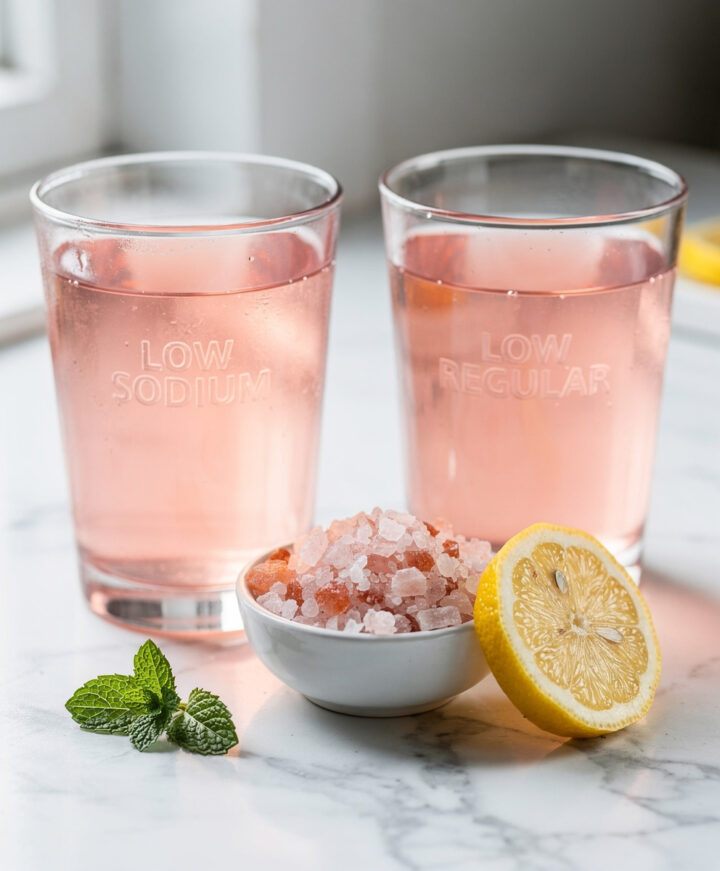
A common misstep is assuming all pink salt drinks are created equal, leading to over-salting. Knowing the precise sodium difference between low sodium and regular pink salt drinks prevents this salty disappointment.
Growing up in my Queens kitchen, I remember how my abuela would always say, listen for the sizzle when you drop salt on hot oil. That little trick taught me early on how seasoning really sets the tone for any dish or drink. These days, I'm often asked about pink salt drinks, especially whether to reach for regular pink salt or if a low sodium alternative is better. As a chef and food blogger passionate about helping folks enjoy healthy eating without the drama, I want to break down the real differences between low sodium vs. regular pink salt drinks.
Sodium is a key player in hydration, electrolyte balance, and even weight loss support, but there's a lot of confusion and myths swirling around pink Himalayan salt recipes for weight loss and hydration. Whether you want to manage blood pressure, optimize hydration for your workout, or just explore tasty DIY electrolyte drinks, this guide covers it all with practical advice, clear comparisons, and safe recipes. By the time you're done, you'll have the know-how to confidently pick or craft your ideal pink salt drink, no guesswork, no over-salting, just smart sipping.
Jump to:
- Introduction
- The Science of Sodium and Hydration
- Understanding Pink Salt: Composition and Claims
- Low Sodium vs. Regular Pink Salt Drinks: Detailed Nutritional Comparison
- How to Make and Use Low Sodium and Regular Pink Salt Drinks
- Who Should Choose Low Sodium vs. Regular Pink Salt Drinks?
- Storage, Shelf-Life, and Quality Considerations
- The Chemistry Behind Sodium Reduction in Pink Salt Drinks
- Conclusion
- FAQs about Low Sodium vs Regular Pink Salt Drinks
The Science of Sodium and Hydration
How Sodium Regulates Fluid Balance and Electrolytes
Sodium is the cornerstone of fluid balance in our bodies. Imagine your cells as tiny balloons sitting in a salty pool of water. If you add sodium inside or outside those balloons, water moves to balance the salt concentration. This process, called osmosis, keeps cells happily hydrated or warns you when they need water.
Besides fluid balance, sodium teams up with other electrolytes like potassium and magnesium to support nerve signaling and muscle function. Those little electrolytes are why athletes swear by sports drinks, and also why your heart keeps beating steadily. When electrolytes get out of whack, you feel cramps, fatigue, or dizziness, a clear sign your hydration needs adjustment.
In regular kitchens and busy lives, knowing how sodium interacts with water compartments is a game changer. Rather than guessing, you can make a pink Himalayan salt weight loss recipe or hydration drink that ticks the boxes: balanced electrolytes, just-right sodium levels, and added minerals.
Why Sodium Level in Drinks Matters, Risks and Benefits
Here's where things get interesting: sodium is great, but more is not always better. Higher sodium intake can increase blood pressure, especially in people who are salt-sensitive or hypertensive. So a regular pink salt electrolyte drink without care risks pushing those levels too high.
Athletes or folks sweating buckets? They generally need more sodium to replace heavy losses, so regular pink salt drinks can be a hero on workout days. But for daily hydration or blood pressure management, a low sodium pink salt drink might be the smarter, kinder choice.
Balancing the benefits and risks is about understanding your personal needs, activity level, health conditions, and wellness goals, and matching your salt drink accordingly. This balance is exactly why the low sodium vs regular pink salt drinks discussion matters so much.
Understanding Pink Salt: Composition and Claims
What Is Pink Himalayan Salt?
Pink Himalayan salt comes from ancient salt deposits found deep in the Khewra Salt Mine near the Himalayas. It has a distinctive rosy hue, thanks to trace amounts of iron oxide and other minerals. These minerals include magnesium, calcium, potassium, and iron, which give it an appealing mineral-rich image.
But here's the honest scoop: while pink salt contains a broad trace mineral profile, the actual quantities of these minerals per serving are tiny. These minerals do offer some flavor nuance and micro-nutritional hints, but they don't replace whole food sources in your diet.
Mineral Content vs. Sodium Content: Separating Facts from Marketing
Many pink Himalayan salt weight loss drink recipes market their mineral content as a superfood benefit. The reality? The trace minerals' contribution to daily mineral intake is nearly negligible compared to what your body needs.
What makes the bigger impact is the sodium content, which can still be high in regular pink salt. This means simply choosing pink salt won't solve your sodium intake concerns if you're drinking it regularly for hydration.
When we talk about low sodium vs regular pink salt drinks, it's vital to keep expectations realistic: the minerals add whiskers of flavor and texture, but it's sodium that primarily drives hydration and blood pressure effects.
Low Sodium vs. Regular Pink Salt Drinks: Detailed Nutritional Comparison
Sodium Content Per Serving: How Much Is "Low Sodium"?
Here's a clear table for your quick reference that cuts through the fog around sodium levels:
| Salt Type | Sodium (mg) per 1 teaspoon (5g) | Notes |
|---|---|---|
| Regular Pink Himalayan Salt | ~1,680 | Typical sodium content per tsp |
| Low Sodium Pink Salt Blend (K Salt)* | ~800–1,000 | Mixed with potassium salts, less sodium |
| Table Salt (Standard) | ~2,325 | For context, higher sodium than pink salt |
| Common Commercial Electrolyte Drink (per 8 oz serving) | ~110–350 mg | Often includes potassium, magnesium |
Note: Low sodium pink salt blends vary by brand and formulation but generally reduce sodium by nearly 50% by replacing part of the sodium chloride with potassium chloride or other mineral salts.
This breakdown removes the guesswork many pink himalayan salt for weight loss recipes leave out. It also allows you to choose a salt that fits your hydration and health goals, especially when combined with potassium and magnesium for better electrolyte balance.
Trace Mineral Comparison and Nutritional Relevance
When you compare trace minerals like calcium, magnesium, potassium, and iron across regular and low sodium pink salts, the differences are slight and their bioavailability in drinks is limited. Most minerals require food matrix contexts (like fiber and fat carriers) to digest and absorb well.
Regular pink salt may boast about up to 84 trace minerals, but the amounts per teaspoon are tiny. In contrast, DIY electrolyte drinks made with added potassium and magnesium salts provide more meaningful mineral loads supporting hydration and muscle function.
So if you want a recipe truly supporting hydration and weight management, focus on balancing sodium with potassium and magnesium, rather than relying on trace minerals in the salt alone.
How to Make and Use Low Sodium and Regular Pink Salt Drinks
Recipes and Mixing Ratios for Effective Hydration
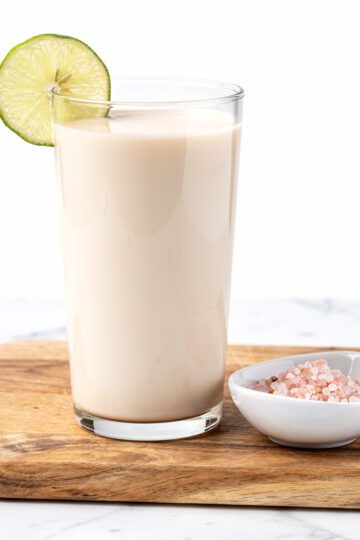
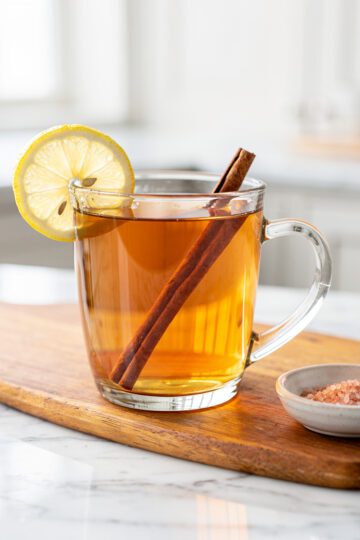
Let's keep it real: homemade pink salt drinks are your best friend to control how much sodium and electrolytes you consume. Here are safe and tested ratios for both low sodium and regular pink salt drinks:
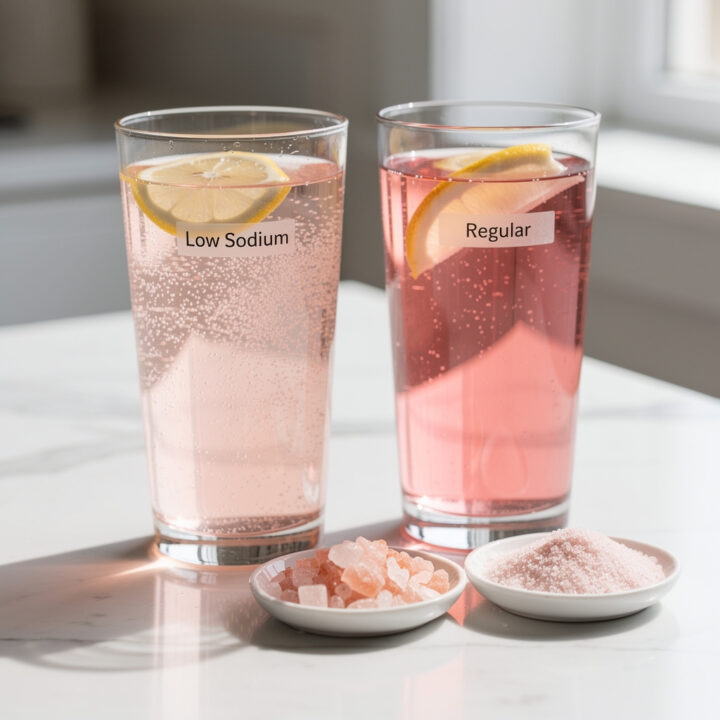
Regular Pink Salt Electrolyte Drink
- ¼ teaspoon regular pink Himalayan salt (~420 mg sodium)
- ¼ teaspoon potassium chloride (available as "NoSalt" or equivalents)
- ¼ teaspoon magnesium citrate powder (optional)
- Juice of 1 lemon or lime
- 1 liter filtered water (room temp or chilled)
- 1 tablespoon natural sweetener like honey or maple syrup (optional)
Low Sodium Pink Salt Electrolyte Drink
- ¼ teaspoon low sodium pink salt blend (~200-250 mg sodium)
- ½ teaspoon potassium chloride
- ¼ teaspoon magnesium citrate or magnesium glycinate powder
- Juice of ½ lemon
- 1 liter filtered water
- Natural sweetener to taste (optional)
Mix all ingredients well until salts dissolve completely. You can adjust flavors and sweetness to your liking but avoid increasing salt quantities to keep sodium levels balanced. These recipes avoid hypertonic effects that make you thirsty, favoring smooth cellular hydration and electrolyte replenishment.
For deeper hydration science and timing, check out my Pink Himalayan Salt Electrolyte Drink recipe which lays out precise sodium-to-water ratios for balanced hydration.
Tips for Safe Homemade Electrolyte Drinks
- Measure salts carefully with a kitchen scale or measuring spoons designed for small amounts.
- Start with lower sodium doses if you're new to electrolyte drinks: too much salt can cause bloating or increased thirst.
- Balance sodium with potassium and magnesium for maximal benefit.
- Avoid flavor "fixers" with added artificial ingredients or excessive sugar.
- Prepare fresh daily or store in tightly sealed glass bottles to preserve mineral integrity.
If you're wondering how to make pink salt sole water low sodium, it's a gentler ratio of salt dissolved in water for gradual sipping, favoured during fasting or light hydration days. My post on Pink Himalayan Salt Fasting Drinks dives into dosing nuances you'll find useful.
Who Should Choose Low Sodium vs. Regular Pink Salt Drinks?
Athletes and Active Individuals: When Sodium Needs Are Higher
If you sweat hard during workouts, playing sports or running outdoors, your sodium losses rise sharply. In this case, a regular pink salt electrolyte drink helps replace lost sodium efficiently, supports muscle contractions, and keeps cramps at bay.
Look for pink himalayan salt weight loss drink recipes that include potassium and magnesium alongside sufficient sodium to optimize cellular hydration and athletic performance. Avoid homemade drinks without this balance, your muscles will thank you.
Don't forget to factor in how much you sweat. If you're not sweating much, a low sodium option may still be fine post-exercise.
Those with Hypertension or Cardiovascular Concerns
For people managing blood pressure or heart disease risk, the focus shifts toward restricting sodium. Low sodium pink salt drinks can help maintain hydration without pushing sodium levels dangerously high.
A lower sodium electrolyte mix with boosted potassium and magnesium aligns better with dietary intake recommendations for blood pressure control. Avoid regular pink salt drinks with higher sodium doses unless supervised by a healthcare provider.
If you want to deepen your understanding here, my article on managing Sodium Limits Detox Drinks is a great companion for balancing detox goals with electrolyte needs.
General Wellness and Daily Hydration: Personalizing Your Choice
If your goal is balanced daily hydration and wellness support without special conditions or heavy activity, either option can work based on taste and tolerance.
Some people prefer the subtle mineral depth and savory flavor from regular pink salt, while others enjoy the softer taste and gentler sodium impact of low sodium blends.
Try both in small batches. Watch how your body feels, how your hydration responds, and choose what fits your routine sustainably, that's the real key to success.
For easy starter recipes tailored for daily use, check out my Pink Himalayan Salt Lemon Water, which can be customized for low sodium needs easily.
Storage, Shelf-Life, and Quality Considerations
How to Store Pink Salt Drinks Safely
Pink salt electrolyte drinks are best made fresh but can be stored safely for up to 24 hours in glass containers with airtight lids. Keep them refrigerated to preserve freshness and prevent microbial growth.
Avoid plastic bottles that may leach unwanted flavors or chemicals into your drink. Glass is a regular kitchen win here, clean, inert, and simple.
Effect of Storage on Mineral Stability and Taste
Over time, the delicate balance of minerals can shift slightly, especially if exposed to light or heat. Sodium and potassium remain fairly stable, but magnesium citrate and lemon juice can lose potency or flavor intensity over days.
For best taste and nutritional kick, prepare small batches based on your daily needs. This also helps avoid waste and keeps your hydration routine delightfully fresh.
The Chemistry Behind Sodium Reduction in Pink Salt Drinks
Understanding Sodium Extraction and Reduction Techniques
Low sodium pink salt blends often incorporate potassium chloride or other mineral salts mixed in with pink salt crystals. This creates a product with roughly 40-60% less sodium by weight.
In DIY drinks, sodium reduction means simply using less regular pink salt or replacing some sodium chloride with potassium salts in your recipes.
No magic extraction process is happening in your glass, it's all about careful formulation and awareness of how much sodium ends up in your final drink.
Impact on Taste and Electrolyte Balance
Reducing sodium can remove some of the "salty" punch you expect but, when balanced with potassium, magnesium, and a touch of acid (lemon or lime), low sodium drinks taste pleasantly mineral-rich without the harsh edge.
Proper electrolyte balance maintains muscle function, hydration, and nerve impulses effectively. Use small pink salt micro-seasonings in your drinks for flavor without overdoing sodium.
If you want to try a reliable pink Himalayan salt electrolyte drink with smart electrolyte balance, my recipe is a perfect next step.
Conclusion
The choice between low sodium vs. regular pink salt drinks hinges on your personal health, activity, and flavor preferences. Higher sodium versions suit athletes and heavy sweaters, while lower sodium blends benefit those managing blood pressure or daily hydration with fewer risks.
Understanding the real sodium content, trace mineral limits, and hydration science helps you make informed, enjoyable drinks that support your goals without guesswork. Remember, pink salt drink benefits come from context and balance, not hype or trend.
Try smarter, not stricter, by experimenting with the recipes and ratios shared here. Let me know how it turned out in the comments! Don't forget to tag @SaltClarity on Pinterest so I can see your creation and cheer you on.
For more hydration support and tasty salt-infused recipes, check out:
- Pink Himalayan Salt Electrolyte Drink
- Pink Himalayan Salt Fasting Drinks
- Sodium Limits Detox Drinks
- Pink Salt Cleanse vs Electrolyte Support
- Pink Himalayan Salt Lemon Water
With tiny pink-salt pinches, big flavor, and hydration that feels just right, you've got this.
FAQs about Low Sodium vs Regular Pink Salt Drinks
Pink Himalayan salt contains trace minerals that regular salt lacks, but the health benefits are minimal. The sodium content is nearly the same. Focus on overall sodium intake rather than solely relying on pink salt's mineral content.
Pink Himalayan salt contains roughly the same amount of sodium as regular table salt, about 390mg of sodium per gram. The difference in sodium content is negligible. Therefore, it should be used in moderation, just like regular salt.
Pink Himalayan salt is claimed to have some benefits due to its mineral content, such as improving hydration and balancing electrolytes. However, these benefits are generally not significant compared to obtaining minerals from a balanced diet. It primarily adds flavor to food like regular salt does.
Drinking pink Himalayan salt water daily is generally not recommended. It can lead to excessive sodium intake, potentially raising blood pressure. Consult a healthcare professional before making it a daily habit, especially if you have underlying health conditions.
Low-sodium salt is a salt substitute where some of the sodium chloride is replaced with potassium chloride. This reduces the sodium content compared to regular salt. It's often recommended for people trying to lower their sodium intake, but some individuals should avoid it (consult your doctor).
Excessive intake of any type of salt, including pink Himalayan salt, can be detrimental to kidney health. High sodium levels can increase blood pressure and strain the kidneys. Moderation is key, especially for individuals with pre-existing kidney conditions.
💬 Let's Stay Connected!
For daily recipes, kitchen tips, and exclusive content, follow me on:
👉 Facebook for behind-the-scenes & community fun
👉 Pinterest for visual inspiration & meal ideas
👉 X (Twitter) for quick tips & trending recipes
📲 Join the flavor journey, your next favorite recipe is just a follow away!
Leave a Reply