
Introduction
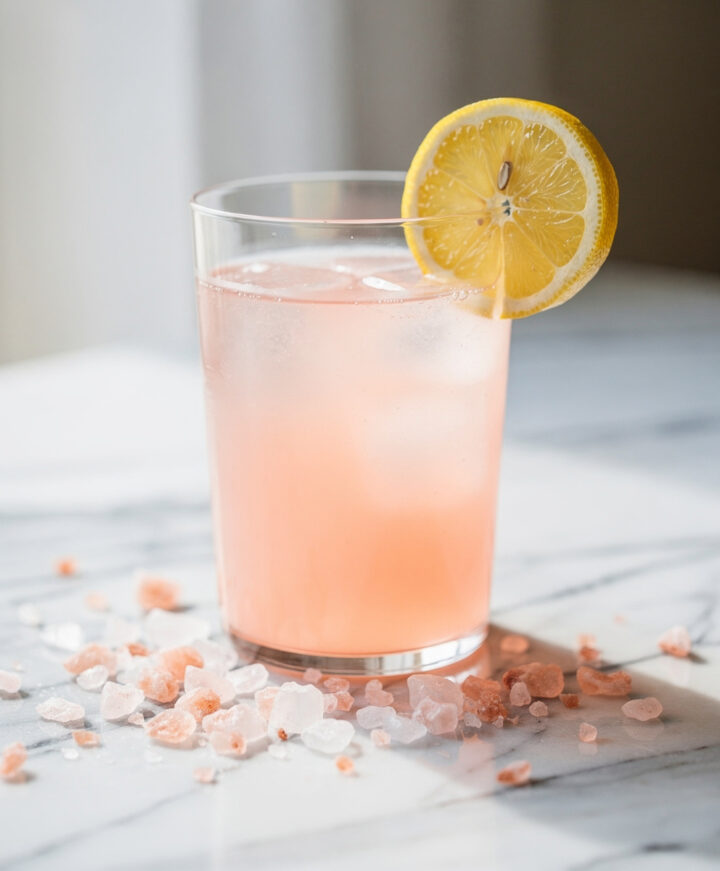
In Think of this not just as a remedy, but as a tonic to be crafted with care. Using a high-quality flake salt and a freshly squeezed Meyer lemon elevates this pink Himalayan salt and lemon recipe for migraines into a nuanced, almost gourmet hydrating elixir. Migraines are a real challenge-those pounding headaches, the unsettling aura, and sometimes nausea can turn anyone's day upside down. Over the years, in my Queens kitchen battling my own bouts, I've learned that sometimes, simple remedies rooted in everyday ingredients can offer some relief. Today, we're walking through the pink Himalayan salt and lemon recipe for migraines-a natural approach that combines flavor, science, and a touch of chef logic to support hydration and electrolyte balance.
This guide will take you through why this special salt and sharp citrus combo might help, how to make the drink right, and importantly, when to reach for other solutions. Because smart, simple food and attentive self-care should always feel joyful and doable, even on migraine days.
Jump to:
- Introduction
- Pink Himalayan Salt And Lemon Recipe For Migraines
- What Is Pink Himalayan Salt and Why Use It for Migraines?
- How to Prepare the Pink Himalayan Salt and Lemon Drink for Migraines
- Understanding the Theory: How Electrolytes and Hydration Might Impact Migraines
- Safety First: Dosage Guidelines and Important Precautions
- Integrating the Salt and Lemon Remedy into Your Migraine Management Plan
- Variations and Alternatives to the Basic Recipe
- Storage, Shelf Life, and Chemistry of the Salt-Lemon Drink
- Conclusion
- FAQs about Pink Himalayan Salt And Lemon Recipe For Migraines

Pink Himalayan Salt And Lemon Recipe For Migraines
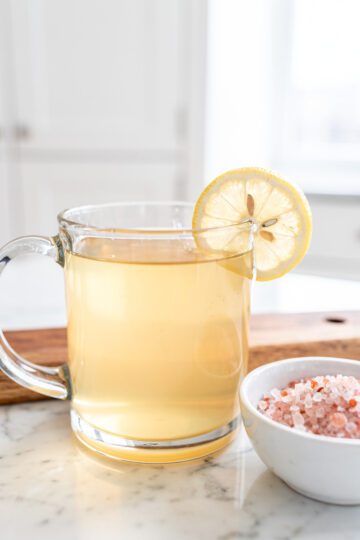
A simple, hydrating tonic designed to support electrolyte balance during a migraine. It combines warm water, fresh lemon juice, and a precise amount of pink Himalayan salt to create a soothing drink that may help alleviate symptoms when used as part of a broader management plan.
- Total Time2min
- Yield1 serving 1x
- DietVegan, Gluten Free
Ingredients
- 8 ounces (1 cup) warm water (about 100°F to 110°F)
- Juice of ½ fresh lemon (preferably Meyer lemon)
- ¼ teaspoon finely ground pink Himalayan salt
- 1 teaspoon raw honey or a few drops of stevia (optional, for sweetness)
Instructions
- Gently warm the water to the ideal temperature of 100°F to 110°F. Avoid using water that is too hot or too cold.
- Squeeze the juice from half a fresh lemon directly into the warm water.
- Add the ¼ teaspoon of finely ground pink Himalayan salt to the lemon water.
- Stir the mixture thoroughly until the salt is completely dissolved.
- Taste the drink. If desired, stir in the optional honey or stevia to balance the flavor.
- Consume immediately at the first sign of a migraine aura or headache for best results.
Notes
For daily preventive use, limit to one serving per day and monitor your sodium intake. This remedy is a supportive hydration aid, not a substitute for professional medical advice. Always consult a doctor for persistent or severe migraines.
- Prep Time: 2min
- Cook Time: 0min
- Category: snack
- Method: No-Cook
- Cuisine: Wellness
Nutrition
- Serving Size: 1
- Calories: 15
- Sugar: 3
- Sodium: 575
- Fat: 0
- Saturated Fat: 0
- Unsaturated Fat: 0
- Trans Fat: 0
- Carbohydrates: 4
- Fiber: 0
- Protein: 0
- Cholesterol: 0
What Is Pink Himalayan Salt and Why Use It for Migraines?
What Makes Pink Himalayan Salt Unique?
Pink Himalayan salt isn't just pretty salt mined from ancient sea beds nestled in the Himalayan mountains; it's mineral-rich salt with a delicate pink hue. Unlike standard table salt, which is mostly sodium chloride stripped of other minerals during processing, pink Himalayan salt carries up to 84 trace minerals including potassium, magnesium, and calcium. These electrolytes are crucial for maintaining the fluid and nerve function balance linked to migraine symptoms.
The fine pink Himalayan salt and lemon recipe for migraines hinges on these subtle mineral contributions. The sodium helps your body retain or regulate fluids during migraine-triggering dehydration episodes, while trace potassium and magnesium quietly support muscle and nerve function. It's important to note, though, that while these minerals suggest benefit, pink Himalayan salt's mineral content is modest and not a substitute for a balanced diet or magnesium supplements specifically targeted for migraine prevention.
Lemon's Role in the Recipe
Lemon juice brings a bright pop of vitamin C and antioxidants, which can help combat oxidative stress-something that might flare alongside migraines. But more practical for our pink Himalayan salt and lemon water recipe is lemon's influence on hydration and flavor: it encourages drinking enough fluids because, let's face it, pounding plain water can feel uninspiring during a migraine. Lemon also adds a slight alkalizing effect once metabolized, which can help balance the body's pH, although this effect is mild and often overstated online.
Additionally, lemon's natural acidity combined with the salt creates a refreshing and slightly tangy taste profile that makes it easier to maintain hydration, an essential factor to prevent and alleviate migraines.
How to Prepare the Pink Himalayan Salt and Lemon Drink for Migraines
Ingredients and Exact Measurements
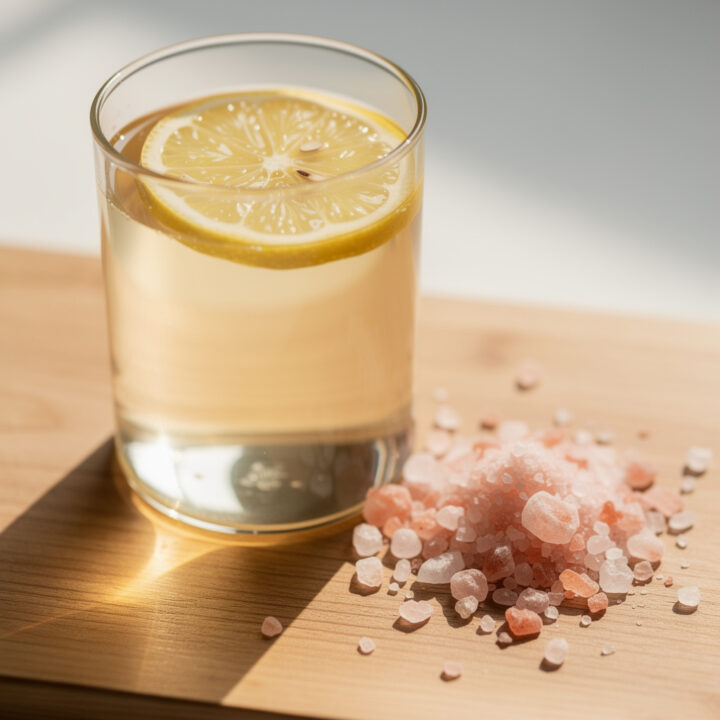
Precision here matters because too much salt can do more harm than good. For a safe, effective lemon and pink Himalayan salt water recipe, gather:
- ¼ teaspoon finely ground pink Himalayan salt (fine grind ensures better dissolution and avoids overly salty spots)
- Juice of half a fresh lemon (preferably organic or Meyer lemon for its sweeter, less acidic flavor)
- 8 ounces (1 cup) of warm water (about 100°F to 110°F) - warm water helps dissolve the salt quickly and feels soothing
Optional but nice: a teaspoon of raw honey or a few drops of stevia for slight sweetness if the lemon-salt combo feels too sharp.
Step-by-Step Preparation Instructions
- Warm the water gently - too hot can bitterness from the lemon, too cold slows salt dissolution. Around 100°F to 110°F is ideal.
- Squeeze fresh lemon juice into the warm water promptly to retain its vitamin C and bright flavor.
- Add the ¼ teaspoon of fine pink Himalayan salt and stir thoroughly until dissolved - a few tiny pink-salt pinches all around for flavor plus function.
- Taste and adjust cautiously. If it's too salty, add a splash more water or lemon juice.
- Optional: stir in honey or stevia for balance, especially during the pain phase when flavor comfort helps.
Best timing for consumption: Taking this lemon and pink Himalayan salt water recipe right at the aura phase or early headache stage may provide the best hydration boost. Drinking it throughout the day for prevention is fine but be mindful of daily sodium limits.
Understanding the Theory: How Electrolytes and Hydration Might Impact Migraines
Migraine Pathophysiology and Electrolyte Balance
Migraines are linked with complex neurological and vascular changes, but one common trigger is dehydration. When the body lacks water and electrolytes, nerve cells can misfire or blood vessels can constrict improperly-leading to pain and symptoms like aura or nausea.
Sodium, magnesium, and potassium play roles here:
- Sodium helps regulate blood volume and nerve signal transmission. During dehydration, sodium balance aids in maintaining fluid retention, preventing the severe drops in blood pressure and volume that can worsen migraines.
- Magnesium influences vascular tone and neurotransmitters like serotonin, both heavily involved in migraine development.
- Potassium supports cellular function and muscle relaxation, which may ease vascular tension.
The pink Himalayan salt and lemon recipe provides a gentle sodium boost and some trace minerals that can help replenish what's lost during migraine-triggering dehydration.
The Science (What We Know and What We Don't)
Clinical studies explicitly testing pink Himalayan salt and lemon water for migraines are sparse. Most information comes from anecdotal evidence and preliminary research linking hydration and electrolyte balance to fewer migraines.
There's modest data supporting magnesium supplementation in reducing migraine frequency, but few studies separate sodium's impact distinctly. Placebo effects can also sway outcomes, especially with natural remedies that improve routine hydration habits.
That said, the lemon and pink Himalayan salt water recipe offers a low-risk, flavorful route to better hydration, which is a cornerstone of migraine management. It may suit some migraine types-especially those triggered or worsened by dehydration-but it's not a guaranteed cure or replacement for proven medical therapies.
Safety First: Dosage Guidelines and Important Precautions
Sodium Intake Risks and Who Should Avoid This Remedy
While pinch-sized doses of pink Himalayan salt are generally safe, excessive sodium is a known risk factor for hypertension, kidney problems, and certain medication interactions (especially diuretics or blood pressure meds).
General guidance recommends adults limit sodium intake to about 2,300 mg per day. The ¼ teaspoon of fine pink Himalayan salt adds roughly 575 mg of sodium, so frequent or excessive use of this recipe could push daily limits.
People with:
- High blood pressure or hypertension
- Chronic kidney disease
- Heart disease
- Certain medications affecting fluid balance
should consult their healthcare provider before adding salt-based remedies regularly.
Signs of sodium overconsumption might include headache worsening, swelling, or unusual thirst, all warranting medical advice.
How Often to Use the Drink Safely
For acute migraine relief, a single serving at aura or pain onset is usually safe. For preventive daily use, limit to one serving per day and monitor your body's response. If you notice increased swelling, headache severity, or blood pressure changes, discontinue or seek medical advice.
Balancing hydration with clean water intake, electrolyte-rich foods, and medical treatments is best practice.
Integrating the Salt and Lemon Remedy into Your Migraine Management Plan
Other Natural Strategies to Complement This Remedy
The pink Himalayan salt and lemon recipe fits nicely alongside simple lifestyle strategies shown to support migraine management:
- Stress reduction: breathing exercises, meditation, or gentle movement to calm nervous triggers
- Trigger avoidance: identifying foods, scents, or habits that spark migraines and managing or avoiding them
- Sleep hygiene: consistent, restful sleep to prevent migraine onset
- Magnesium supplementation: proven in many studies to reduce migraine frequency
- Balanced diet: including potassium-rich plants, herbs, and whole foods
If your migraine days are tough, this salt and lemon water can be part of a daily ritual that also includes these natural strategies, alongside OTC medications or prescription treatments used as directed.
When to Seek Professional Medical Help
Migraines can mimic or mask other serious conditions. Red flags that should prompt a visit to your doctor or neurologist include:
- Sudden new headache pattern or worst headache ever
- Neurological symptoms beyond typical aura (weakness, vision loss, confusion)
- Headaches after head injury
- Fever with headache or neck stiffness
- Medication overuse headaches
A formal diagnosis and tailored treatment plan remain essential. The pink Himalayan salt and lemon recipe is never a substitute for professional care, but a thoughtful supplement to your overall plan.
Variations and Alternatives to the Basic Recipe
Using Other Mineral Salts or Citrus Alternatives
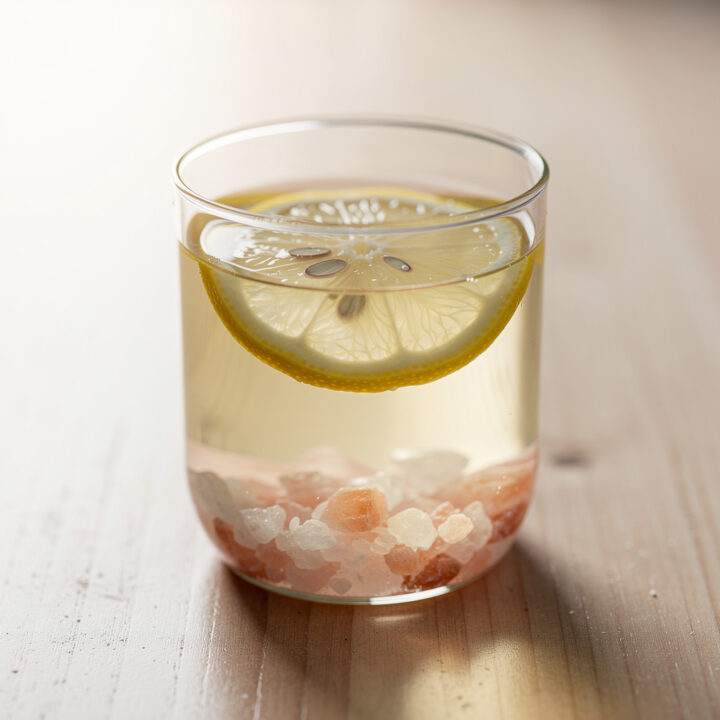
If you can't find pink Himalayan salt, finely ground sea salt or unrefined Celtic salt can serve as alternatives but with slightly varied mineral profiles.
Lime juice can replace lemon for a different citrus note and similar pH benefits, or a mix of citrus (orange, grapefruit) may add antioxidants and refreshing flavors.
Homemade Electrolyte Drinks with Additional Migraine-Friendly Ingredients
To bump up the electrolyte content, try these additions:
- Magnesium citrate powder (small amounts): adds the migraine-protective mineral directly
- Coconut water: naturally high in potassium and magnesium, can be a base for your lemon and pink Himalayan salt drink
- Herbal infusions: ginger or turmeric juice for natural anti-inflammatory punch
A gentle pink Himalayan salt detox recipe or a ginger turmeric lemon pink salt shot can be exciting variations blending anti-inflammatory ingredients, all designed with the mindful migraine sufferer in mind.
Storage, Shelf Life, and Chemistry of the Salt-Lemon Drink

Should You Prepare in Advance or Make Fresh?
Because lemon juice loses vitamin C rapidly when exposed to air and light, the lemon and pink Himalayan salt water recipe is best made fresh daily. Letting it sit too long increases sourness and decreases potency.
If you want to prep in advance, store in a tightly sealed bottle in the fridge and consume within 12 hours for best taste and nutrient retention.
Chemistry Behind Lemon and Salt in Water
Lemon juice is acidic (low pH), but once metabolized, it has a mild alkalizing effect on systemic pH, which some find soothing during migraines.
Pink Himalayan salt dissolves to release sodium and trace minerals that help balance the fluid environment in your body. This simple acid-base balance myth often confuses people; the recipe's main benefit is hydrating with electrolytes, not changing blood pH drastically.
Electrolytes remain stable in solution for short periods, but prolonged sitting may cause some mineral precipitation or flavor changes.
Conclusion
The pink Himalayan salt and lemon recipe for migraines offers a thoughtful, low-cost, flavorful way to support hydration and electrolyte balance when a migraine strikes or as mild daily prevention. It's a simple ritual inspired by real kitchen wisdom-tiny pink-salt pinches, bright lemon juice, warm water-all working gently together to boost comfort during those tough moments.
Remember: this recipe is best as a complement within your broader migraine management toolkit, including hydration, lifestyle changes, and professional care where needed. Use it with care, honor your body's signals, and keep sodium limits in mind.
Let me know how your pink Himalayan salt and lemon drink recipe for migraines turns out in the comments! For more ideas on soothing, natural tonics, check out the Pink Salt Lemon Detox Drink or the Ginger Turmeric Lemon Pink Salt Shot for a spicy twist.
Try smarter, not stricter-because every small mindful step adds up to lasting wellbeing.
Internal links included naturally for your ease:
- Dive deeper with the Pink Himalayan Salt Detox Recipe for cleansing support.
- Curious about salt flushes? The Pink Himalayan Salt Water Flush Recipe might pique your interest.
- For a quick, potent burst, the ACV Pink Himalayan Salt Detox Shot Recipe pairs well with migraine care strategies.
Wishing you health, balance, and flavor in every sip.
FAQs about Pink Himalayan Salt And Lemon Recipe For Migraines
Some people find that lemon and salt can help alleviate headache symptoms, potentially due to the electrolytes in salt and the hydrating properties of lemon water. The combination may help restore electrolyte balance and reduce dehydration, which can be triggers for some headaches. However, scientific evidence supporting this is limited, and it may not work for everyone.
The amount of salt and lemon needed for a headache varies depending on individual preferences and tolerance. A common starting point is to mix the juice of half a lemon with about ¼ teaspoon of pink Himalayan salt in a glass of water. Adjust the amounts to taste, but be mindful of your sodium intake.
Pink Himalayan salt contains electrolytes that may help with hydration and electrolyte balance, potentially relieving migraine symptoms in some individuals. Dehydration and electrolyte imbalances can trigger migraines for some people. However, there is limited scientific evidence specifically supporting the use of Himalayan salt for migraines, so it's not a guaranteed solution.
Drinking lemon and salt water can provide hydration, replenish electrolytes, and potentially aid digestion. Some believe it can also help detoxify the body and improve skin health. However, these benefits are not definitively proven by scientific research.
Pink Himalayan salt is often considered a good option for headaches due to its mineral content. Sea salt and other natural salts can also be used. The key is to replenish electrolytes, so choose a salt you find palatable and that provides minerals.
Yes, consuming too much salt can lead to high blood pressure, fluid retention, and other health problems. People with certain medical conditions, such as kidney disease or heart failure, should be particularly cautious. Always consult a healthcare professional before significantly increasing your salt intake.
💬 Let's Stay Connected!
For daily recipes, kitchen tips, and exclusive content, follow me on:
👉 Facebook for behind-the-scenes & community fun
👉 Pinterest for visual inspiration & meal ideas
👉 X (Twitter) for quick tips & trending recipes
📲 Join the flavor journey, your next favorite recipe is just a follow away!


MediCompares says
Thank you so much, Molina! 🙏 This is absolutely the most detailed and thoughtful recipe I've ever seen for migraine relief. I love how you've blended chef logic with science and genuine care—from the precise measurements to the explanation of electrolytes and hydration. The tip about using Meyer lemon for a sweeter, less acidic flavor is pure genius! This information is so useful for anyone battling migraines naturally. Your Queens kitchen must be a magical place! Keep writing more beautiful blogs like this—you're a true gift to the wellness community!
Molina says
Thank you so much. I’m glad it helped, and yes lemon is a great tip Thanks for your kind words!