
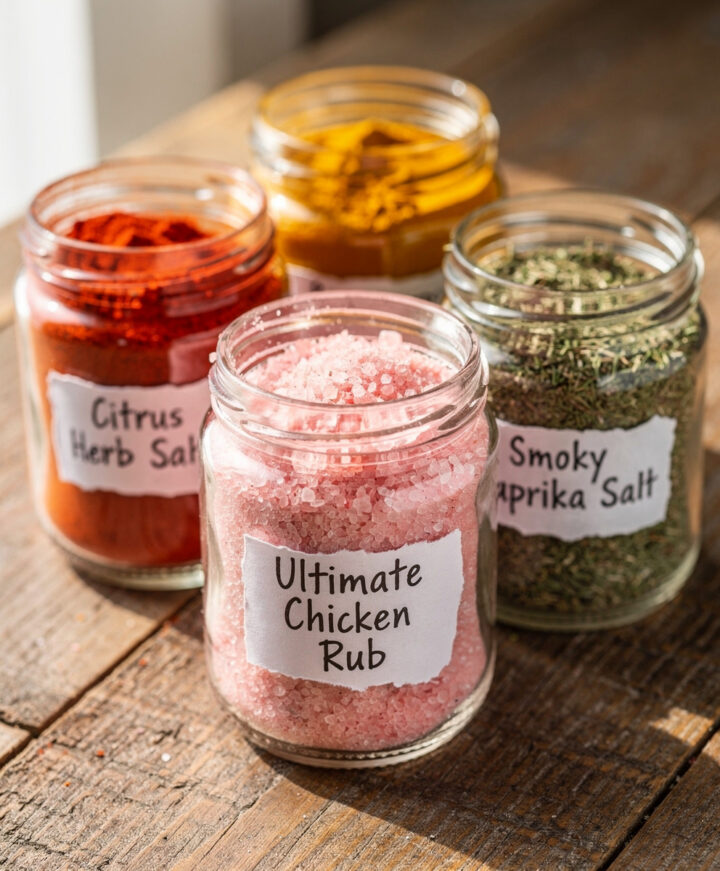
In My Sunday meal prep ritual isn't complete without mixing a fresh batch of my go-all-week seasoning salt. Having that jar of homemade pink Himalayan blend ready means I can effortlessly elevate grilled chicken, grain bowls, or even a quick avocado toast in seconds. It's one of those small but mighty kitchen habits that brings joy and flavor to the everyday, all while keeping my sodium in check with tiny pink-salt pinches, big flavor, and fewer additives. Today, I'm sharing not just one but five homemade pink Himalayan seasoning salt recipes, plus tips and tricks to make seasoning salt blends work for you, all without fuss or exotic ingredients.
If you've been curious about pink Himalayan seasoning salt recipes, this guide is your go-to. We'll talk about why pink Himalayan salt is such a standout, how to craft your base seasoning blends with exact ratios, and how to use these blends in everyday cooking for chicken, veggies, steak, snacks, and seafood or eggs. Plus, I'll cover storage hacks and flavor variations to keep every meal fresh and full of crunch + cream + zip in every bite.
Jump to:
- Pink Himalayan Seasoning Salt Recipes
- What is Pink Himalayan Seasoning Salt?
- Benefits of Using Pink Himalayan Seasoning Salt
- How to Make Your Base Pink Himalayan Seasoning Salt Blend
- Pink Himalayan Seasoning Salt Recipes
- Expert Tips for Using & Storing Pink Himalayan Seasoning Salt
- Variations & Flavor Profiles to Try
- FAQs about Pink Himalayan Seasoning Salt Recipes
Pink Himalayan Seasoning Salt Recipes
A versatile, all-purpose seasoning salt using pink Himalayan salt as a base. This balanced blend of savory garlic and onion with smoky paprika creates a foundational mix perfect for elevating chicken, vegetables, steak, and more. It's a simple way to add big flavor with minimal, natural ingredients.
- Total Time5min
- YieldAbout ½ cup 1x
- DietGluten Free, Vegan
Ingredients
- 4 tablespoons pink Himalayan salt (fine or medium grain)
- 2 tablespoons garlic powder
- 2 tablespoons onion powder
- 2 tablespoons smoked paprika
- ½ teaspoon cayenne pepper (optional, for heat)
Instructions
- If your pink Himalayan salt crystals are coarse, pulse them gently in a spice grinder or crush with a mortar and pestle to achieve a medium-fine texture.
- In a dry bowl, combine the pink Himalayan salt, garlic powder, onion powder, smoked paprika, and optional cayenne pepper.
- Stir or whisk the mixture thoroughly until all ingredients are evenly distributed and no clumps remain.
- Transfer the finished blend to an airtight glass jar or shaker bottle. Label with the date.
Notes
Store in an airtight container away from light and heat for up to 6 months. For a finer blend, process all ingredients together in a spice grinder. This is a base recipe; feel free to customize with additional herbs and spices like dried rosemary, lemon zest, or cumin.
- Prep Time: 5min
- Cook Time: 0min
- Category: condiment
- Method: Mixing
- Cuisine: Global
Nutrition
- Serving Size: 1
- Calories: 5
- Sugar: 0
- Sodium: 1160
- Fat: 0
- Saturated Fat: 0
- Unsaturated Fat: 0
- Trans Fat: 0
- Carbohydrates: 1
- Fiber: 0
- Protein: 0
- Cholesterol: 0
What is Pink Himalayan Seasoning Salt?
Origins and Characteristics of Pink Himalayan Salt
Pink Himalayan salt comes from ancient sea salt deposits deep in the Himalayan Mountains, primarily mined in Pakistan. Its signature blush pink color comes from trace minerals like iron oxide (that's the rust-ish tint), calcium, magnesium, and potassium. These minerals give it a subtle mineral complexity you won't find in plain old table salt.
The salt crystals vary from fine to large grains, and that grain size directly influences how seasoning salts behave on food. Larger crystals deliver bursts of salty crunch, great for finishing blends, while finer grains blend seamlessly for dry rubs or mixing with powdered spices.
How Pink Himalayan Salt Differs from Table and Sea Salt
What sets pink Himalayan salt apart starts with its minimal processing; it's unrefined and free from additives like anti-caking agents common in table salt. Its mineral content gives it a cleaner, sometimes described as more "rounded" flavor compared to the often sharp sodium bite of refined salts.
Compared to sea salt, Himalayan pink salt is mined inland, while sea salt comes from evaporated seawater. Sea salt grains tend to be flakier and more irregular. Pink Himalayan salt's uniform crystals lend themselves well to seasoning blends because they're predictable in size and dissolve evenly in cooking.
It's also a fan favorite in seasoning because the minerals subtly amplify flavor without dominating, making it a natural choice for recipes that call for Himalayan pink salt.
Benefits of Using Pink Himalayan Seasoning Salt
Nutritional and Culinary Advantages
Let's talk trace minerals: pink Himalayan salt contains up to 80 trace minerals, including iron, calcium, and magnesium, minor but real contributors to flavor and nutrition. While these don't replace a balanced diet, they add to the appeal of using this salt. It's a less processed product, making it more "natural" and less harsh than iodized table salt.
Culinarily speaking, the salt's crisp crystals deliver micro bursts of saltiness, exactly what you want in a seasoning salt. This means you can use smaller quantities and still hit perfect flavor, which fits right into weight-loss-friendly cooking where managing sodium is key.
Why Make Your Own Seasoning Blend?
Store-bought seasoning salts often contain MSG, preservatives, or excess salt sneaking in under different names. Making your own with pink Himalayan salt puts you in control. You choose quality spices, omit unnecessary fillers, and personalize profiles to suit your palate or dietary needs (e.g., low-sodium, gluten-free, vegan).
Homemade blends are wildly cost-effective too, spices bought in bulk last forever and taste way fresher than prepackaged jars. Plus, mixing your own seasoning salt lets you learn the "chef logic" of flavor layering, balancing savory garlic, sweet onion, smoky paprika, and a pinch of heat to keep meals exciting.
How to Make Your Base Pink Himalayan Seasoning Salt Blend
Ingredients & Ratios for the Classic Blend
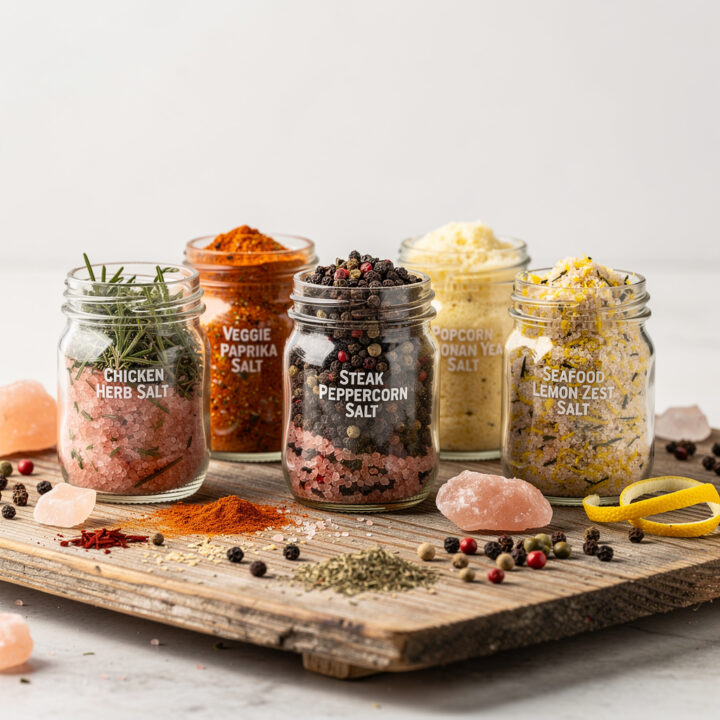
Here's the magic formula I use, time-tested and balanced for flavor and shelf stability. The salt is the base, so we measure it first:
- 4 tablespoons pink Himalayan salt (fine or medium grain)
- 2 tablespoons garlic powder
- 2 tablespoons onion powder
- 2 tablespoons smoked paprika
- Optional: ½ teaspoon cayenne pepper for just the right amount of heat (adjust to taste)
This 2:1:1 salt-to-spice ratio gives a perfect balance of savory, sweet, and smoky notes. Cayenne is optional but adds zip and umami depth without burning the palate.
Step-by-Step Mixing Instructions
- If your pink Himalayan salt crystals are coarse, pulse them gently in a spice grinder or mortar and pestle to a medium-fine level, matching the texture of your powders. This ensures even blending and consistent seasoning.
- Combine salt with garlic powder, onion powder, paprika, and cayenne (if using) in a dry bowl.
- Stir or whisk well to blend thoroughly. Use a spatula to scrape the bottom and sides to catch any clumps.
- Transfer your blend into an airtight glass jar or shaker bottle. Label with date, blends last about 6 months when stored right.
Customization Ideas
The beauty of pink Himalayan seasoning salt recipes is how flexible they are! Here are some quick ideas:
- Smoky Herb: Add 1 tablespoon dried rosemary and 1 teaspoon ground black pepper for a woodsy twist. Great on roasted potatoes or grilled chicken.
- Citrus Zing: Complement with 1 tablespoon dried lemon zest and 1 teaspoon dried thyme for a bright, fresh flavor perfect for seafood or eggs.
- Spicy Heat: Mix in 1 teaspoon chipotle powder and 1 teaspoon cumin for a Southwest kick that's perfect for steak or veggies.
- Umami Boost: Stir in 1 tablespoon mushroom powder or nutritional yeast to deepen flavors, ideal for vegetarian dishes.
Feel free to swap dried herbs and spices based on your pantry and cravings. Just keep the salt as the base at twice the amount of any added powders for balance and shelf life.
Pink Himalayan Seasoning Salt Recipes
For Chicken: Ultimate Grilled Chicken Rub
This pink Himalayan salt chicken rub recipe is my go-to for juicy, flavorful grilled chicken with weight-loss-friendly seasoning salt. The blend highlights the pink salt's savory mineral notes and is simple to throw together.
Ingredients:
- 2 tablespoons classic pink Himalayan seasoning salt blend
- 1 tablespoon olive oil
- 1 pound boneless skinless chicken breasts or thighs
Instructions:
- Pat chicken dry and rub olive oil over all surfaces.
- Sprinkle seasoning salt generously, pressing gently to form a crust.
- Let it rest at room temperature for 15 minutes or refrigerate up to 2 hours.
- Grill over medium-high heat for 5-7 minutes per side until cooked through and charred lightly.
- Serve immediately with fresh lemon wedges.
For a full set of pink Himalayan salt chicken recipes and variations, check out my Himalayan Pink Salt Chicken Recipes collection.
For Vegetables: Roasted Root Vegetables with Seasoned Salt
Roasting root vegetables with pink Himalayan seasoning salt unlocks layers of natural sweetness, boosted by spicy and smoky accents.
Ingredients:
- 4 cups chopped root veggies (carrots, parsnips, sweet potatoes)
- 3 tablespoons olive oil
- 2 tablespoons pink Himalayan seasoning salt blend
- Freshly ground black pepper to taste
Instructions:
- Toss veggies with olive oil, seasoning salt, and pepper in a large bowl.
- Spread evenly on a parchment-lined baking sheet.
- Roast at 425°F for 30-35 minutes, flipping halfway, until crispy on edges and tender inside.
- Serve warm, garnished with chopped parsley if you like fresh herbs.
For extra tips on roasting with pink salt, my Crispy Roasted Vegetables Pink Salt guide is packed with flavor hacks.
For Steak: Himalayan Salt and Pepper Grinder Rub
Steak and pink salt are an iconic combo. Using a coarse pink Himalayan salt and pepper blend in a grinder lets you season just before grilling, locking in fresh aroma.
Ingredients:
- 3 tablespoons coarse pink Himalayan salt crystals
- 1.5 tablespoons freshly cracked black peppercorns
Instructions:
- Combine crystals and pepper in a clean, empty spice grinder or crush with mortar and pestle to desired coarseness.
- Generously grind over both sides of your steak before cooking.
- Let steak rest 10 minutes, then grill or pan-sear as preferred.
Try this seasoning immediately before cooking for best flavor burst; grind only what you'll use in one sitting. This helps maintain the pink salt's micro-seasoning effect and balance.
For Snacks: Spiced Popcorn with Pink Himalayan Salt
Popcorn gets an instant flavor upgrade with a simple pink Himalayan salt seasoning with a smoky, garlicky kick.
Ingredients:
- ¼ cup popcorn kernels
- 2 tablespoons coconut oil or avocado oil
- 1 teaspoon classic pink Himalayan seasoning salt blend
- Optional pinch of smoked paprika or nutritional yeast for cheesy flavor
Instructions:
- Heat oil in a large pot over medium heat. Add popcorn kernels and cover.
- Shake pot occasionally as popcorn pops to avoid burning.
- Once popping slows, remove from heat and immediately sprinkle seasoning salt and optional spices while popcorn is still hot.
- Toss well and serve warm.
This snack is light, crunchy, and packed with that flavor layering we crave, small pink-salt pinches, big flavor.
For Seafood or Eggs: Citrus Herb Salt Blend
Delicate proteins like fish and eggs shine with a fresh citrus herbal pink Himalayan salt blend.
Ingredients:
- 4 tablespoons fine pink Himalayan salt
- 1 tablespoon dried lemon zest
- 1 tablespoon dried thyme
- 1 teaspoon garlic powder
Instructions:
- Mix all ingredients in a bowl until combined.
- Use as a finishing salt on pan-seared salmon or scrambled eggs.
- Store in an airtight jar and use within 3 months for best citrus aroma.
For a bright seafood recipe using pink Himalayan seasoning salt, try the Pan Seared Salmon Pink Salt Citrus Butter on Salt Clarity.
Expert Tips for Using & Storing Pink Himalayan Seasoning Salt
Best Application Techniques
- Use pink Himalayan seasoning salt as a dry rub before grilling or roasting to create savory crusts.
- Sprinkle as a finishing salt post-cooking for crunch and bursts of flavor. Coarser grains work best here.
- Incorporate into marinades or dressings by mixing with acids (lemon juice, vinegar) and oil for balanced seasoning.
- Remember, small pink-salt pinches go a long way, taste continuously while seasoning to avoid oversalting.
Storage Guide
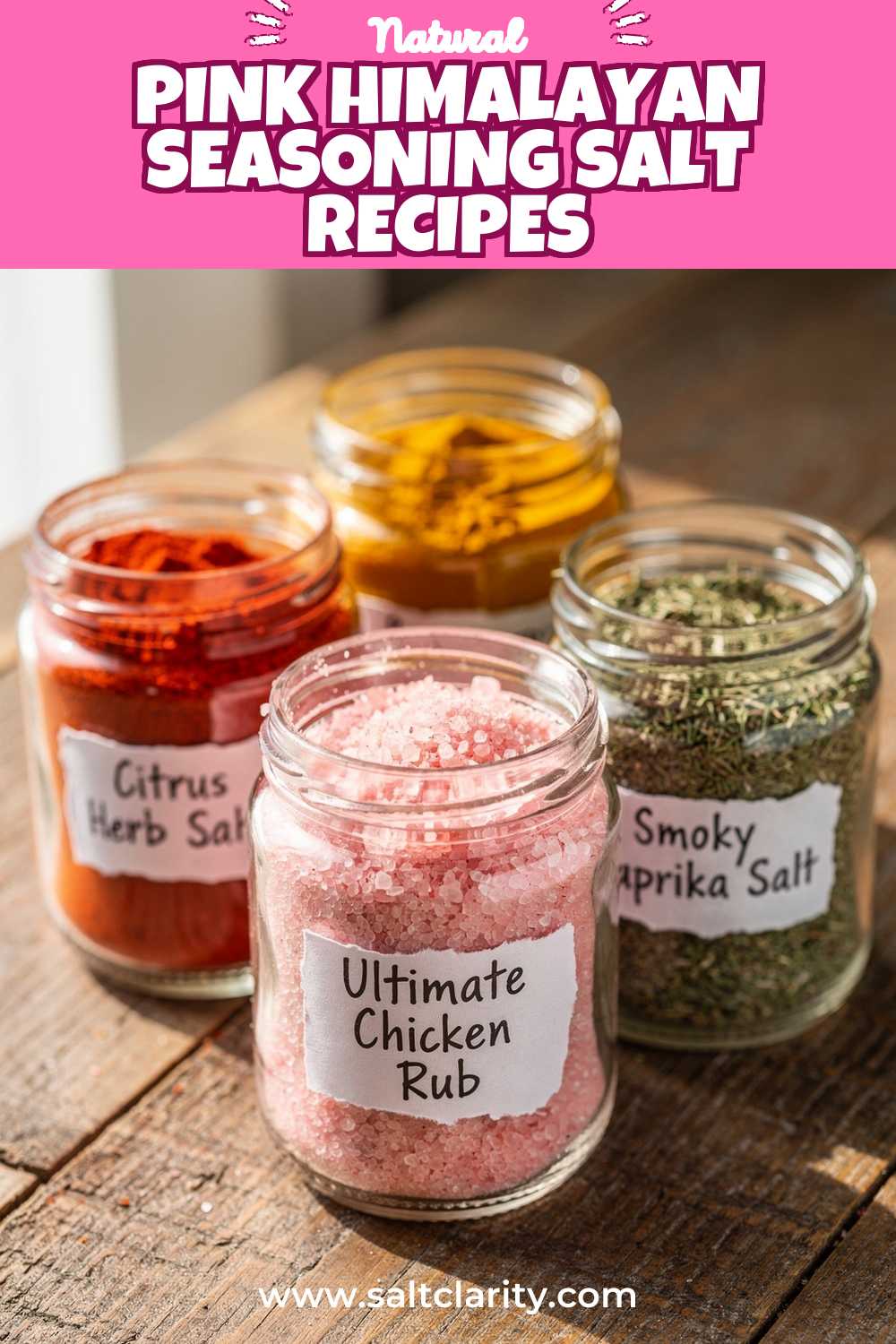
Keep seasoning salt blends fresh by:
- Storing in airtight glass jars away from sunlight and humidity.
- Avoiding metal containers that can react with salts.
- Adding a small dry rice packet or desiccant (not edible) in the jar to reduce moisture and clumping.
- Label with mix date; blends last up to 6 months when dry and sealed well.
Troubleshooting Common Issues
- If blend is too salty, reduce Himalayan salt by 10-15% and increase spices or herbs slightly.
- To fix bitter or burnt-tasting blends, double-check paprika freshness; smoked paprika goes rancid quickly.
- Clumping? Pulse with dry blender or add drying agent as noted.
- Grain size too coarse or fine? Adjust grinding technique, medium-fine grain is most versatile for seasoning blends.
Variations & Flavor Profiles to Try
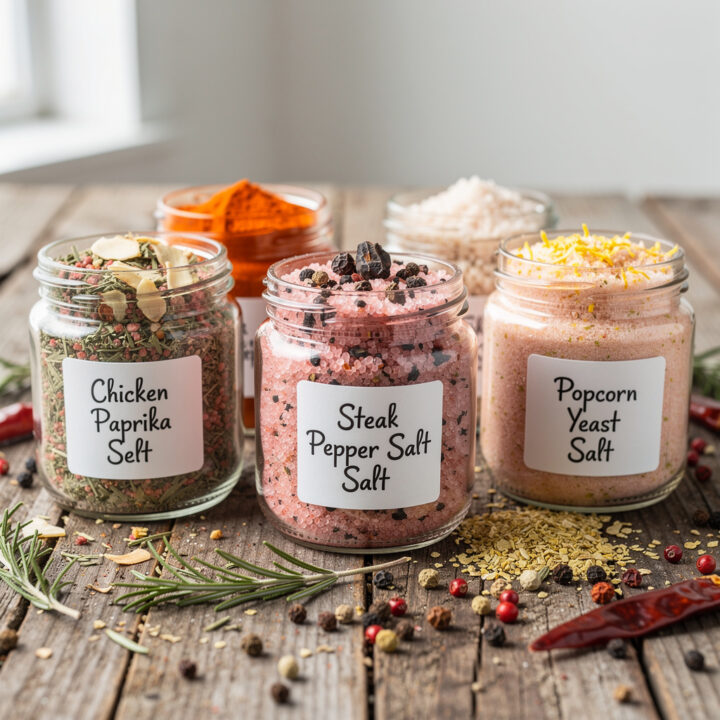
Spicy Cajun Himalayan Blend
A fiery mix that wakes up meats and veggies:
- 4 tablespoons pink Himalayan salt
- 1 tablespoon smoked paprika
- 1 tablespoon garlic powder
- 1 tablespoon onion powder
- 1 teaspoon cayenne pepper
- 1 teaspoon dried oregano
- 1 teaspoon dried thyme
Fantastic on grilled shrimp or roasted potatoes.
Mediterranean Herb Himalayan Blend
Herby, fresh, and aromatic for Mediterranean dishes:
- 4 tablespoons pink Himalayan salt
- 1 tablespoon dried rosemary
- 1 tablespoon dried basil
- 1 tablespoon garlic powder
- 1 teaspoon black pepper
- Optional: 1 teaspoon lemon zest
Perfect on chicken or tossed with couscous.
Smoky BBQ Himalayan Blend
Sweet, smoky, and savory for backyard BBQ sessions:
- 4 tablespoons pink Himalayan salt
- 2 tablespoons smoked paprika
- 1 tablespoon brown sugar (optional)
- 1 tablespoon garlic powder
- 1 teaspoon black pepper
- 1 teaspoon mustard powder
Use on ribs, burgers, or roasted cauliflower.
Conclusion
Pink Himalayan seasoning salt recipes bring a fresh, natural twist to your kitchen salt game. With a few simple blends, you can add serious flavor to chicken, veggies, steak, snacks, and delicate proteins, tiny pink-salt pinches delivering big flavor while keeping sodium smart.
Making your own seasoning salts is practical, budget-friendly, and a way to keep meals tasty without mystery ingredients. I hope these recipes and tips inspire you to try your hand at crafting blends that fit your taste and busy schedule.
Let me know how your blends turned out in the comments! Don't forget to tag @SaltClarity on Pinterest with pics of your pink Himalayan seasoning salt creations. For more inspiration, check out my guides on Himalayan Pink Salt Chicken Recipes, Crispy Roasted Vegetables Pink Salt, and Pan Seared Salmon Pink Salt Citrus Butter.
Simple seasoning salts with pink Himalayan salt show that healthy cooking can be joyful, effortless, and full of flavor, even on a regular schedule in a regular kitchen. Try smarter, not stricter, and savor that crunch + cream + zip in every bite.
FAQs about Pink Himalayan Seasoning Salt Recipes
Sea salt is a good substitute for Himalayan pink salt, offering a similar salty flavor and trace minerals. Kosher salt can also be used, but it has a coarser texture and may require adjusting the amount used. Both options provide sodium chloride, the primary component responsible for saltiness.
Pink salt seasoning is primarily made of Himalayan pink salt, a naturally occurring mineral mined from the Himalayas. It often contains trace minerals like potassium, magnesium, and calcium, giving it a distinctive pink hue. Some blends may include additional herbs and spices for enhanced flavor.
Seasoning salt is a blend of salt and other spices, such as paprika, garlic powder, onion powder, and herbs. Pink salt, or Himalayan pink salt, is a naturally occurring mineral salt with a distinct pink color and trace minerals. While pink salt can be used as a seasoning on its own, seasoning salt offers a more complex flavor profile.
Himalayan pink salt is often said to have a slightly different taste compared to regular table salt, though the difference is subtle. Some people describe it as having a more mineral-rich or complex flavor profile. The trace minerals it contains may contribute to this perceived difference.
Himalayan pink salt can be used for a variety of culinary purposes, similar to regular table salt. It's used for seasoning dishes during cooking, finishing meals, and even preserving food. Its attractive pink color also makes it a popular choice for presentation.
Himalayan salt pairs well with a wide range of spices, depending on the dish. Garlic powder, onion powder, paprika, black pepper, and dried herbs like rosemary and thyme are excellent choices for savory dishes. For a sweeter profile, consider cinnamon, nutmeg, or even a touch of chili powder for a sweet-heat contrast.
💬 Lets Stay Connected!
For daily recipes, kitchen tips, and exclusive content, follow me on:
👉 Facebook for behind the scenes and community fun
👉 Pinterest for visual inspiration and meal ideas
👉 X (Twitter) for quick tips and trending recipes
📲 Join the flavor journey, your next favorite recipe is just a follow away!
Leave a Reply