
Introduction
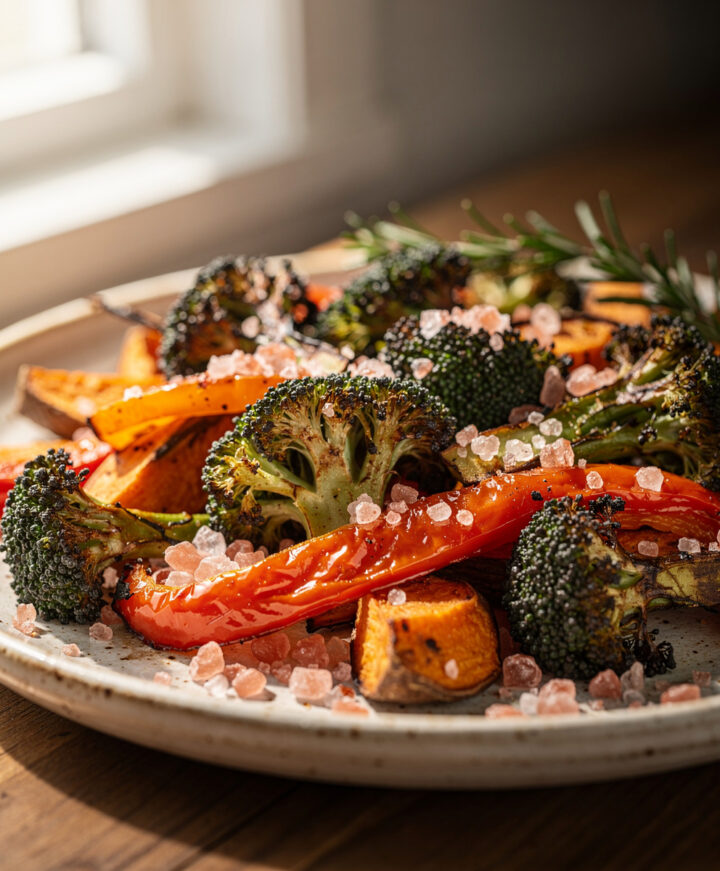
Forget soggy, steamed veg. This guide is your masterclass in achieving shatteringly crisp, caramelized roasted vegetables every single time. We're moving beyond basic instructions to explain the culinary science behind the perfect roast, featuring pink Himalayan salt not just as an ingredient, but as a key flavor and textural element. Whether you're a weeknight cook or a meal-prep enthusiast, this comprehensive method will become your foundational kitchen technique.
For anyone looking to add more vibrant, nutrient-dense foods to their plate, this method is a total game-changer. You get a side dish that's packed with fiber and vitamins, yet tastes indulgent thanks to the deep caramelization and the subtle mineral finish from pink salt.
I still remember a cool fall evening in my Queens kitchen, the sound of veggies sizzling on a hot sheet pan, and my grandma's voice telling me, "Listen for the sizzle-that's the secret." That sizzle, combined with perfectly timed roasting and just the right seasoning, is what turns everyday vegetables into a crave-worthy side dish. Crispy roasted vegetables with pink salt aren't just a recipe; they're a way to enjoy healthy eating without sacrificing flavor or texture.
Whether you're aiming to lose weight, eat better, or just want to impress your family with a simple but stunning dish, this guide will teach you how to make crispy roasted vegetables with pink salt that pop with flavor and crunch. Plus, I'll share salt seasoning secrets and smart kitchen hacks to fit this into a busy life and budget.
Jump to:
- Introduction
- Crispy Roasted Vegetables With Pink Salt
- The Foundation: Understanding the Science of Crispiness
- Selecting and Preparing Your Vegetables for Success
- The Master Recipe: Foolproof Crispy Roasted Vegetables
- Why Pink Himalayan Salt? More Than Just a Color
- Pro Techniques and Troubleshooting
- Flavor Variations and Global Inspirations
- Storing and Reheating for Lasting Crispness
- Conclusion
- FAQs about Crispy Roasted Vegetables With Pink Salt
Crispy Roasted Vegetables With Pink Salt
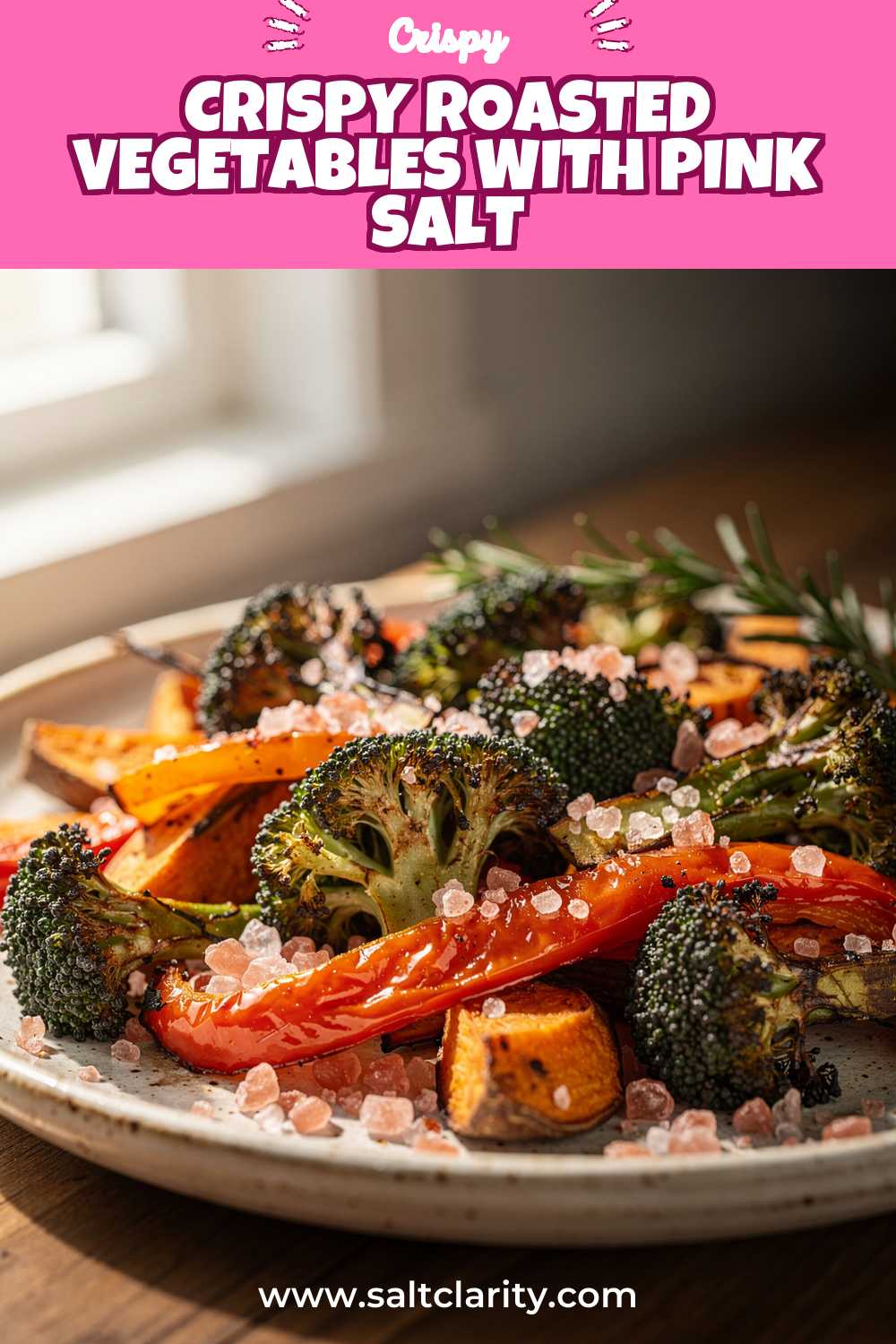
This master recipe unlocks the secret to shatteringly crisp, caramelized roasted vegetables every time. The method uses high heat and smart preparation, finishing with coarse pink Himalayan salt for a burst of flavor and texture.
- Total Time55min
- Yield4 servings 1x
- DietGluten Free, Vegan
Ingredients
- 1 lb mixed sturdy vegetables (e.g., carrots, potatoes, sweet potatoes), cut into 1-inch pieces
- 1 lb medium-density vegetables (e.g., broccoli, cauliflower, Brussels sprouts), cut into florets or halves
- 3 tablespoons high-smoke-point oil (avocado or refined olive oil)
- 1 teaspoon cornstarch or arrowroot powder (for starchy vegetables only)
- 1 teaspoon dried herbs (rosemary, thyme, or oregano)
- ½ teaspoon garlic powder
- ¼ teaspoon black pepper
- 1 teaspoon coarse pink Himalayan salt, divided
Instructions
- Preheat oven to 425°F (220°C). Place a large, empty rimmed baking sheet in the oven to preheat.
- In a large bowl, toss the sturdy, starchy vegetable pieces (like potatoes) with the cornstarch or arrowroot powder until lightly coated.
- Add all vegetables to the bowl. Drizzle with oil and sprinkle with dried herbs, garlic powder, black pepper, and ¼ teaspoon of the pink salt. Toss thoroughly until vegetables are evenly coated.
- Carefully remove the hot baking sheet from the oven. Spread the vegetables in a single, uncrowded layer on the hot sheet.
- Roast for 15 minutes. Remove from oven, toss the vegetables, and return to oven.
- Continue roasting for another 15 to 20 minutes, tossing once more halfway through, until vegetables are tender and deeply caramelized with crispy edges.
- Immediately transfer the roasted vegetables to a wire cooling rack. Let rest for 1-2 minutes to allow steam to escape.
- Sprinkle the remaining ¾ teaspoon of coarse pink Himalayan salt over the vegetables just before serving.
Notes
For best results, do not overcrowd the pan. Use two sheets if needed. The cornstarch trick is optional but creates an extra-crispy coating on starchy veggies. Always add the majority of the pink salt after roasting to preserve its crunchy texture.
- Prep Time: 20min
- Cook Time: 35min
- Category: Dinner
- Method: Roasting
- Cuisine: American
Nutrition
- Serving Size: 4
- Calories: 180
- Sugar: 5
- Sodium: 590
- Fat: 10
- Saturated Fat: 1
- Unsaturated Fat: 8
- Trans Fat: 0
- Carbohydrates: 22
- Fiber: 6
- Protein: 4
- Cholesterol: 0
The Foundation: Understanding the Science of Crispiness
When you open your oven and pull out a tray of limp vegetables, it's disappointing-but understanding why crispiness happens changes everything. Crispy roasted vegetables with pink salt depend heavily on moisture and heat management.
The Role of High Heat & Dry Heat
Roasting at 425°F (or about 220°C) is key. That's when magic happens: the Maillard reaction kicks in, creating those golden-brown, nutty, and slightly sweet flavors. It's not just browning; it's flavor chemistry.
Alongside that, caramelization occurs as natural sugars break down and concentrate on vegetable surfaces. Both reactions create complex layers of flavor and a crunchy crust. But here's the catch-this only works when moisture isn't trapping the heat.
That's why your oven and sheet pan should be fully preheated before you add the vegetables. A cold baking sheet will absorb heat instead of roasting your vegetables quickly, robbing you of crispiness.
Oil is Your Conductor
Think of oil as a heat conductor that coats every nook and cranny of your vegetables, ensuring even cooking and a crispy finish without burning. Use a high-smoke-point oil like avocado or refined olive oil. These oils tolerate the high heat needed for caramelization without smoking or breaking down.
Using enough oil-not drowning but a healthy, even coating-also helps the exterior dehydrate just enough to crisp up without drying out the inside. This is especially important when roasting a medley of vegetables with varying moisture content.
Together, proper oven temperature and the right oil set the stage for crispy roasted vegetables with pink salt to shine.
Selecting and Preparing Your Vegetables for Success
One of the biggest oversights in many roasted vegetable recipes is treating all veggies as if they roast the same way. Spoiler: They don't. Crispy roasted vegetables with pink salt need a smart approach to preparation to ensure every piece comes out tender-crisp and golden.
The Vegetable Roasting Matrix
Here's a quick guide to classify veggies based on density and water content:
| Category | Examples | Roast Notes |
|---|---|---|
| Hard/Root | Potatoes, Carrots, Sweet Potatoes | Dense, starchy, longer roast time |
| Cruciferous | Broccoli, Cauliflower, Brussels Sprouts | Medium density, crisp florets |
| Soft/High-Moisture | Zucchini, Bell Peppers, Tomatoes | High moisture, shorter roast time |
Understanding this helps you plan roasting order and technique so nothing comes out soggy or underdone.
The Cutting Principle
Size matters more than shape. Aim for fairly uniform pieces so everything cooks at the same rate. For instance, cut potatoes and carrots into 1-inch chunks.
Also, maximize surface area for crispiness. For Brussels sprouts, slicing them in half and laying flat side down increases caramelization. Thick wedges for bell peppers allow them to roast without turning to mush quickly.
Even small tweaks like these create that tender-crisp texture and flavorful roast so many crave.
The Master Recipe: Foolproof Crispy Roasted Vegetables
Here's your go-to formula for crispy roasted vegetables with pink salt that works on repeat and scales easily.
Ingredient Philosophy
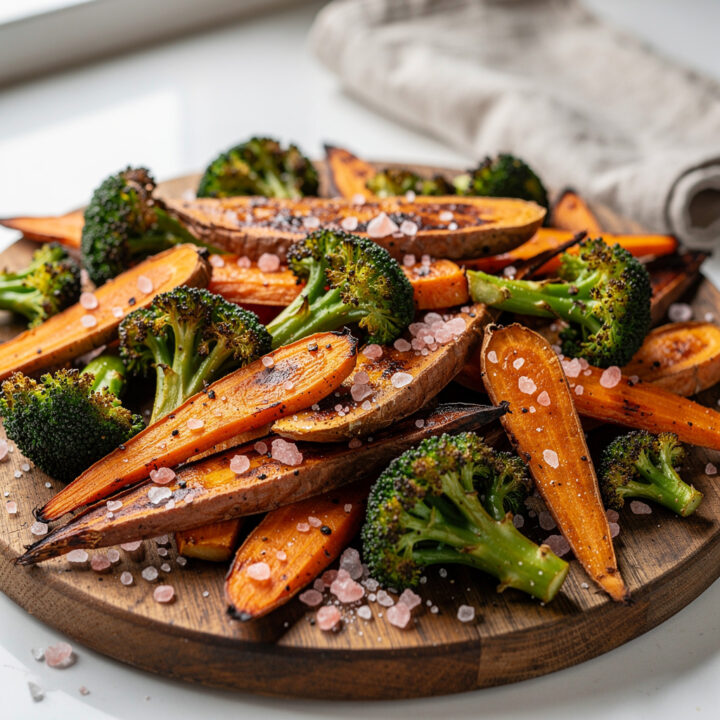
- Vegetables: Mix sturdy root vegetables with medium-density florets for variety.
- Oil: Avocado oil or refined olive oil for high-heat roasting.
- Pink Himalayan salt: Coarse grind for finishing.
- Optional: A pinch of cornstarch or arrowroot for starchy vegetables (more on this below).
- Herbs/spices: Fresh or dried, depending on mood-rosemary, paprika, garlic powder.
The Step-by-Step Method
- Preheat your oven to 425°F (220°C). Place a large baking sheet in the oven to preheat with it.
- Chop vegetables into even pieces by category and size.
- Pro upgrade: On starchy veggies like potatoes or chickpeas, toss dry pieces with 1 teaspoon cornstarch or arrowroot powder before oil. This fans crispiness into a sheer, glassy coating.
- In a large bowl, toss veggies with oil until lightly but evenly coated.
- Pour the vegetables onto the hot baking sheet in a single layer. Avoid overcrowding.
- Roast root vegetables first for 15 minutes, toss, then add cruciferous veggies, toss again.
- Continue roasting for another 15-20 minutes, tossing halfway through, until all pieces are golden, crispy, and tender.
- Remove from oven and immediately transfer to a wire cooling rack for 1-2 minutes to vent steam.
- Sprinkle with coarse pink Himalayan salt just before serving for that satisfying crunch + flavor burst.
Toss, coat, space is your roasting mantra. Simple but powerful.
Why Pink Himalayan Salt? More Than Just a Color
Let's talk about why pink Himalayan salt deserves star billing in your crispy roasted vegetables recipe, beyond the fact that it looks pretty.
Mineral Content and Flavor Profile
Unlike regular table salt, pink Himalayan salt contains trace minerals like potassium, magnesium, and calcium. These minerals don't just add nutritional value-they round out pure saltiness with a subtle complexity and natural earthiness that enhances roasted veggies' flavor.
The salt isn't just salt; it's a flavor partner that boosts nuance without the harsh edge.
Texture and Application
The magic really comes from the coarse crystalline structure of pink salt.
If you add it before roasting, the salt crystals suck moisture out of your vegetables, which slows browning and can lead to steaming instead of roasting. That's why most recipes miss the mark and veer toward soggy edges.
Instead, sprinkle the majority of pink Himalayan salt after roasting, just before serving. This finish preserves each crystal's crunchiness and delivers tiny bursts of flavor that pop on your tongue.
This finishing salt technique is a quiet game-changer in the world of himalayan pink salt recipe collections and is central to serving crispy roasted vegetables with the best texture and bright taste.
(Note: For a foundational understanding of pink salt's culinary uses, check out our Pink Salt Cooking 101 guide on Salt Clarity.)
Pro Techniques and Troubleshooting
Even the best recipes hit snags. Let's diagnose every common bump in the road to crispy roasted vegetables with pink salt and fix it fast.
The Cornstarch Secret
This one is a restaurant-level trick. When dusted on dry potatoes, sweet potatoes, or chickpeas before oil, cornstarch (or arrowroot) creates a glassy, crackly coating after roasting. It traps a thin crisp shell that intensifies crunchiness without masking vegetable flavor.
Try this to impress yourself and guests alike.
Solving Sogginess and Burning
| Problem | Likely Cause | Fix or Tip |
|---|---|---|
| Vegetables steaming | Pan overcrowded; low oven temp | Roast on preheated sheet; leave space between veggies |
| Burnt outside/raw inside | Pieces too large; oven too hot | Cut smaller; reduce oven temp slightly; toss mid-roast |
| Chewy or rubbery texture | Undercooked pectin or overcooked | Roast until tender when pierced; toss veggies halfway |
If your veggies end up mushy or limp, chances are steam got trapped. The best way to prevent that is preheating your sheet pan and using a roasting group strategy-start dense veggies first, then add tender ones later so all finish perfectly together.
Cooling Rack Crisp-Maximizer
Instead of piling roasted veggies on a plate right from the oven, spread them on a wire cooling rack for 1-2 minutes. This prevents steam from pooling underneath and ruining your crispiness.
It's a small step with a big impact.
Flavor Variations and Global Inspirations
Crispy roasted vegetables with pink salt are a blank canvas waiting for your personality.
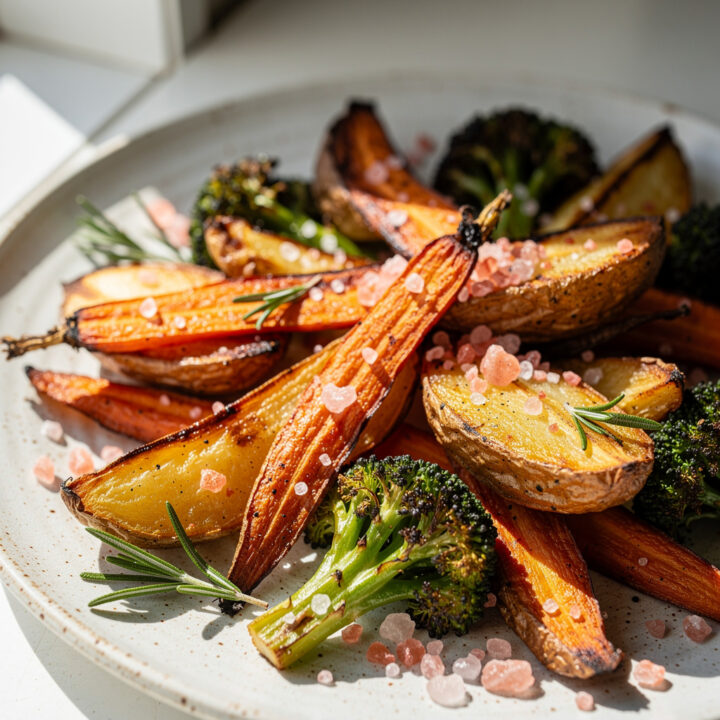
Herb and Spice Blends
Try these mix-ins tossed with the veggies before roasting:
- Classic Italian: Rosemary, garlic powder, cracked black pepper.
- Smoky Spanish: Smoked paprika, cumin, oregano.
- Indian-Inspired: Turmeric, garam masala, coriander.
You can finish with fresh herbs like parsley or a sprinkle of toasted nuts for texture contrast.
Finishing Touches
A splash of acid post-roast wakes up the flavors beautifully:
- Lemon juice or a drizzle of vinegar (balsamic, sherry).
- Umami finishers like grated Parmesan or nutritional yeast for dairy-free friends.
These brighten the dish and give your roasted vegetables a fresh, well-rounded taste.
For more ideas on how to make your recipes with pink Himalayan salt pop, explore Finishing Cooking Salt: When to Use Pink Salt.
Storing and Reheating for Lasting Crispness
Making roasted vegetables ahead is a lifesaver, but keeping them crispy is the real challenge.
The Storage Principle
Avoid airtight containers that trap moisture and cause sogginess. Instead, spread leftovers in a single layer on a parchment-lined sheet pan or plate and cover loosely with foil or plastic wrap.
Store in the fridge for up to 4 days.
Reheating to Restore Texture
Microwaves steam veggies, killing crispness-not ideal.
Use an air fryer at 375°F for 4-6 minutes, shaking occasionally, or a 400°F oven for 10-15 minutes on a wire rack to bring back that needed crunch.
This trick works wonders for leftovers-tastes almost fresh.
You can also pair these crispy roasted vegetables with pink Himalayan salt recipes like our Himalayan Pink Salt Chicken Recipes for a balanced meal.
Conclusion
Mastering crispy roasted vegetables with pink salt is one of those game-changing kitchen skills that turns everyday cooking into something joyful and delicious. By understanding the science behind crispiness, respecting the distinct needs of your vegetables, and using pink Himalayan salt as more than just seasoning-especially as a finishing touch-you'll bring a satisfying crunch and flavor depth to your meals.
Try the roasting group strategy, toss with high-smoke-point oil, dust with cornstarch on starchy veggies, and don't forget to let your veggies rest on a cooling rack. Tiny pink-salt pinches, big flavor-that's the kind of taste that keeps you coming back for more.
I'd love to hear how your crispy roasted vegetables with pink salt turn out-let me know in the comments or tag @SaltClarity on Pinterest to share your results. Hungry for more? Check out our Ginger Turmeric Lemon Pink Salt Shot for a refreshing complement, or try the ACV Pink Himalayan Salt Detox Shot Recipe to round out a clean-eating day.
Remember, cooking with pink Himalayan salt isn't just about sodium-it's about flavor clarity and joy in every bite.
Happy roasting!
FAQs about Crispy Roasted Vegetables With Pink Salt
A temperature of 400-450°F (200-230°C) is generally best for roasting vegetables. This high heat helps to caramelize the sugars and evaporate moisture, resulting in crispy edges. Adjust based on your oven and the specific vegetables being roasted.
To prevent soggy roasted vegetables, ensure they are dry before roasting and avoid overcrowding the pan. Overcrowding steams the vegetables instead of roasting them. Use a large baking sheet or roast in batches.
Pink Himalayan salt contains trace minerals that regular table salt does not, but the difference is minimal. Both are primarily sodium chloride and should be consumed in moderation. The health benefits are negligible compared to overall sodium intake.
Hearty vegetables like potatoes, carrots, broccoli, and Brussels sprouts roast well together because they have similar cooking times. Softer vegetables such as zucchini and bell peppers can also be added but may require less cooking time. Consider density and moisture content when pairing vegetables for roasting.
Roasting time varies depending on the vegetable, size, and oven temperature, but most vegetables take between 20-40 minutes. Check for tenderness with a fork; they should be easily pierced and slightly browned. Smaller pieces and higher temperatures will generally result in faster roasting times.
Parboiling (partially boiling) dense vegetables like potatoes or carrots before roasting can help them cook more evenly and achieve a crispier exterior. This step isn't necessary for all vegetables, but it can improve the texture of some. Reduce roasting time accordingly if parboiling.
💬 Lets Stay Connected!
For daily recipes, kitchen tips, and exclusive content, follow me on:
👉 Facebook for behind the scenes & community fun
👉 Pinterest for visual inspiration & meal ideas
👉 X (Twitter) for quick tips & trending recipes
📲 Join the flavor journey, your next favorite recipe is just a follow away!
Leave a Reply