
Introduction
I remember the first time I felt that dull, throbbing headache set in during a high-altitude trek, a clear sign my body was begging for more than just water. That's when I started crafting my own pink Himalayan salt electrolyte mix, a simple blend that turned my hydration strategy around completely.
If you've ever been out in the mountains or high hills, you know altitude hiking comes with its own set of challenges. Headaches, muscle cramps, fatigue, nausea-these are all too common when you're pushing your limits while your body adjusts to thinner air. While plenty of us think of hydration as "just water," anyone serious about hiking at altitude has learned the power of the right electrolytes. And pink Himalayan salt electrolytes are earning their place in many hydration packs thanks to their natural mineral profile and approachability.
In this guide, I'll walk you through why altitude hiking pink Himalayan salt electrolyte mixes matter, how altitude shifts your electrolyte balance, the best natural recipe you can DIY, and how to use it safely and smartly before, during, and after a hike. You'll also get a peek at how pink salt stacks up against other popular electrolyte sources, plus product picks and packing tips. The goal? To make healthy hydration with pink Himalayan salt doable, tasty, and perfectly suited to your outdoor adventures.
Jump to:
- Introduction
- Altitude Hiking Pink Himalayan Salt Electrolyte
- Why Electrolytes Are Non-Negotiable at High Altitude
- Pink Himalayan Salt vs. Other Electrolyte Sources
- How to Use Pink Himalayan Salt Electrolytes: Dosage, Timing, and DIY Recipes
- Top 5 Pink Himalayan Salt Electrolyte Products and Alternatives
- Common Mistakes to Avoid When Using Electrolytes at Altitude
- Packing and Using Your Electrolytes on the Trail
- Safety Considerations and When to Consult a Doctor
- Conclusion
- FAQs about Altitude Hiking Pink Himalayan Salt Electrolyte
Altitude Hiking Pink Himalayan Salt Electrolyte
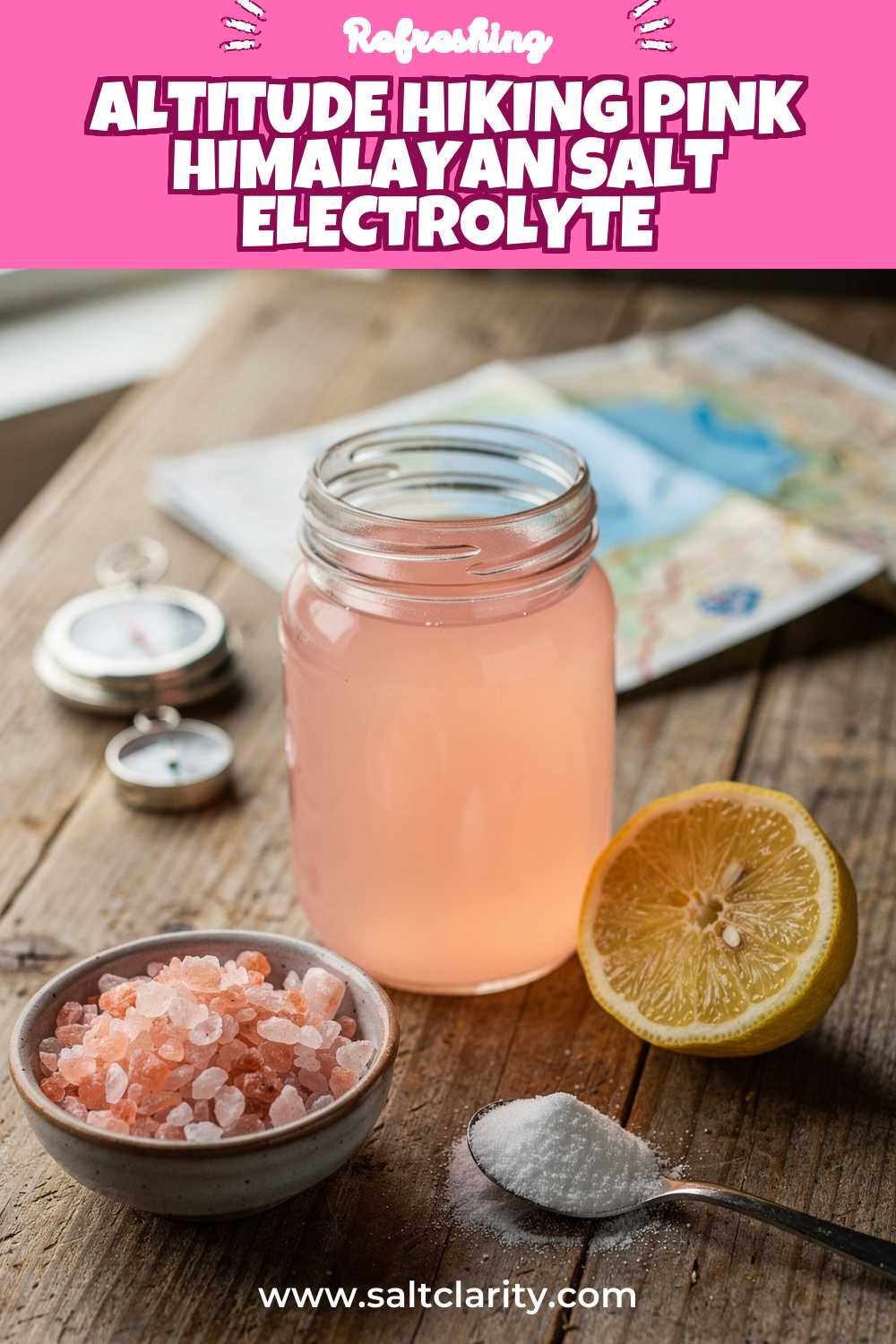
A DIY electrolyte mix designed for high-altitude hiking. This natural blend replenishes sodium, potassium, and magnesium lost through increased respiration and exertion. It helps prevent headaches, cramps, and fatigue while keeping hydration balanced.
- Total Time5min
- Yield1 liter (about 4 servings) 1x
- DietVegan, Gluten Free
Ingredients
- ¼ teaspoon (about 1.5 grams) pink Himalayan salt
- ⅛ teaspoon (about 0.5 grams) potassium chloride powder or potassium salt substitute
- ⅛ teaspoon (about 0.3 grams) magnesium citrate powder
- 1 liter fresh, clean water
- Optional: juice of ½ lemon
- Optional: 1 teaspoon honey, agave, or stevia to taste
Instructions
- Measure the pink Himalayan salt, potassium powder, and magnesium citrate powder precisely using a kitchen scale or measuring spoons.
- Combine the powders in a small bowl and mix until evenly blended.
- Fill a 1-liter bottle with fresh water.
- Add the powder blend to the water and shake or stir vigorously until fully dissolved.
- If desired, add lemon juice and sweetener. Taste and adjust flavor as needed.
- Drink according to altitude hiking protocols: sip before, during, and after your hike.
Notes
For trail use, pre-mix dry ingredients in a small zip-lock bag. Adjust sweetness and flavor with natural additions like ginger, mint, or berries. Consult a doctor if you have kidney issues, high blood pressure, or are on medication affecting mineral balance.
- Prep Time: 5min
- Cook Time: 0min
- Category: snack
- Method: mixing
- Cuisine: Global
Nutrition
- Serving Size: 4
- Calories: 5
- Sugar: 1
- Sodium: 368
- Fat: 0
- Saturated Fat: 0
- Unsaturated Fat: 0
- Trans Fat: 0
- Carbohydrates: 1
- Fiber: 0
- Protein: 0
- Cholesterol: 0
Why Electrolytes Are Non-Negotiable at High Altitude
The Science of Altitude Physiology
Altitude changes everything, even the way your body handles water and minerals. When you climb higher, the air pressure drops, which means each breath is less dense but you're still working hard to get oxygen. To compensate, your breathing rate speeds up. This is called hyperventilation. Sounds helpful, right? But it also increases water loss through respiration-your lungs drying out faster with every breath. This moisture loss isn't just water; it carries essential minerals like sodium and potassium along with it.
On top of that, higher altitudes cause your kidneys to ramp up urine production, a process known as altitude diuresis. That's your body trying to balance blood chemistry and reduce plasma volume for better oxygen transport. The downside? More frequent bathroom breaks signal loss of fluids and electrolytes.
Put it all together: faster breathing + more peeing = increased risk for electrolyte imbalance. If you're just guzzling plain water, you're washing away sodium, potassium, magnesium, and calcium without replacing them-exactly the minerals your muscles and nerves desperately need.
This explains why altitude hiking pink Himalayan salt electrolyte recipes that target these mineral losses are critical for safe, effective hydration. Your body isn't just thirsty; it's craving a precise mineral balance to function at peak.
Common Altitude-Related Symptoms Linked to Electrolyte Imbalance
The symptoms that kick in during altitude hikes are often the first clues to your electrolyte status running low:
- Headaches: The classic altitude headache can result from dehydration and sodium imbalance, which affects blood volume and cerebral fluid.
- Muscle cramps: Losing potassium and magnesium turns your perfectly good calf muscles into tight, painful knots.
- Fatigue and weakness: Electrolytes help generate nerve signals. Without enough, everything feels heavier and slower.
- Nausea and dizziness: These can be signs of early altitude sickness but also electrolyte deficits messing with your body's balance and nerve signals.
Spotting these signs early and using an electrolyte mix like one based on pink Himalayan salt helps keep your hike going strong, even as you push into those thinner, tougher air zones.
Pink Himalayan Salt vs. Other Electrolyte Sources
Mineral Content Comparison Table
When comparing your options for electrolytes, the mineral makeup really matters. Here's a quick look at how pink Himalayan salt stacks up against familiar contenders in sodium, potassium, magnesium, calcium, and a few trace minerals, based on typical content per gram:
| Mineral | Pink Himalayan Salt | Table Salt | Sea Salt | Major Commercial Mixes (e.g., LMNT) |
|---|---|---|---|---|
| Sodium (Na) | ~368 mg | ~390 mg | ~370 mg | ~350–400 mg |
| Potassium (K) | ~3–5 mg | 0 mg | ~5–15 mg | Added (varies, ~100–200 mg) |
| Magnesium (Mg) | ~1–2 mg | 0 mg | ~1–3 mg | Added (varies, ~50–100 mg) |
| Calcium (Ca) | ~2–4 mg | 0 mg | ~2–10 mg | Added (sometimes included) |
| Trace Minerals | Iron, Zinc, Manganese (trace) | None | Trace amounts | Varies by product |
Source analysis confirms pink Himalayan salt offers a richer mineral profile than refined table salt but the differences in potassium and magnesium content are tiny compared to intentional supplementation in specialized mixes such as LMNT.
The Truth About Pink Himalayan Salt's Trace Minerals
Pink Himalayan salt is often touted for its 80+ trace minerals, but in practical use for hydration and electrolyte replenishment, most of these trace minerals come in tiny amounts not impactful enough to replace dedicated potassium or magnesium sources.
So while pink Himalayan salt makes a lovely base sodium source with a subtle mineral buzz (and that telltale rosy hue), relying on it for balancing potassium or magnesium levels on altitude hikes won't cut it. For altitude hiking pink Himalayan salt electrolyte blends, adding accurate dosages of potassium and magnesium powders is essential.
Despite that, pink Himalayan salt's natural profile brings a clean, unrefined flavor and a perceived purity that many hikers appreciate over highly processed salts. The cost is typically higher than table salt but less than many commercial electrolyte mixes, so it fits well in a DIY recipe where you control what goes in.
How to Use Pink Himalayan Salt Electrolytes: Dosage, Timing, and DIY Recipes
Precise DIY Recipe for Altitude Hiking Electrolyte Mix
Here's the recipe I rely on when preparing my altitude hiking pink Himalayan salt electrolyte drink recipe. This blend balances sodium, potassium, and magnesium with simple flavor notes that make drinking easier on the trail:
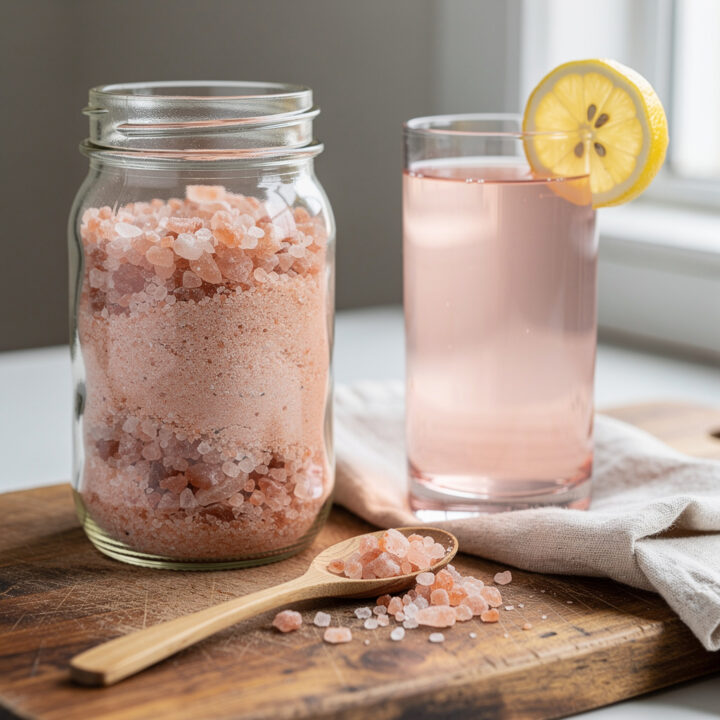
Ingredients for 1 Liter (about 4 cups) of electrolyte water:
- ¼ teaspoon (~1.5 grams) pink Himalayan salt (sodium source)
- ⅛ teaspoon (~0.5 grams) potassium chloride powder or potassium salt substitute
- ⅛ teaspoon (~0.3 grams) magnesium citrate powder
- Optional: juice of ½ lemon (for natural acidity and taste)
- Optional: 1 teaspoon honey or stevia to sweeten
Instructions:
- Measure out each powder with a kitchen scale or precise measuring spoons-accuracy matters here to avoid excessive dosing.
- Combine the powders in a small bowl and mix until evenly blended.
- Fill a 1-liter bottle with fresh, clean water.
- Add the powder blend to the water and stir or shake vigorously until fully dissolved.
- Add fresh lemon juice and honey/stevia if desired, then taste and adjust to your liking.
This is a foundation for a himalayan pink salt electrolyte drink recipe that you can tweak in flavor or concentration. The magnesium and potassium inclusion is crucial here-they support muscle and nerve function to prevent cramps often associated with altitude dehydration.
When and How Much to Drink: Pre, During, and Post-Hike Protocols
Electrolyte timing is just as important as ingredients when it comes to staying balanced at altitude:
- Before your hike: Start sipping your electrolyte drink about 30 minutes to 1 hour prior, aiming for 500 mL to 1 liter depending on your hydration needs and altitude level. This preloads your system with essential minerals.
- During the hike: Drink between 150-250 mL of the mixture every 30-45 minutes, adjusting based on how much you sweat and climb. If you're sweating heavily or climbing rapidly, more frequent sips help maintain balance.
- After the hike: Replace lost minerals by drinking another 500 mL to 1 liter within the hour post-activity to assist recovery and hydration.
Sticking to these guidelines helps prevent symptoms like headaches and cramps while managing sodium and water balance effectively. Keep in mind the balance between water and electrolytes-too much plain water can dilute salts leading to hyponatremia, while excess salt without water can cause dehydration.
Flavor Variations and Prep Tips for Trail Use
Trail-friendly hydration means flavor and convenience:
- Flavor twists: Try adding sliced ginger, fresh mint, cucumber slices, or berries for fresh, natural flavors that keep your drink interesting.
- Concentrated powder mix: Pre-mix your dry ingredients in small zip-lock bags or portable containers. This takes the guesswork out at trail rest stops-simply stir into water.
- Portability: Use lightweight, wide-mouth bottles that are easy to clean and refill. Consider collapsible bottles to save space when empty.
- Adjust sweetness: If pure lemon or vinegar taste isn't your jam, a small spoonful of honey, agave, or stevia drops can do wonders without bloat or sugar overload.
For more inspiration and variations, check out my DIY Pink Himalayan Salt Electrolyte Concentrate recipe, which is perfect if you want to prep in bulk and portion for quick use on hikes.
Top 5 Pink Himalayan Salt Electrolyte Products and Alternatives
Commercial Brands Overview (including LMNT, Nuun, Ultima)
There are plenty of ready-made solutions on the market, so how do they stack up for altitude hikes?
| Brand | Sugar Content | Sodium | Potassium | Magnesium | Convenience | Cost per Serving | Notes |
|---|---|---|---|---|---|---|---|
| LMNT | 0 g | 1000 mg | 200 mg | 60 mg | Powder stick | $$$ | High sodium, no sugar, good for heavy sweats |
| Nuun | 1 g | 300 mg | 150 mg | 25 mg | Tablet | $$ | Contains sweeteners, fizzy option |
| Ultima | 0 g | 0 mg | 250 mg | 100 mg | Powder | $$ | Low sodium, balanced minerals |
| SaltStick | Minimal | 350 mg | 100 mg | 60 mg | Capsule | $$$ | Convenient but pricey |
| DIY Mix (Pink Himalayan based) | Varies (control) | 1.5g (pink salt) | 0.5g Potassium | 0.3g Magnesium | Prepped by user | Budget friendly, customizable |
LMNT is often recommended for altitude because of its high sodium and added minerals. Nuun is nice for flavor but has some sugar. Ultima is lighter on sodium, better for those watching salt. DIY blends like the one above offer full control over mineral ratio and sugar content.
DIY vs. Store-Bought: Which Is Best for You?
Here's a quick rundown to help you decide:
| Factor | DIY Himalayan Pink Salt Electrolyte Mix | Store-Bought Brands |
|---|---|---|
| Cost | Budget friendly, especially in bulk | Often pricier per serving |
| Control | Full ingredient transparency and adjustment | Pre-set ratios and additives |
| Portability | Need to prep and package, lightweight | Convenient, ready-to-go |
| Efficacy | Scientifically tailored to needs | Tested formulas, consistency |
| Taste | Customize to preference | Varied flavor options |
If you enjoy cooking and tweaking recipes, the DIY approach gives you that satisfying "chef logic" control, especially for altitude where precision matters. If you want grab-n-go simplicity, commercial products are a great backup.
Check out my detailed review in Pink Himalayan Salt Electrolyte For Endurance Runs for more on how these mixes perform during intense activity.
Common Mistakes to Avoid When Using Electrolytes at Altitude
Overhydration and Hyponatremia Risk
Drinking electrolytes isn't a free pass to guzzle unlimited water. Drinking too much plain water without sufficient sodium can cause hyponatremia-when your blood sodium drops dangerously low. This risk grows at altitude as thirst cues get blunted and people push hydration hard.
Symptoms to watch out for include:
- Confusion or disorientation
- Nausea and vomiting
- Headaches that worsen
- Swelling of hands and feet
Prevention: Always balance your water intake with an electrolyte drink that has enough sodium. Keep track of how much water you consume versus mineral intake, especially on long hikes.
Ignoring Potassium and Magnesium Needs
Sodium often gets spotlighted because it's the main mineral lost in sweat. But potassium and magnesium are just as important.
- Potassium controls muscle contractions and heart rhythm. Low levels lead to cramps and arrhythmias.
- Magnesium supports nerve function and prevents muscle tightness, spasm, and fatigue.
Many hikers fall into the trap of treating electrolyte replenishment like a salty snack fix. DIY pink Himalayan salt electrolyte drinks with potassium chloride and magnesium citrate powder cover all bases, tackling altitude cramps and nerve support naturally.
Packing and Using Your Electrolytes on the Trail
Practical Tips for Carrying and Mixing Powdered Electrolytes
- Portion your dry mix into small zip-lock bags or reusable plastic containers before heading out.
- Use moisture-proof packaging to prevent clumping-in a dry backpack environment, powders stay free-flowing.
- Bring a bottle with measurement marks for accurate dilute mixing.
- Label bags clearly, especially if you're balancing multiple flavors or mixes.
- Have a spoon or small funnel handy for easy mixing without spills on the trail.
Signs Your Electrolyte Mix Needs Adjustment
Your body will tell you when your mix isn't right:
- Too salty or metallic taste? Cut down pink Himalayan salt or potassium powder.
- Still cramping? Consider increasing magnesium slightly.
- Mild headaches or fatigue persist? You may need more volume or frequency.
- Salt cravings? You might need to bump up sodium but monitor blood pressure if sensitive.
Tuning your personalized himalayan pink salt water recipe is part of the fun-and most effective-way to avoid altitude hydration pitfalls.
Safety Considerations and When to Consult a Doctor
Before starting any homemade electrolyte regimen, especially for altitude hiking, keep these precautions in mind:
- If you have high blood pressure, kidney disease, or heart conditions, talk to your doctor before increasing sodium or potassium.
- Interactions with certain medications (like diuretics or ACE inhibitors) can affect mineral balance.
- If symptoms of severe altitude sickness occur (prolonged nausea, breathlessness, confusion), seek medical help immediately.
- Always balance electrolyte intake with your activity level and personal sweat losses.
Taking these steps helps keep your pink Himalayan salt for energy water recipe a safe and effective tool for altitude hydration.
Conclusion
Using a DIY altitude hiking pink Himalayan salt electrolyte drink recipe gives you a science-backed, natural way to support your body as it adapts to mountain air. By intentionally replacing sodium, potassium, and magnesium lost through faster breathing and diuresis, you'll dodge cramps, headaches, and fatigue, staying light on your feet and ready to explore.
This friendly, customizable approach embraces the Salt Clarity philosophy: tiny pink-salt pinches yield big flavor and better hydration without the fluff or fuss. Remember to prep ahead, pace your intake around your hike, and listen to your body's cues to tweak the mix just right.
I'd love to hear how your DIY pink Himalayan salt electrolyte recipe works out-let me know in the comments! And when you're ready for more hydration inspiration, swing by my guides for Pink Himalayan Salt Electrolyte Drink or check out creative spins like the Sparkling Pink Himalayan Salt Electrolyte Drink.
Here's to safe, delicious hydration on every high-altitude adventure-cheers to sipping smart and trekking strong!
FAQs about Altitude Hiking Pink Himalayan Salt Electrolyte
The amount of salt needed varies depending on individual needs and activity level. A general guideline is to increase your sodium intake, but it's best to consult with a healthcare professional or a registered dietitian for personalized recommendations. Excessive salt intake can also be harmful, so moderation is key.
Pink Himalayan salt contains trace minerals, including sodium, which is an essential electrolyte. While it can contribute to electrolyte balance, it doesn't provide the full spectrum of electrolytes needed during strenuous activity like hiking. Consider using a balanced electrolyte supplement in addition to Himalayan salt.
Pink Himalayan salt can help with dehydration because sodium helps the body retain water. By replenishing sodium lost through sweat, it can contribute to better hydration, especially during activities like altitude hiking. However, it is crucial to consume sufficient water alongside salt intake.
For altitude sickness, key electrolytes include sodium, potassium, and magnesium. Sodium helps with fluid balance, potassium supports muscle function, and magnesium can aid in reducing fatigue and headaches. A balanced electrolyte supplement or drink mix can help replenish these electrolytes during altitude hiking.
You can use Himalayan salt for electrolytes by adding a pinch to your water or food during and after hiking. Some people also create a homemade electrolyte drink by combining Himalayan salt, lemon juice, and a touch of honey or maple syrup. Remember to consume adequate water along with it to stay hydrated.
Symptoms of electrolyte imbalance at high altitude can include muscle cramps, fatigue, nausea, headache, dizziness, and confusion. Severe imbalances can lead to more serious complications like seizures or irregular heartbeat. Maintaining proper hydration and electrolyte intake is crucial to prevent these symptoms.
💬 Lets Stay Connected!
For daily recipes, kitchen tips, and exclusive content, follow me on:
👉 Facebook for behind the scenes & community fun
👉 Pinterest for visual inspiration & meal ideas
👉 X (Twitter) for quick tips & trending recipes
📲 Join the flavor journey, your next favorite recipe is just a follow away!



Leave a Reply