
Introduction
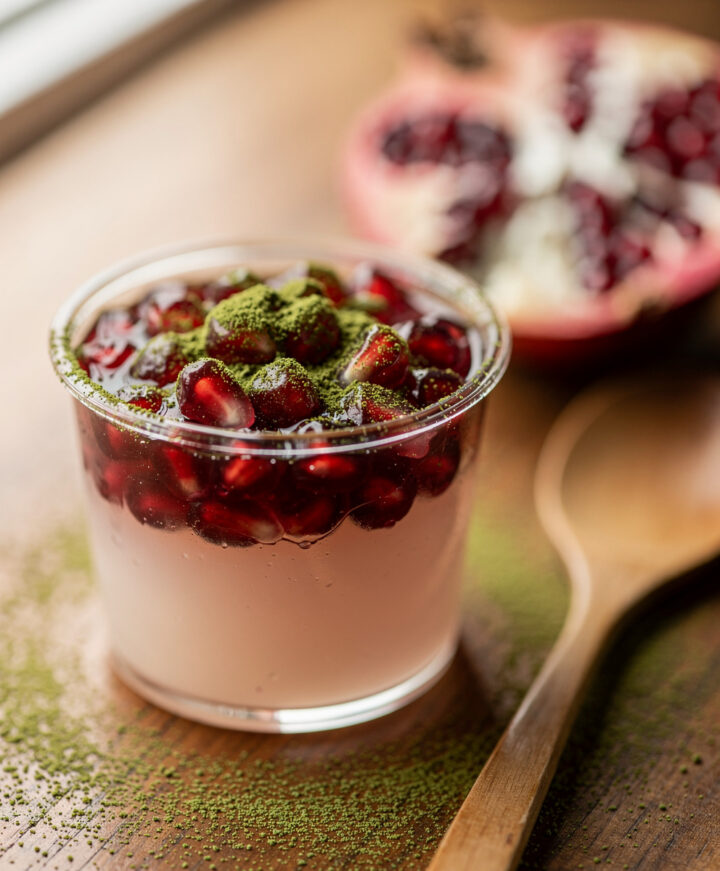
This simple gelatin recipe, inspired by Dr. William Li, delivers a powerful dose of gut-healing amino acids with every silky spoonful. It is a delicious way to support your body's natural collagen production and soothe inflammation from within.
Jump to:
- Introduction
- Who Is Dr. William Li and What Is Angiogenesis?
- The Science Behind the Dr. William Li Gelatin Recipe
- Health Benefits of the Dr. William Li Gelatin Recipe
- How to Make the Dr. William Li Gelatin Recipe
- dr william li gelatin recipe
- Creative Variations and Healthier Alternatives
- Who Should Try This Recipe? (And Important Precautions)
- How to Incorporate into Your Routine
- Storing and Making Ahead
- Conclusion: A Simple Step Toward Food-Based Healing
- FAQs about dr william li gelatin recipe
I still remember standing in my grandmother's Queens kitchen watching her pour warm broth into little glass cups every Sunday morning. She called it her "beauty medicine." Back then I thought it was just a quirky habit. Turns out, she was ahead of the curve by about forty years.
The Dr. William Li gelatin recipe has been making quiet waves in wellness circles, and for good reason. It is not a trend diet or a complicated supplement stack. It is a humble, science-backed preparation that sits at the intersection of ancient food wisdom and modern vascular biology.
If you have been curious about what this recipe actually does, how to make it properly, and whether it is worth building into your routine, you are in the right place. We are going slow, getting into the science without the overwhelm, and coming out the other side with a recipe you will actually want to make again. Regular kitchen, regular time, great results.
Who Is Dr. William Li and What Is Angiogenesis?
Dr. William Li: An Authority in Food-As-Medicine
Dr. William Li is a Harvard-trained physician, researcher, and author best known for his groundbreaking book Eat to Beat Disease. He is the president and medical director of the Angiogenesis Foundation, an organization he co-founded to study how blood vessel growth connects to over seventy diseases, including cancer, diabetes, and heart disease.
His central argument is both thrilling and accessible: the food you eat can activate your body's own defense systems. Not just support them. Actually switch them on. The Dr. William Li gelatin recipe sits inside that broader framework, designed to feed your body's healing infrastructure rather than just fill a calorie gap.
Demystifying Angiogenesis: The Role in Health and Disease
Angiogenesis is your body's process of growing new blood vessels. That sounds neutral, maybe even good. And sometimes it is. Your body needs to build new vessels after an injury or during pregnancy. But when angiogenesis runs unchecked, it can feed tumors, fuel inflammation, and accelerate chronic disease.
Think of it like a garden hose. Controlled water flow keeps your plants alive. A burst pipe destroys the whole yard. Certain foods, including key ingredients in the Dr. William Li gelatin recipe, act like natural pressure regulators. They signal the body to grow vessels where needed and slow down where growth is doing harm. That is the anti-angiogenic principle in plain language.
The Science Behind the Dr. William Li Gelatin Recipe
Gelatin and Collagen: What Is the Difference and Why It Matters
This is a question that trips people up constantly, so let us clear it up once and for all.
Gelatin is cooked collagen. When you simmer animal bones or connective tissue for a long time, the collagen proteins unwind and partially break down into gelatin. It gels when cool, melts when warm, and carries a rich amino acid profile, especially glycine and proline.
Hydrolyzed collagen peptides are gelatin taken one step further. They are broken down even more aggressively, usually by enzymes, so the chains are shorter and dissolve easily in cold or warm liquid without gelling. Here is a simple comparison:
| Property | Gelatin | Collagen Peptides |
|---|---|---|
| Texture | Gels when chilled | Stays liquid, no gel |
| Best use | Recipes requiring structure | Smoothies, coffee, daily drinks |
| Bioavailability | Good, slightly slower | High, fast absorption |
| Cost | Generally lower | Generally higher |
| Gut lining support | Strong (larger peptides coat gut wall) | Good, slightly less structural |
| Skin and joint impact | Excellent | Excellent |
For the Dr. William Li gelatin recipe specifically, true gelatin, preferably from grass-fed bovine sources, is the better choice. The gelling structure itself plays a role in how the amino acids interact with your gut lining. Do not swap it for collagen peptides in this preparation and expect the same result.
Anti-Angiogenic Components in the Recipe
The power of this recipe comes from synergy. Each ingredient contributes a unique anti-angiogenic or health-supporting compound.
- Gelatin (Glycine & Proline): These amino acids are the literal building blocks for your own collagen. They support the integrity of your gut lining, which is your first line of defense against inflammation. A healthy gut lining prevents unwanted particles from leaking into the bloodstream, a process linked to systemic inflammation that can fuel abnormal angiogenesis.
- Pomegranate Juice (Ellagitannins & Punicalagins): This is the star anti-angiogenic component. Studies, including those cited by Dr. Li, show pomegranate compounds can inhibit the formation of new blood vessels that feed unhealthy tissue. It is a potent, food-based regulator.
- Green Tea (EGCG): Epigallocatechin gallate (EGCG) is a well-researched anti-angiogenic compound. It works on multiple pathways to help normalize blood vessel growth.
- Optional Citrus (Vitamin C & Flavonoids): Vitamin C is a cofactor for collagen synthesis, your body needs it to use the amino acids from gelatin. Citrus flavonoids also have anti-inflammatory and vascular-protective properties.
Together, these ingredients create a multi-targeted, food-as-medicine preparation. It is a simple example of how strategic healthy recipes can be designed to support specific bodily systems.
Health Benefits of the Dr. William Li Gelatin Recipe
Gut Health and Leaky Gut Support
This is arguably the recipe's most immediate benefit. The amino acids in gelatin, particularly glycine, help repair and maintain the mucosal lining of your intestines. Think of it as a soothing, healing broth in a solid, portable form. For anyone dealing with gut irritation or working to heal a leaky gut, this recipe provides direct nutritional support to the intestinal wall, making it a fantastic companion to other gut-healing strategies.
Skin, Hair, and Nail Health
Your skin is your body's largest organ, and it is made of roughly 75-80% collagen. By providing the raw materials (amino acids) and the necessary cofactor (vitamin C), this recipe supports your body's endogenous collagen production. Consistent consumption can lead to improved skin elasticity, hydration, and a reduction in the appearance of fine lines. Stronger hair and nails are a common happy side effect.
Joint and Connective Tissue Support
The glycine and proline in gelatin are not just for skin; they are crucial components of cartilage, tendons, and ligaments. Regular intake can help reduce joint stiffness and support the repair of connective tissues, making it beneficial for athletes, those with arthritis, or anyone experiencing general aches and pains.
Anti-Inflammatory and Angiogenesis Regulation
Chronic inflammation is a root driver of most modern diseases and is tightly linked to dysregulated angiogenesis. The combined anti-inflammatory and anti-angiogenic compounds in pomegranate and green tea help calm systemic inflammation. This makes the recipe a proactive, dietary approach to creating an internal environment that is less hospitable to chronic disease progression. It aligns perfectly with the concept of using food as a natural tool for systemic balance.
How to Make the Dr. William Li Gelatin Recipe
Print
dr william li gelatin recipe
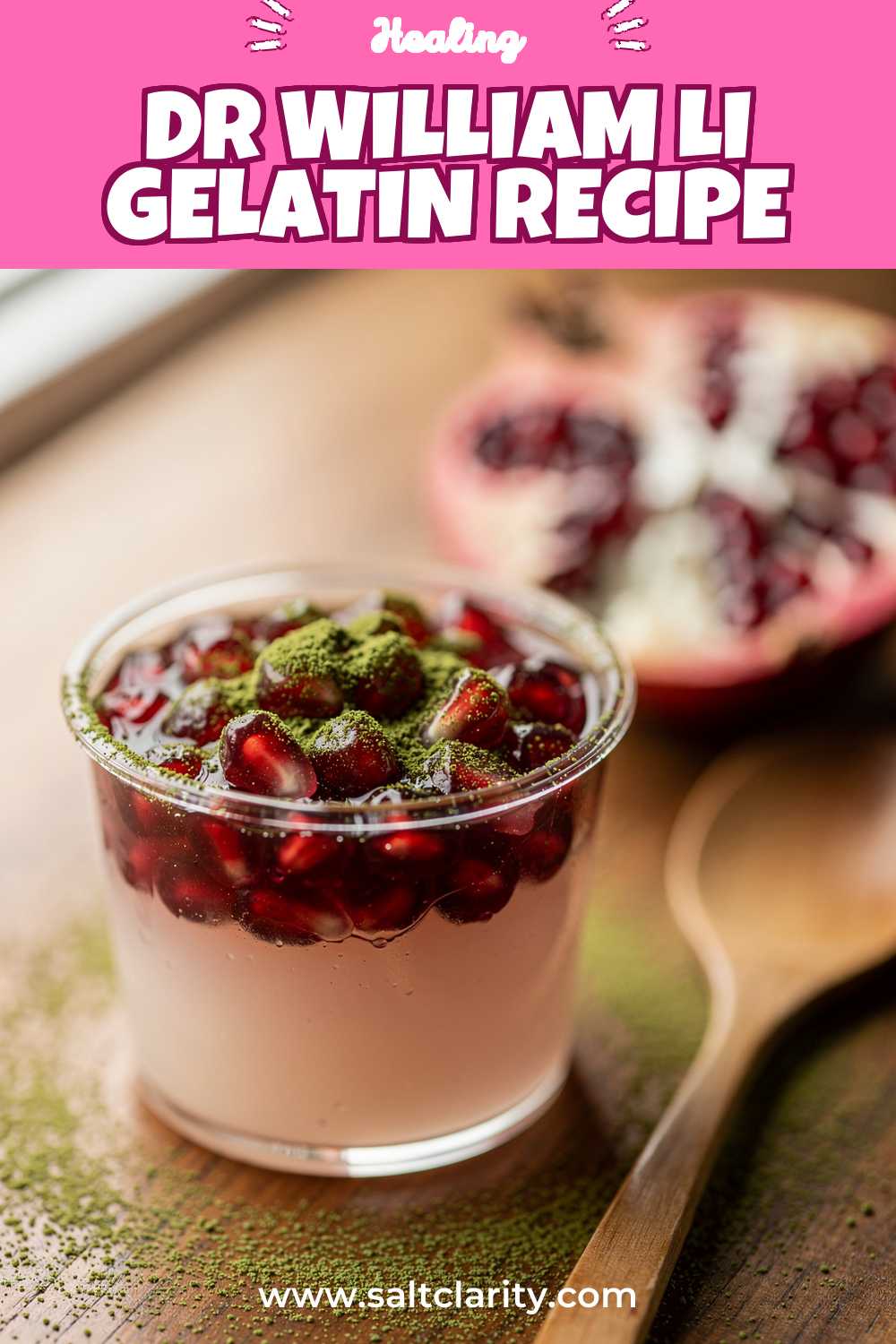
A simple, science-backed gelatin recipe inspired by Dr. William Li. This preparation harnesses grass-fed gelatin and anti-angiogenic ingredients to support gut lining repair and overall wellness. It sets into a soft, silky gel perfect for daily consumption.
- Total Time4h 10min
- Yield4 servings 1x
- DietGluten Free
Ingredients
- 2 cups unsweetened pomegranate juice or tart cherry juice
- 4 tablespoons grass-fed beef gelatin powder
- ¼ cup cold water
- 1 tablespoon raw honey or pure maple syrup (optional)
- ¼ teaspoon ground cinnamon
- Pinch of sea salt
Instructions
- Pour the cold water into a medium bowl. Sprinkle the gelatin powder evenly over the water. Do not stir. Let it bloom for 5 minutes until it looks like wet sand.
- In a small saucepan, gently heat the fruit juice over medium-low heat until it is just warm, not boiling.
- Slowly pour the warm juice into the bowl with the bloomed gelatin. Whisk continuously until the gelatin is completely dissolved and the mixture is smooth.
- Whisk in the optional sweetener, cinnamon, and sea salt until fully incorporated.
- Pour the mixture into 4 small glass jars or ramekins. Let them cool to room temperature, then cover and refrigerate for at least 4 hours, or until fully set.
- To serve, eat directly from the jar with a spoon. Consume one serving daily, preferably on an empty stomach in the morning or between meals.
Notes
Use 100% pure juice with no added sugar for best results. Do not substitute with hydrolyzed collagen peptides, as the gelling property of true gelatin is important for gut coating. For a stronger anti-angiogenic boost, consider adding a sprinkle of matcha powder before chilling.
- Prep Time: 5min
- Cook Time: 5min
- Category: snack
- Method: simmering
- Cuisine: American
Nutrition
- Serving Size: 4
- Calories: 80
- Sugar: 10
- Sodium: 25
- Fat: 0
- Saturated Fat: 0
- Unsaturated Fat: 0
- Trans Fat: 0
- Carbohydrates: 12
- Fiber: 0
- Protein: 7
- Cholesterol: 0
Ingredients List
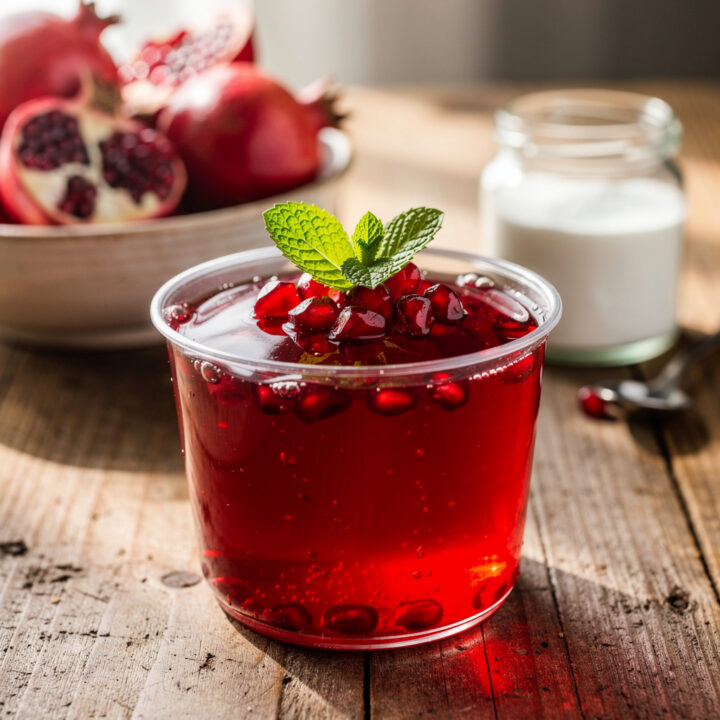
- 2 cups 100% pure pomegranate juice (unsweetened)
- 2 tablespoons high-quality grass-fed beef gelatin
- 1 bag green tea (or 1 teaspoon loose leaf)
- 1-2 tablespoons fresh lemon or orange juice (optional, for vitamin C)
- Natural sweetener to taste, like a touch of honey or maple syrup (optional)
Step-by-Step Instructions
- Bloom the Gelatin: Pour ½ cup of the pomegranate juice into a small bowl. Sprinkle the gelatin powder evenly over the surface. Do not stir. Let it sit for 5-10 minutes until the granules absorb the liquid and become translucent and spongy. This "blooming" step prevents clumps.
- Steep the Tea: While the gelatin blooms, heat the remaining 1 ½ cups of pomegranate juice in a small saucepan over medium heat until it is just about to simmer (do not boil). Remove from heat, add the green tea bag, and let it steep for 5 minutes. Remove and discard the tea bag.
- Combine and Dissolve: Add the bloomed gelatin mixture to the warm tea-infused juice in the saucepan. Return the pan to low heat. Whisk constantly for 2-3 minutes until the gelatin is completely dissolved and no granules are visible. Do not let it boil.
- Add Final Touches: Remove from heat. Whisk in the optional citrus juice and sweetener, if using.
- Pour and Set: Pour the mixture into a glass container, silicone mold, or individual serving cups. Carefully skim off any foam from the surface with a spoon for a clearer set.
- Chill: Refrigerate for at least 4 hours, or until completely firm.
Important Tips for Success
- Do Not Boil: High heat can destroy the gelling ability of gelatin and damage some of the delicate compounds in the tea and juice. Gentle heat is key.
- Quality Matters: Use the best ingredients you can find. 100% pomegranate juice with no added sugar and a clean, grass-fed gelatin will yield the best results and maximum health benefits.
- Test for Set: The gelatin should be firm to the touch and jiggle as a single unit. If it is still liquid, it needs more time.
Creative Variations and Healthier Alternatives
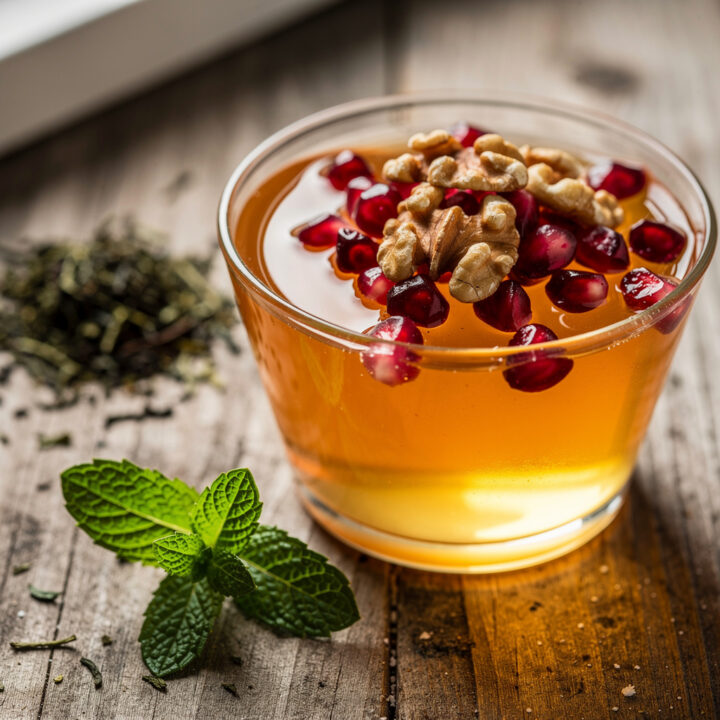
The basic formula is wonderfully adaptable. Feel free to experiment once you have mastered the original.
- Tea Swaps: Try matcha green tea for a more intense EGCG boost, hibiscus tea for extra anthocyanins, or rooibos tea for a caffeine-free option.
- Juice Alternatives: Tart cherry juice is excellent for inflammation and sleep (thanks to its melatonin content). Blueberry or blackcurrant juice are also packed with anti-angiogenic anthocyanins.
- Herbal Infusions: Add a sprig of fresh mint or a slice of ginger to the warm juice for an extra digestive and anti-nausea kick.
- Texture & Serving: For a softer, spoonable "panna cotta" texture, reduce the gelatin by ½ tablespoon. Serve set gelatin cubes in a bowl with fresh berries, a dollop of coconut yogurt, or a sprinkle of chopped nuts. This approach can make it a satisfying component of your low calorie meal planning.
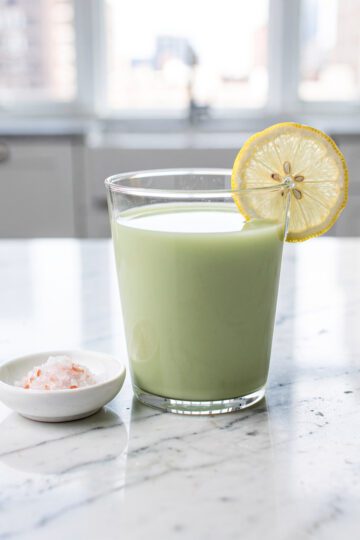
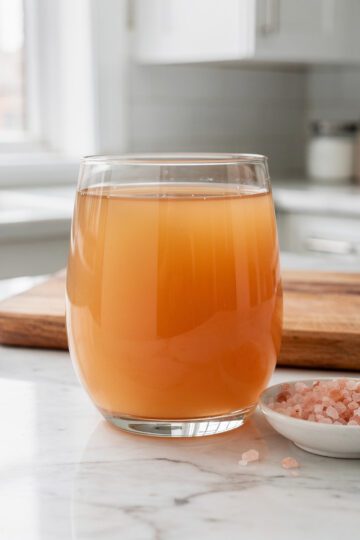
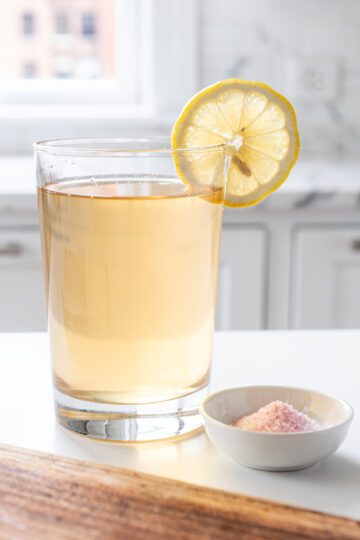
If you prefer a warm drink format over a set jelly, the Himalayan salt gelatin drink applies the same amino acid principles in a three-minute morning tonic.
This recipe is one of several expert-inspired approaches in the collection, the gelatin for weight loss complete guide puts them all in context with the full protocol and underlying science.
Who Should Try This Recipe? (And Important Precautions)
Ideal For:
- Individuals looking to support gut health and integrity.
- Anyone wanting to improve skin, hair, and nail quality from within.
- People with joint discomfort or wanting to support connective tissue.
- Those interested in a practical, food-based approach to reducing inflammation.
- Anyone seeking natural alternatives to support overall metabolic and vascular health.
Precautions and Considerations:
- Medication Interactions: If you are on blood-thinning medications (like warfarin), consult your doctor before regularly consuming high amounts of pomegranate or green tea, as they can have mild blood-thinning effects.
- Sugar Content: Even 100% fruit juice contains natural sugars. If you are managing blood sugar issues, consume in moderation and consider diluting the juice with water or herbal tea.
- Allergies: Ensure you are not allergic to any ingredients. Bovine gelatin is not suitable for vegetarians/vegans; marine-based gelatin (from fish) is an alternative.
- Pregnancy/Breastfeeding: While generally safe, it is always best to consult with a healthcare provider before making significant dietary changes during pregnancy or lactation.
How to Incorporate into Your Routine
Consistency is more important than quantity. Aim for a small serving (about ½ cup) most days of the week.
- Breakfast: Have it as a first thing, gut-soothing "appetizer."
- Snack: A perfect afternoon pick-me-up that stabilizes energy.
- Dessert: A satisfying, healthy end to a meal like those found in our GLP-1 supportive recipes.
- Pre-Workout: The easily digestible protein can be great about 30-60 minutes before exercise.
Storing and Making Ahead
This recipe is ideal for meal prep. It will keep in a sealed container in the refrigerator for up to 5 days. You can make a batch on Sunday and enjoy it throughout the week. It does not freeze well, as freezing and thawing can break down the gel structure and create a watery, rubbery texture.
Conclusion: A Simple Step Toward Food-Based Healing
The Dr. William Li gelatin recipe is more than a trendy health snack. It is a tangible, delicious application of the "food as medicine" philosophy. It takes complex scientific principles, angiogenesis regulation, gut lining repair, collagen synthesis, and delivers them in a form your grandmother would recognize.
You do not need a medical degree or a gourmet kitchen to benefit. You just need a few quality ingredients and ten minutes of patience. By making this recipe a small, consistent part of your life, you are actively choosing to nourish your body's deepest healing processes. In a world of complicated health advice, that is a powerfully simple act. For more ways to use food strategically to support your wellness goals, explore our guide to natural recipes for metabolic health.
FAQs about dr william li gelatin recipe
Dr. William Li's gelatin recipe is believed to support gut health and reduce inflammation. It may also promote healthy skin, hair, and nails due to gelatin's collagen content. Some believe it helps with joint pain.
Dr. Li typically recommends using grass-fed gelatin powder for his recipe. This ensures a higher quality of collagen and fewer additives. He often emphasizes using unflavored gelatin.
There's no official guideline, but many consume Dr. Li's gelatin recipe daily. A common practice is to have it once a day. Listen to your body and adjust the frequency as needed.
While you can technically use flavored gelatin, it's not recommended for Dr. Li's core recipe. Flavored gelatin often contains added sugars, artificial colors, and other undesirable ingredients. Using unflavored gelatin allows you to control the added ingredients.
Typically, the recipe involves dissolving gelatin in cold water first, then adding warm or hot water to fully dissolve it. Some variations include adding fruits, vegetables, or spices for flavor and added benefits. Following a specific recipe from Dr. Li's materials is best for accurate instructions.
Gelatin is generally safe for consumption, but some individuals may experience mild digestive issues. These can include bloating or gas. If you have concerns, consult with your healthcare provider.
💬 Let's Stay Connected!
For daily recipes, kitchen tips, and exclusive content, follow me on:
👉 Facebook for behind-the-scenes & community fun
👉 Pinterest for visual inspiration & meal ideas
👉 X (Twitter) for quick tips & trending recipes
📲 Join the flavor journey, your next favorite recipe is just a follow away!
Disclaimer: This content is provided for general informational and educational purposes only. It is not intended as medical, nutritional, or professional advice. Always consult a qualified healthcare professional or registered dietitian before making changes to your diet, health routine, or lifestyle. Individual needs and results may vary.
Leave a Reply