
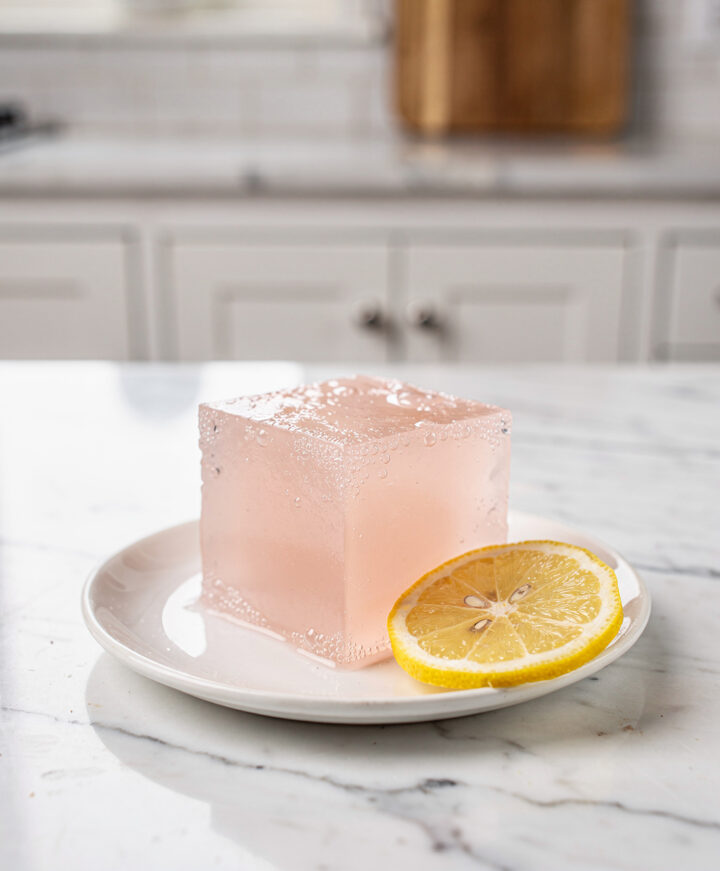
You can whip up a batch in under five minutes with just water and unflavored powder, making the ice gelatin trick weight loss one of the simplest kitchen hacks for curbing appetite. I tested it myself after a TikTok creator froze a cup of sugar-free gelatin, ate it 20 minutes before dinner, and claimed she dropped 14 pounds in six weeks. The comments went absolutely wild.
The appeal is real. It costs pennies, takes minimal effort, and clocks in at roughly 25 calories per serving. But is the science there, or is this just another wellness trend dressed up as a hack?
My goal here is straightforward: cut through the noise, give you the actual mechanisms at play, and hand you a practical protocol that works in a regular kitchen on a regular schedule. I pulled apart the research, ran the recipe variations myself, and here is what I found.
Before you reach for the Knox, let us understand exactly what this trick is and what it is not. For a deeper look at how gelatin fits into a broader eating strategy, the complete gelatin weight loss protocol walks through the full picture with additional context on timing and pairing.
Jump to:
- ice gelatin trick weight loss
- What Exactly Is the Ice Gelatin Trick for Weight Loss?
- The Real Science Behind Why the Ice Gelatin Trick Might Work
- The "Ice" Part: Thermogenesis or Myth?
- Gelatin vs. Collagen Peptides: The Mistake That Breaks the Trick
- How to Make the Ice Gelatin Trick Correctly
- Pink Himalayan Salt: A Small Addition With Specific Purpose
- A 4-Week Sustainability Protocol: Turning a Trick Into a Habit
- The Honest Bottom Line: What the Ice Gelatin Trick Can and Cannot Do
- The Frozen Verdict: Why This Trick Is Worth Trying Correctly
- FAQs about ice gelatin trick weight loss
ice gelatin trick weight loss
This low calorie frozen gelatin snack is a simple pre meal satiety hack. Made with unflavored gelatin and water it creates a volume rich cube that helps curb appetite before meals. A pinch of pink salt enhances flavor for better adherence.
- Total Time5min plus setting time
- Yield1 serving 1x
- DietGluten Free, Low Calorie, Sugar Free
Ingredients
- 1 packet (7g) unflavored gelatin (e.g. Knox)
- 240ml cold water
- 60ml boiling water
- juice of half a lemon (optional)
- pinch of pink Himalayan salt (about ¼ teaspoon)
Instructions
- Pour 60ml of boiling water into a small bowl and sprinkle the gelatin packet over it. Stir continuously for 2 minutes until the gelatin is fully dissolved with no granules visible.
- Add 240ml of cold water and stir to combine evenly. If using, add lemon juice and a pinch of pink Himalayan salt, then stir again.
- Pour the mixture into a silicone mold, small bowl, or ice cube tray. For a gelled version, refrigerate for 2 to 3 hours. For a semi frozen slush, freeze for 3 to 4 hours. For solid cubes, freeze overnight.
- Eat the frozen or gelled gelatin cube 15 to 20 minutes before your largest meal to help reduce appetite.
Notes
Do not substitute collagen peptides as they will not gel. The frozen version takes longer to eat which enhances satiety signals. Adding a pinch of pink Himalayan salt improves flavor and provides trace minerals during a calorie deficit.
- Prep Time: 5min
- Cook Time: 0min
- Category: snack
- Method: no cook
- Cuisine: American
Nutrition
- Serving Size: 1
- Calories: 25
- Sugar: 0
- Sodium: 120
- Fat: 0
- Saturated Fat: 0
- Unsaturated Fat: 0
- Trans Fat: 0
- Carbohydrates: 0
- Fiber: 0
- Protein: 6
- Cholesterol: 0
What Exactly Is the Ice Gelatin Trick for Weight Loss?
The Two Common Versions: Gelled vs. Frozen
The ice gelatin trick weight loss method shows up in two main forms across social media.
Version A is the chilled, gelled cube. You bloom unflavored gelatin in hot water, add cold water, and refrigerate until set. Eat it about 20 minutes before your largest meal.
Version B is the frozen version, the one that actually went viral. Same base recipe, but you freeze it into solid cubes or a semi-frozen slush. This is the "ice" the name refers to. Not ice water. Not a cold beverage. The texture itself, frozen or near-frozen gelatin.
The standard recipe is simple: one packet of unflavored or sugar-free gelatin, cold water, optional lemon juice, optional apple cider vinegar, and a pinch of pink Himalayan salt. That is it. It originated in the 2023 to 2024 TikTok and Instagram wellness space and carries no clinical protocol behind it.
Why the Frozen Version Behaves Differently
This is where most competitor articles drop the ball entirely.
A solid frozen gelatin cube takes significantly longer to eat than a soft chilled one. That slower eating pace is the whole game. Satiety signals from your gut take 15 to 20 minutes to reach your brain. If you finish your pre-meal snack in 90 seconds, you have lost most of that advantage.
Semi-frozen slush sits in the middle. Hard cube sits at the top of the oral processing time scale. The slower you eat the pre-meal portion, the more likely your hunger hormones have time to register before you stack a full plate. That behavioral mechanism is the most defensible weight loss claim this trick has, and almost no one is talking about it clearly.
The Real Science Behind Why the Ice Gelatin Trick Might Work
Volume Eating and Gastric Stretch: The Primary Mechanism
Your stomach has stretch receptors that send satiety signals to your hypothalamus when they detect volume. High-volume, low-calorie foods trigger this response earlier, before you have consumed a large number of calories.
Unflavored gelatin set with water is roughly 95 to 98 percent water by volume. A 120ml serving of unsweetened, unflavored gelatin runs about 10 to 20 calories. That is a substantial volume hit for almost zero caloric cost.
Barbara Rolls' Volumetrics research at Penn State showed that consuming low-energy-density foods before a meal can reduce subsequent caloric intake by 12 to 20 percent. The gelatin pre-load works on exactly this principle. Volume in, appetite edge off, smaller main meal.
Verdict on this mechanism: plausible and supported by existing research.
Protein's Role in Satiety: Modest but Real
Gelatin is roughly 85 to 90 percent protein by dry weight, but here is the catch. It is an incomplete protein. It lacks tryptophan, which means it cannot pull the full amino acid signaling load that, say, eggs or Greek yogurt can.
A standard 7g packet of unflavored gelatin delivers about 6 grams of protein. That modest amount does stimulate GLP-1 and PYY release, both satiety hormones. Short-term studies support the idea that even small protein pre-loads can reduce meal intake.
But 6 grams is not a high-protein pre-load. It is supportive. The volumetric mechanism is still doing the heavy lifting here.
Verdict: gelatin protein hunger suppression is real, but secondary.
The "Ice" Part: Thermogenesis or Myth?
What Cold Food Actually Does to Your Metabolism
Let us name the number no one else will say clearly.
Consuming roughly 500ml of ice-cold water burns approximately 8 to 10 extra calories through warming thermogenesis. That figure comes from Boschmann et al., published in the Journal of Clinical Endocrinology and Metabolism in 2003. One frozen gelatin cup is a fraction of that volume. The warming cost lands around 3 to 6 extra calories.
Brown adipose tissue activation, the mechanism behind sustained thermogenic fat burning, requires prolonged cold exposure. Cold rooms. Ice vests. Ice baths repeated over time. Not a single pre-meal frozen snack.
The cold food thermic effect calories argument is essentially symbolic at the doses this trick uses. Not zero, but nowhere near meaningful for weight loss math.
Verdict: the thermogenesis claim does not hold up at practical doses.
The Behavioral Advantage of Cold Texture
Here is what does hold up.
The legitimate value of the "ice" in the ice gelatin trick weight loss method is not metabolic. It is behavioral. A cold, hard, or semi-frozen texture physically slows how fast you eat. Slower eating gives your gut hormones time to do their job. That 15 to 20 minute satiety signal window is exactly the gap the frozen texture fills.
This is a psycho-behavioral mechanism, not a thermogenic one. The distinction matters because it tells you exactly which version of the recipe to make. Soft and gelled is good. Frozen is better, because it takes longer to eat.
Gelatin vs. Collagen Peptides: The Mistake That Breaks the Trick
Why They Are NOT Interchangeable for This Method
This is the most common and most costly mistake people make with the ice gelatin trick weight loss approach. They grab collagen peptides instead of gelatin powder because they look similar on the shelf.
They are not interchangeable. At all.
| Property | Gelatin | Collagen Peptides |
|---|---|---|
| Gelling ability | Yes, forms solid gel | No, stays liquid |
| Freezing behavior | Solid, scoopable cube | Liquid ice, no texture |
| Protein completeness | Incomplete | Incomplete |
| Cost per serving | Lower, roughly $0.10 to $0.15 | Higher, roughly $0.80 to $1.50 |
| Best use case | Ice gelatin trick | Hot drinks, smoothies |
Collagen peptides are hydrolyzed. They dissolve in cold water and will not gel under any circumstances. Pour them into a mold, refrigerate or freeze, and you get flavored ice or a puddle. The textural mechanism that makes the trick work disappears entirely.
If you want the frozen gelatin snack low calorie format to function as intended, only traditional unflavored gelatin works. Knox, Great Lakes Unflavored, or any standard bloom-grade gelatin powder.
When Collagen Peptides Have Their Own Value
Collagen peptides are not inferior. They just serve a different purpose.
For joint support during a caloric deficit combined with exercise, collagen peptides have legitimate evidence behind them. They dissolve easily in coffee, smoothies, and warm drinks. That is their lane.
For the ice gelatin trick, they simply do not work. Different tool, different job. Use each where it actually belongs.
How to Make the Ice Gelatin Trick Correctly
The Base Recipe: Step-by-Step
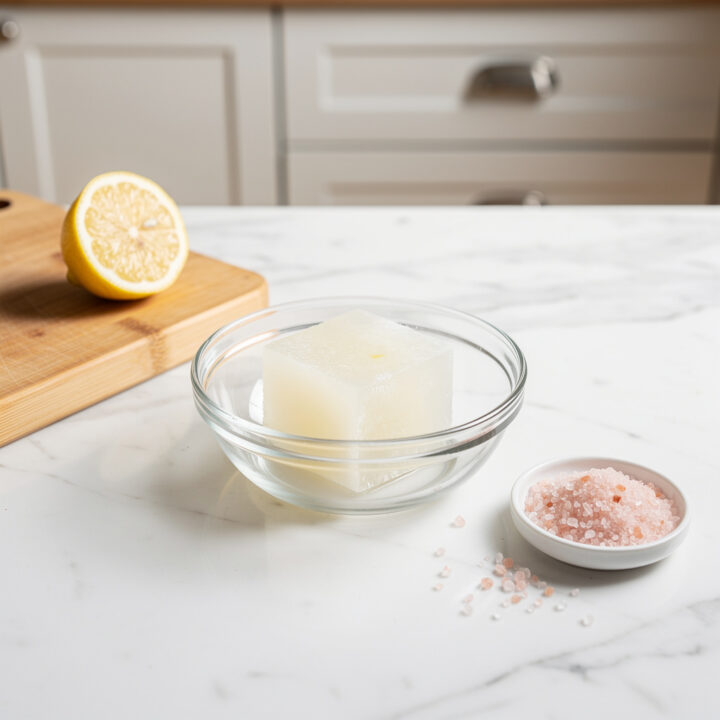
Ingredients, 1 serving:
- 1 packet (7g) unflavored gelatin, Knox or equivalent
- 240ml cold water plus 60ml boiling water to bloom
- Optional: juice of half a lemon, pinch of pink Himalayan salt
- Optional: 1 teaspoon apple cider vinegar
Method:
- Pour 60ml of boiling water over the gelatin packet. Stir for two minutes until fully dissolved, no granules visible.
- Add 240ml of cold water and stir to combine.
- Pour into a silicone mold, small bowl, or ice cube tray.
- Refrigerate 2 to 3 hours for a gelled version. Freeze 3 to 4 hours for semi-frozen slush. Freeze overnight for solid cubes.
- Eat it 15 to 20 minutes before your largest meal.
Calorie count: approximately 25 kcal per serving, unflavored, no added sugar.
Three Tested Flavor Variations
Plain unflavored gelatin has a flat, faintly gluey taste that sends people straight back to TikTok to say the trick does not work. The flavor is the problem, not the method. Fix it with one of these:
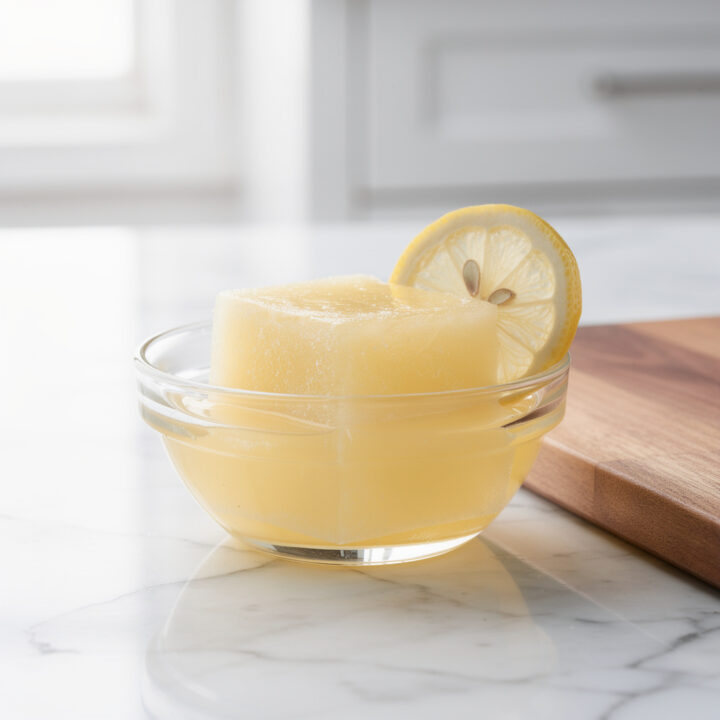
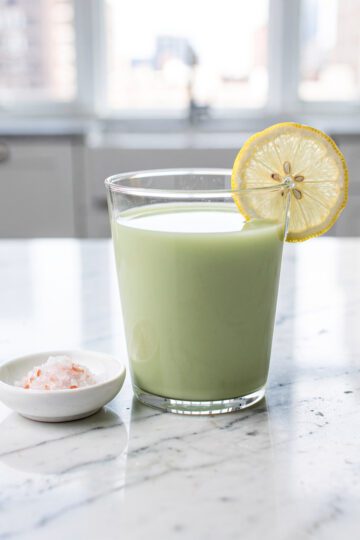
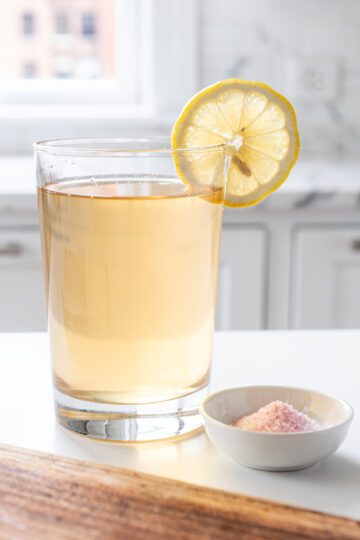
- Citrus Electrolyte Cube: lemon juice plus a pinch of pink Himalayan salt plus cold water. Savory-tart, refreshing, and it completely masks the neutral gelatin base.
- Berry Satiety Slush: blend 30g of frozen mixed berries into the liquid before setting. Adds antioxidants, bumps volume, adds only 5 to 8 extra calories.
- Green Tea and Ginger Cube: brew 120ml of green tea, cool it completely, use it as your liquid base. Mild caffeine, anti-inflammatory gingerols, zero added calories.
Pink Himalayan Salt: A Small Addition With Specific Purpose
Why Adding a Pinch Changes More Than the Flavor
Here is where most ice gelatin trick weight loss tutorials skip something genuinely important.
Plain unflavored gelatin has a faint, rubbery aroma and a completely flat flavor profile. That combination drives abandonment within the first week. Most people do not fail the method. They fail the taste test and quit.
A pinch of pink Himalayan salt, about a quarter teaspoon, rounds the entire flavor of the cube. It creates a background mineral note that makes the gelatin taste intentional rather than medicinal. That palatability shift directly supports long-term adherence, and adherence is the whole trick with any pre-meal satiety strategy.
There is also an electrolyte angle worth naming. When you eat less at meals, which is the point of this protocol, your overall sodium and trace mineral intake can quietly drop. Pink Himalayan salt contributes sodium alongside trace amounts of magnesium and potassium. Not therapeutic doses, but meaningful support during a caloric deficit.
Tiny pink-salt pinches, big flavor. That is the Salt Clarity philosophy in one application. For more ways pink salt works in detox and low-calorie recipes, the pink Himalayan salt detox recipe guide is worth a read.
Adding a pinch to your gelatin cube solves the palatability barrier that causes most people to quit and gives your body a small trace mineral lift during the exact period of restriction the trick is designed to support.
A 4-Week Sustainability Protocol: Turning a Trick Into a Habit
The Week-by-Week Framework
Most articles treat the ice gelatin trick weight loss method as either a permanent daily ritual or a debunked fad. Neither framing is helpful. Here is a middle path with actual structure.
Weeks 1 to 2, Calibration: One gelatin cube, 20 minutes before dinner only. Track your hunger level on a 1 to 10 scale before and after the main meal. Make no other dietary changes. You are collecting baseline data, not overhauling your life.
Weeks 3 to 4, Expansion: If pre-lunch hunger is consistently problematic, add a second serving before that meal. Introduce one of the flavor variations to prevent sensory fatigue. Same routine, slightly wider application.
Ongoing Maintenance: Use the frozen gelatin snack situationally, before restaurant meals, holiday dinners, or social events where overeating is a known pattern. Not every day. Not as a rigid ritual. Situational use prevents psychological dependency on a single pre-meal behavior.
Who Should and Should Not Use This Method
Appropriate for:
- Adults looking for a low-cost, low-intervention pre-meal satiety tool
- Anyone on a mild caloric deficit who consistently struggles with pre-meal hunger
Use with caution or consult a provider first if you:
- Have phenylketonuria (PKU) and are considering aspartame-sweetened sugar-free products
- Have kidney disease, since even modest protein loads require monitoring
- Are a post-bariatric surgery patient, as texture and volume guidelines vary significantly by recovery stage
- Have a history of disordered eating, since ritual pre-meal behaviors can reinforce restrictive patterns in some individuals
For a full breakdown of how pink salt interacts with the body at different intake levels, the pink himalayan salt cleanse side effects guide covers the relevant thresholds.
The Honest Bottom Line: What the Ice Gelatin Trick Can and Cannot Do
What the Evidence Actually Supports
Here is the straight score card.
- Low-calorie volume pre-loading reduces meal size: supported
- Slower consumption of frozen texture creates a behavioral satiety advantage: supported
- Modest protein content stimulates minor GLP-1 response: supported, effect is small
- Meaningful thermogenesis from eating cold food: not clinically significant at this dose, not supported
- Direct fat loss from gelatin compounds specifically: no evidence, not supported
The ice gelatin trick weight loss method earns its credibility through volume and behavior, not chemistry or cold-burn metabolism.
Where It Fits in a Real Weight Management Plan
This trick is a satiety tool. Call it what it is.
Its legitimate role is reducing your caloric intake at one or two meals per day by roughly 100 to 200 calories through a combination of gastric stretch and slower eating pace. That is not magic. That is math.
A consistent 100-calorie daily deficit produces approximately 0.5 kg of loss per month. Modest. Sustainable. Real. Stacked with protein-focused meals, adequate sleep, and movement, it becomes one useful lever in a multi-lever approach.
Try smarter, not stricter. That is where the ice gelatin trick weight loss method actually lives. For a related variation, check out the Dr. Oz Pink Gelatin Recipe which uses a similar approach with pink salt.
For the broader science behind how pink Himalayan salt supports weight management beyond pre-meal rituals, the himalayan pink salt weight loss guide covers the complete mineral strategy.
The Frozen Verdict: Why This Trick Is Worth Trying Correctly
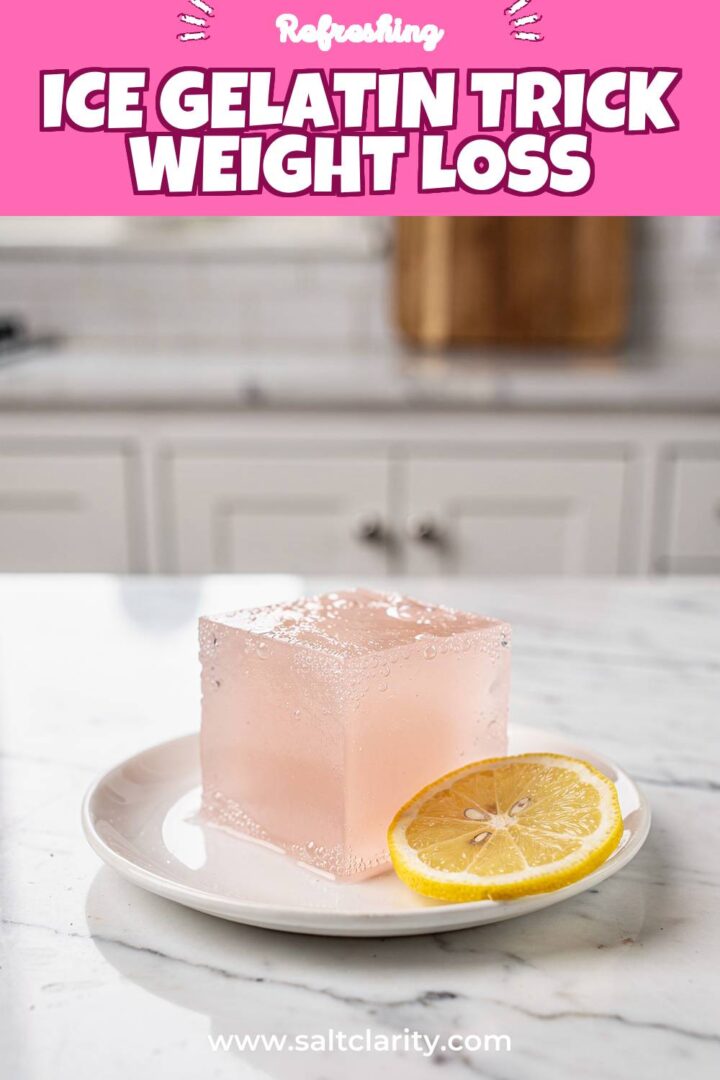
The ice gelatin trick for weight loss is not a miracle. It does not melt fat, activate your thermogenic furnace, or replace a solid eating pattern. What it does do is genuinely useful.
It is a low-cost, low-calorie, volume-based pre-meal tool that slows your eating pace and takes the edge off hunger before you sit down to a full plate. The frozen version earns its place because of consumption speed, not cold-burn science. The pink salt pinch earns its place because adherence requires palatability, and nobody sticks with something that tastes like dissolved rubber bands.
If you are exploring other food-based appetite management tools alongside this protocol, the guide to natural alternatives to mounjaro covers the full landscape of GLP-1 supporting strategies.
Make a batch tonight. Try it before dinner for two weeks with no other changes. Track your hunger levels before and after. Let the data tell you whether it works for your body, because that is the only verdict that matters.
Regular kitchen, regular time, great results. Let me know how it turned out in the comments!
FAQs about ice gelatin trick weight loss
The ice gelatin trick involves consuming a mixture of unflavored gelatin dissolved in cold or iced water, typically before meals, to help suppress appetite. The gelatin is believed to expand in the stomach, promoting a feeling of fullness and reducing overall calorie intake. It is a low-calorie strategy that some people use as part of a broader weight management plan.
The ice gelatin trick may support weight loss by promoting satiety due to gelatin's high protein content and its ability to slow digestion. Some studies suggest that protein-rich foods like gelatin can reduce hunger hormones and lower overall food intake. However, it is not a standalone solution and works best when combined with a balanced diet and regular exercise.
To make the ice gelatin drink, dissolve one tablespoon of unflavored gelatin powder in a small amount of warm water, then add cold water or ice to bring the mixture to your preferred temperature. Drink it approximately 15 to 20 minutes before a meal to maximize its appetite-suppressing effects. Avoid adding sugar or high-calorie flavoring agents to keep the drink as low-calorie as possible.
Gelatin is a high-protein, low-calorie food that can help reduce appetite and support lean muscle maintenance during weight loss. It contains glycine, an amino acid that may improve metabolism and support gut health, both of which are important for managing body weight. Additionally, gelatin has virtually no fat or carbohydrates, making it a diet-friendly supplement.
The ice gelatin trick is generally considered safe for most healthy adults when used in moderate amounts. Some individuals may experience digestive discomfort, bloating, or an unpleasant aftertaste, particularly if they are sensitive to collagen-derived products. People with allergies to animal-derived ingredients or specific dietary restrictions should consult a healthcare professional before trying this method.
Most recommendations suggest consuming one to two tablespoons of unflavored gelatin powder per day for weight loss purposes. It is advisable to spread the intake across one or two servings, ideally before main meals, to best leverage its appetite-suppressing properties. Always follow the dosage guidance on the product label and consult a healthcare provider if you have underlying health conditions.
💬 Let's Stay Connected!
For daily recipes, kitchen tips, and exclusive content, follow me on:
👉 Facebook for behind-the-scenes & community fun
👉 Pinterest for visual inspiration & meal ideas
👉 X (Twitter) for quick tips & trending recipes
📲 Join the flavor journey, your next favorite recipe is just a follow away!
Disclaimer: This content is provided for general informational and educational purposes only. It is not intended as medical, nutritional, or professional advice. Always consult a qualified healthcare professional or registered dietitian before making changes to your diet, health routine, or lifestyle. Individual needs and results may vary
Leave a Reply