

This nighttime rehydration tea with pink Himalayan salt was built to solve one specific problem: waking up with cramps, headaches, or that foggy dehydrated feeling despite drinking water before bed. Long before modern electrolyte drinks, many cultures valued a pre-sleep savory sip, and this recipe is a science-backed version of that wisdom, updated for your modern kettle.
Jump to:
- Nighttime Rehydration Tea With Pink Himalayan Salt
- Why Your Body Needs Electrolytes at Night
- Why Pink Himalayan Salt? Beyond the Hype
- The Master Recipe: Base Formula & Method
- Expert Customizations: Tailor Your Tea
- When and How to Drink for Best Results
- Important Considerations & Who Should Avoid It
- Answering Your Curiosities
- Conclusion
- FAQs about Nighttime Rehydration Tea With Pink Himalayan Salt
Picture this: You wake up in the morning feeling thirsty, with stiff calves or a nagging headache, even though you swore you drank enough water before bed. I've been there too, in my Queens kitchen, watching steam swirl from my mug as I wondered why hydration felt so elusive. Here's the scoop: hydration isn't just about water intake; it hinges on electrolytes, those tiny mineral powerhouses like sodium, potassium, and magnesium that help your cells hold onto water and keep your muscles functioning smoothly.
That's why I'm excited to share this nighttime rehydration tea with pink Himalayan salt recipe, a simple, warm, savory sip that blends culinary wisdom with science-backed nutrition. The thing about Pink Himalayan Salt is, it's not just about the pink color or Instagram aesthetics, it provides a gentle seasoning twist that supports your body's overnight recovery. Together with calming herbal tea, this drink helps prevent morning dehydration, soothes muscle cramps, and supports a deep, restorative sleep. It adapts the mineral foundation of a classic pink Himalayan salt electrolyte drink specifically for nighttime use, pairing sodium replenishment with calming herbal tea for sleep support.
We're going beyond just salty water or vague wellness advice, this guide will walk you through the science, a flexible recipe framework, and exactly how to make your own pink Himalayan salt drink recipe that fits your lifestyle.
Print
Nighttime Rehydration Tea With Pink Himalayan Salt
A savory, calming tea designed to support overnight hydration and promote restful sleep. This simple recipe combines herbal tea with a pinch of Pink Himalayan Salt to replenish electrolytes lost during the night. It helps prevent morning dehydration and muscle cramps.
- Total Time9min
- Yield1 serving 1x
- DietGluten Free, Vegan
Ingredients
- 8 oz hot water (160-180°F)
- 1 herbal tea bag (chamomile, lavender, or lemon balm)
- ⅛ tsp finely ground Pink Himalayan Salt
Instructions
- Heat 8 oz of water to between 160 and 180 degrees Fahrenheit. It should be steaming but not boiling.
- Place the herbal tea bag in a mug and pour the hot water over it.
- Steep the tea for 5 to 7 minutes to extract the full flavor and benefits.
- Remove and discard the tea bag.
- Immediately stir in ⅛ teaspoon of finely ground Pink Himalayan Salt until it is fully dissolved.
- Sip slowly 60 to 90 minutes before bedtime as part of a relaxing wind-down routine.
Notes
For deeper relaxation, add a pinch of dried lavender buds with the tea bag. For enhanced mineral support, add a tiny pinch of magnesium glycinate powder after brewing. Consult a healthcare provider before use if you have hypertension, kidney disease, or are on a sodium-restricted diet.
- Prep Time: 2min
- Cook Time: 7min
- Category: drink
- Method: steeping
- Cuisine: Wellness
Nutrition
- Serving Size: 1
- Calories: 0
- Sugar: 0
- Sodium: 300
- Fat: 0
- Saturated Fat: 0
- Unsaturated Fat: 0
- Trans Fat: 0
- Carbohydrates: 0
- Fiber: 0
- Protein: 0
- Cholesterol: 0
Why Your Body Needs Electrolytes at Night
Drinking water before bed is a habit many of us have, but it's worth pausing to consider the role electrolytes play in nighttime hydration. This section breaks down why that little pinch of pink Himalayan salt makes a difference.
The Science of Overnight Dehydration
Even when you're fast asleep, your body is busy at work, and you're quietly losing water and minerals. Between breathing and subtle sweating, about 0.3 to 0.5 liters of water can evaporate during an eight-hour sleep. Along with that water loss, electrolytes like sodium and magnesium slip away, mainly through respiration and your body's metabolic processes.
This overnight loss creates a kind of dehydration that water alone can't fix immediately upon waking. Electrolytes act like the gatekeepers, ensuring water stays inside your cells rather than being flushed out. Without enough sodium, your blood plasma volume dips, which can lead to stiffer muscles, fuzzy thinking, and that all-too-familiar morning headache. A thoughtfully salted nighttime tea can help maintain balance, so your body wakes up ready to go, instead of needing an extra cup of coffee to catch up.
How Sodium Prepares You for Sleep
Sodium's job isn't just about holding water, it also keeps your blood volume steady enough to carry oxygen and nutrients, like magnesium, throughout your body. Magnesium is especially important to calm nerves and relax muscles before sleep.
By sipping a small amount of sodium before bed, you're supporting your blood volume and cardiovascular system in a way that nudges your body into relaxation mode. It's a bit like setting up the backstage crew before a show; everything runs smoothly during your sleep because the tiny details were managed before the curtain rose. This is why pink Himalayan salt to a warm herbal tea isn't just old-fashioned; it's smart nighttime hydration that primes your muscles for repair and your mind for calm.
Why Pink Himalayan Salt? Beyond the Hype
Choosing the right salt for your nighttime rehydration tea matters, especially when you're keeping sodium intake mindful, but want the best quality mineral support.
Mineral Profile vs. Table Salt
Table salt is basically pure sodium chloride with anti-caking agents and sometimes added iodine. While that might sound straightforward, those anti-caking chemicals can impart a slightly metallic or harsh taste. Pink Himalayan Salt, on the other hand, is also mostly sodium chloride but harvested from ancient salt deposits deep in the Himalayas. It contains trace amounts of minerals like potassium, magnesium, and calcium, though these minerals represent less than 1% of its total content.
For a pink Himalayan salt water recipe intended for nighttime hydration, these minerals don't dramatically affect your electrolyte count, but they do create a softer, more complex flavor. Think of the difference as snowmelt water vs. distilled water, both hydrate, but one tastes like it holds stories from the earth.
This nuance makes pink Himalayan salt a preferred option in recipes with pink himalayan salt that want to offer a gentler seasoning touch and avoid additives. Plus, if you prefer a more savory sip that feels like a cozy broth, that subtle mineral complexity is a game-changer.
Choosing Your Salt: A Practical Guide
When picking your pink Himalayan salt for a nighttime rehydration tea with pink Himalayan salt, go for finely ground salt. Coarser crystals take longer to dissolve, and you want the salt to melt smoothly into your warm tea.
High-quality sea salt can also work if you're looking for alternatives, but keep in mind that every salt has its unique flavor profile based on the minerals present. Sea salt varieties from different regions can taste brinier or earthier. For true consistency and a balanced subtlety, I recommend sticking with a trusted pink Himalayan salt brand.
Avoid salts with additives or large crystals, especially if you're aiming for precise control over sodium intake. The right salt sets a foundation for your wellness drink, so think of it as your secret ingredient for flavor-first, sustainable hydration.
The Master Recipe: Base Formula & Method
This pink Himalayan salt water recipe is your starting point for a nighttime rehydration tea that fits effortlessly into your evening routine. It's a balanced blend of gentle heat, electrolytes, and herbal calm.
Essential Ingredients & Their Roles
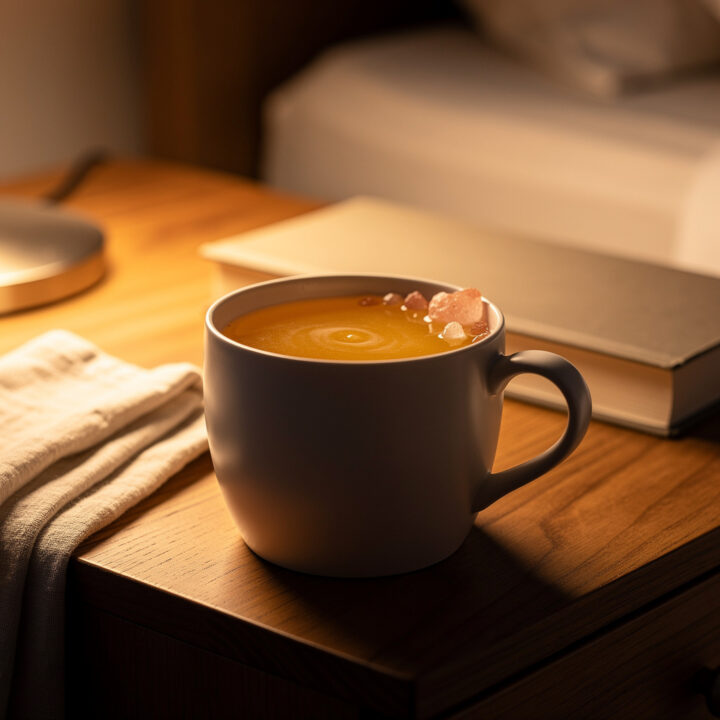
- Water (8 oz): Use hot water, but not boiling, ideally 160-180°F, to preserve the delicate flavors and benefits of herbal teas like chamomile or lavender. If the water's too hot, the tea releases bitter tannins, which can ruin the relaxing vibe.
- Pink Himalayan Salt (⅛ tsp): This is the micro-seasoning magic, one tiny pinch supplies about 300 mg of sodium, enough for replenishment without overdoing it. It's your gentle bump in the electrolyte department.
- Herbal Tea Bag (1): Choose a calming herb as your base. Chamomile and lavender are fantastic entry points for relaxation, while lemon balm or valerian can serve specific needs like anxiety relief or deeper sedation.
Step-by-Step Brewing Instructions
- Heat 8 oz of water to between 160 and 180 degrees Fahrenheit, steaming but not boiling.
- Steep your chosen herbal tea bag in the water for 5 to 7 minutes. This maximizes floral oils and extracts a comforting flavor without bitterness.
- Remove the tea bag and immediately stir in ⅛ teaspoon of finely ground Pink Himalayan salt until fully dissolved.
- Give it a taste. You should notice a savory, brothy sip with a hint of mineral depth, not seawater-sharp, but a delicate seasoning that wraps around the herbal calm.
This straightforward pink Himalayan salt water recipe offers a nightly ritual that feels more like a nourishing pause than a chore. Try to savor it slowly, like a little dinner for your nervous system.
Expert Customizations: Tailor Your Tea
Now that you have the base nighttime rehydration tea with pink Himalayan salt down, let's play with add-ins to customize for your personal goals, from winding down more deeply to supporting mineral balance beyond sodium.
For Deep Relaxation
Add a pinch of dried lavender buds directly with your herbal tea bag when steeping to boost aroma and calm. Lavender infuses gentle floral notes that invite quiet.
Another option is to stir in ¼ teaspoon of ashwagandha powder after brewing. Ashwagandha, an adaptogen, helps manage stress hormones for a more settled night. Just remember, powdered botanicals should be added post-steep to preserve their delicate properties.
These add-ins transform your pink Himalayan salt drink recipe into a true relaxation ritual, perfect for those nights when busy minds need more help.
For Enhanced Mineral Support
Sometimes, sodium isn't enough. If you want to broaden your rehydration cocktail, try a tiny pinch of food-grade magnesium glycinate powder. Magnesium glycinate absorbs well, aiding muscle relaxation and nervous system balance.
Alternatively, add a splash (1-2 tablespoons) of potassium-rich coconut water warmed gently to complement the pink Himalayan salt water recipe with natural electrolytes.
A word of caution: Keep add-ins measured and light here, the point is micro-seasoning your hydration while staying mindful not to overload your system before sleep.
When and How to Drink for Best Results
The timing and context of your nighttime rehydration tea with pink Himalayan salt are as important as the recipe itself. Let's talk about when and how to make this sip part of your evening.
The Ideal Timeline
Drink your tea 60 to 90 minutes before bed. This window is backed by science: it lets your kidneys process any mild diuretic effects from the herbal tea, so you avoid waking up for bathroom trips. Plus, it gives your body time to absorb the sodium and accompanying minerals, an invitation to a smooth, hydrated night.
Timing your sip thoughtfully also supports the calming action of herbs and minerals, aligning their peak effects right as you close your eyes.
Integrating into Your Sleep Hygiene
Make this tea part of a mindful wind-down routine. Maybe enjoy it while reading a favorite book, jotting in your journal, or doing gentle stretches, any activity that gently nudges your body away from the stimulation of screens and stress.
Lighting a low-wattage lamp, turning off bright overheads, and breathing deeply while sipping your salty, savory tea will signal to your body: "It's time for rest."
Important Considerations & Who Should Avoid It
Being transparent about safety is key because not every body processes sodium and minerals the same way.
Understanding Sodium Intake
Each ⅛ teaspoon of pink Himalayan salt adds roughly 300 mg of sodium to your night. That's a tiny amount, but if you're already mindful of sodium due to medical guidance, be sure to include this in your daily total.
If you follow a low-sodium diet for blood pressure, kidney health, or heart conditions, this small addition may impact you more than a general recommendation would suggest.
Clear Contraindications
People with hypertension, kidney disease, congestive heart failure, or those taking potassium-sparing diuretics should consult their healthcare provider before trying this nighttime rehydration tea with pink Himalayan salt.
This recipe is intended as a gentle, supportive ritual, not a replacement for medical advice or treatment plans. Safety comes first.
Answering Your Curiosities
Let's chat about some natural questions that come up when making this calming tea.
Wondering about the taste? This tea is savory and comforting, imagine a light broth with a mellow mineral note. If you find it too salty, simply dilute with more warm water until the sip suits your palate.
Can you use cold water? You can, but finely ground pink Himalayan salt dissolves slower, and the calming effects of the herbal tea may be diminished without warmth. Warm tea is part comfort, part function.
Is this a cure for insomnia or leg cramps? Not exactly. It's a supportive tool designed to optimize hydration, help prevent cramps from electrolyte imbalance, and promote relaxation, not a medical treatment.
Remember, the nighttime rehydration tea with pink Himalayan salt recipe is about adding a nourishing, flavor-first ritual to your evenings that supports deep, replenishing rest.
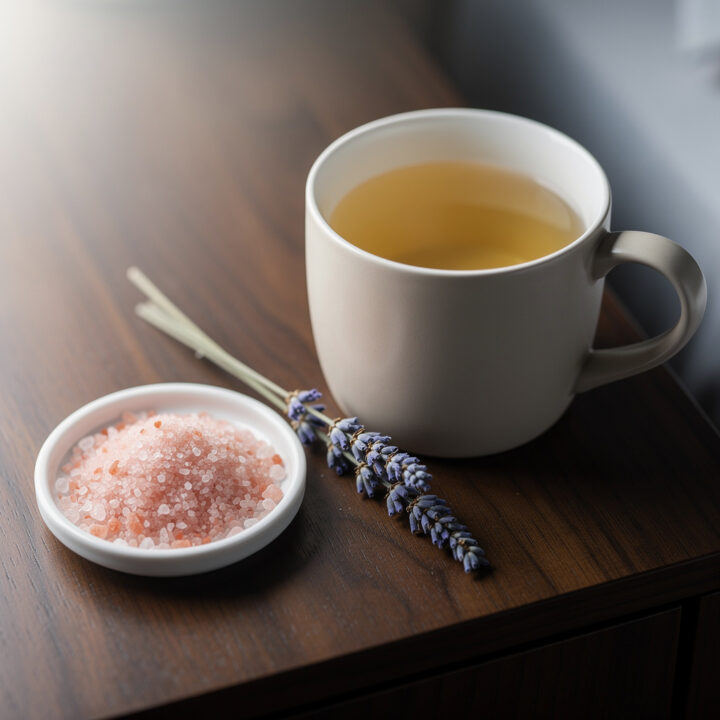
If you want to explore more electrolyte drinks that harmonize with your wellness rhythm, check out the Pink Himalayan Salt Electrolyte Drink.
To cover your hydration needs around physical activity, see how the Pink Himalayan Salt Pre-Workout Drink and the Pink Himalayan Salt Electrolyte For Endurance Runs complement your nighttime recovery tea beautifully.

Conclusion
Nighttime rehydration tea with pink Himalayan salt is more than just a salty bedtime sip. It's a thoughtful way to support your body through the quiet hours, helping replace the electrolytes lost overnight, calming muscles, and inviting restful sleep. Starting with the basic herbal tea, that tiny pinch of pink Himalayan salt, and a mindful pre-bedtime ritual, you're giving your body a simple, flavor-forward boost toward wellness.
Try this savory sip for a few nights, noticing how hydration feels different in the morning. Let me know how it turned out in the comments, and don't forget to tag @SaltClarity on Pinterest when you share your cozy tea moments!
And if you're curious about layering more mineral support or creating your own twists, peek at my other recipes using Himalayan pink salt through the links above. Here's to regular kitchens, regular times, and healthful nights filled with deeper restoration.
FAQs about Nighttime Rehydration Tea With Pink Himalayan Salt
Nighttime rehydration tea replenishes fluids lost during the day, supporting optimal bodily functions during sleep. The added electrolytes from pink Himalayan salt can help maintain fluid balance and prevent dehydration symptoms like muscle cramps. It may also promote relaxation if the tea contains calming herbs like chamomile.
A general guideline is to add about ⅛ to ¼ teaspoon of pink Himalayan salt per 8 ounces of tea. Start with a smaller amount and adjust to your taste and needs. Too much salt can be counterproductive and cause dehydration.
Herbal teas are generally the best choice for nighttime rehydration due to their lack of caffeine. Chamomile, peppermint, and ginger teas are good options that can also aid in relaxation and digestion. Avoid caffeinated teas like black or green tea before bed.
For most healthy individuals, drinking rehydration tea with a small amount of pink Himalayan salt every night is generally safe. However, individuals with kidney problems, high blood pressure, or heart conditions should consult their doctor before doing so. Always listen to your body and adjust your intake based on your individual needs.
While not a guaranteed sleep aid, rehydration tea with pink Himalayan salt *can* promote better sleep. The electrolytes in the salt help regulate bodily functions, and certain herbal teas like chamomile have calming properties. Staying hydrated is crucial for quality sleep, and this tea can help achieve that.
Potential side effects are usually minimal when consumed in moderation. Excessive salt intake can lead to water retention, increased blood pressure, or electrolyte imbalance. If you experience any adverse effects, discontinue use and consult with a healthcare professional.
💬 Lets Stay Connected!
For daily recipes, kitchen tips, and exclusive content, follow me on:
👉 Facebook for behind-the-scenes & community fun
👉 Pinterest for visual inspiration & meal ideas
👉 X (Twitter) for quick tips & trending recipes
📲 Join the flavor journey, your next favorite recipe is just a follow away!



Leave a Reply