
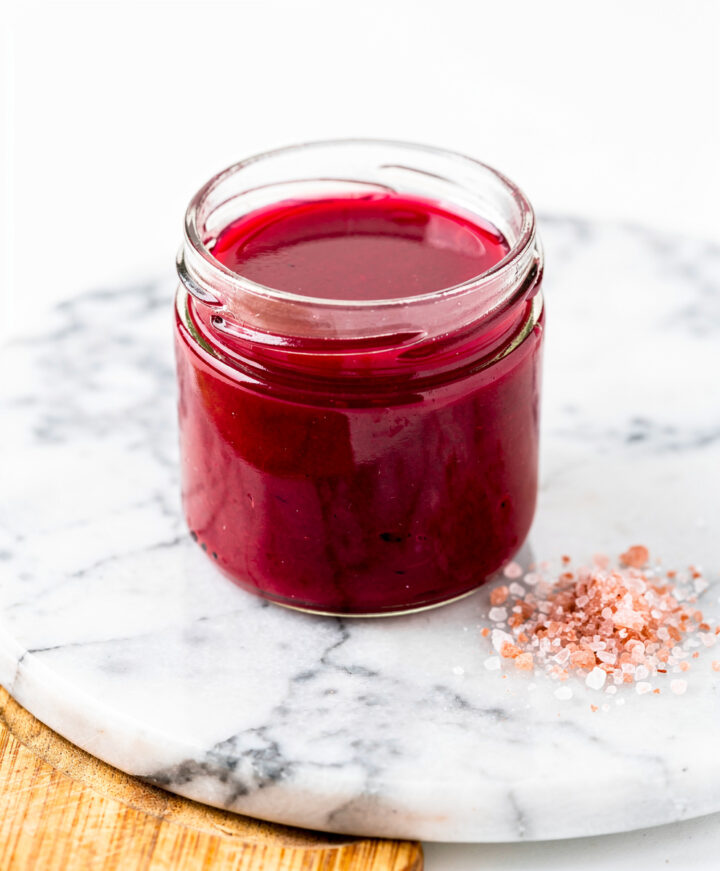
I first stumbled on the lipojaro jello recipe in a weight-loss forum and was instantly hooked by its simplicity. The thread had hundreds of replies. People were raving about it, sharing photos, and asking the same question over and over: "Wait, what even is lipojaro?"
Nobody answered it well. Not in the forum. Not in the articles I clicked after. Everyone used the name confidently and moved on, like we were all supposed to already know.
So I went into my kitchen, made a batch, and started digging. What I found was genuinely interesting. A community-created snack with real food science behind it, wrapped in a mysterious name nobody was explaining honestly.
By the end of this article, you will know exactly what lipojaro means, why this gelatin weight loss recipe went so viral, how to make it perfectly, and what to do when it goes sideways. Let's get into it. If you enjoy this approach, you might also like our Natural Mounjaro Recipe for additional weight loss support.
Jump to:
- lipojaro jello recipe
- What Is the Lipojaro Jello Recipe, Really?
- Nutrition Facts: What You Are Actually Eating
- Ingredients for the Lipojaro Jello Recipe
- How to Make the Lipojaro Jello Recipe, Step by Step
- Troubleshooting: Why Your Jello Did Not Turn Out Right
- Flavor Variations Worth Making
- Storage, Meal Prep, and Scaling
- The Science Behind Why This Snack Supports Weight Management
- Make the Lipojaro Jello Recipe Your Weekly Staple
- FAQs about lipojaro jello recipe
lipojaro jello recipe
This viral low-calorie gelatin snack is a community-created recipe that combines sugar-free jello with collagen peptides for a protein boost. It is perfect for appetite control and supports weight management with only 75 calories per serving.
- Total Time2h 15min
- Yield4 servings 1x
- DietGluten Free
Ingredients
- 1 packet (3g) sugar-free gelatin mix (any flavor)
- 1 cup (240ml) boiling water
- 1 cup (240ml) cold water
- ⅛ tsp pink Himalayan salt
- 2 scoops (18g) unflavored collagen peptides (optional)
- 1 tsp fresh lemon juice (optional)
Instructions
- Bring 1 cup of water to a full rolling boil.
- Pour boiling water into a medium bowl. Add the gelatin packet and whisk vigorously for 90 seconds until completely clear with no granules.
- If using collagen peptides, add them now and whisk for another 30 seconds.
- Add 1 cup cold water. Stir gently with a spoon (do not whisk) to avoid air bubbles.
- Add the pink Himalayan salt and lemon juice if using. Stir once gently.
- Pour into individual cups or a single container. Refrigerate uncovered for 30 minutes, then cover and chill for at least 2 hours (4 hours for firmest set).
Notes
For best results, do not use ice water as it causes cloudiness. If adding fresh fruit like pineapple or kiwi, blanch them in boiling water for 30 seconds first to deactivate enzymes that prevent jello from setting. Store covered in the fridge for up to 4 days. Do not freeze.
- Prep Time: 10min
- Cook Time: 5min
- Category: snack
- Method: no-cook
- Cuisine: American
Nutrition
- Serving Size: 4
- Calories: 75
- Sugar: 0
- Sodium: 60
- Fat: 0
- Saturated Fat: 0
- Unsaturated Fat: 0
- Trans Fat: 0
- Carbohydrates: 0
- Fiber: 0
- Protein: 16
- Cholesterol: 0
What Is the Lipojaro Jello Recipe, Really?
Where the Name "Lipojaro" Actually Comes From
Here is the honest answer nobody is giving you: "Lipojaro" is not a brand, a product, or an official diet plan. It is not something you can buy at the pharmacy or find on a supplement shelf.
The name is a community-coined mashup that emerged in GLP-1 medication forums, specifically among people using Mounjaro and Ozempic. Online, users blend medication names and diet terms into shorthand all the time. "Lipojaro" appears to fuse "lipo" (fat) with a phonetic nod to Mounjaro, creating a nickname for a homemade diet jello that circulated as the Mounjaro jello trick.
That is it. A grassroots name for a grassroots recipe.
Why Gelatin Became the Snack of Choice for GLP-1 Users
GLP-1 medications like Mounjaro and Ozempic are powerful appetite suppressants. On low-appetite days, many patients struggle to meet basic protein minimums. They have no desire to eat, but their bodies still need fuel and collagen support.
Enter this sugar-free gelatin snack. It requires zero chewing effort, sits gently on a suppressed stomach, and with two scoops of collagen peptides, delivers roughly 16 grams of protein for under 80 calories. Volume without burden. That is the entire reason this GLP-1 snack recipe went viral.
For anyone exploring the full landscape of food-based GLP-1 support strategies, the guide to natural alternatives to mounjaro covers how dietary approaches like this one fit alongside medication-adjacent conversations.
If you are exploring natural Mounjaro alternatives for appetite management, this gelatin snack fits beautifully into that conversation. For another similar option, check out the GLP-1 Gelatin Recipe.
Nutrition Facts: What You Are Actually Eating
Calorie and Macro Breakdown Per Serving
One standard batch makes four servings. Here is what each one looks like:
| Nutrient | Base Recipe | Collagen-Boosted |
|---|---|---|
| Calories | 10 | 75 |
| Protein | 0.5g | 16g |
| Fat | 0g | 0g |
| Carbohydrates | 0g | 0g |
| Sodium | 55mg | 60mg |
A single 3g packet of sugar-free Jell-O brand gelatin runs about 10 calories. Adding two scoops (18g) of unflavored collagen peptides adds roughly 65 to 70 calories and 16 grams of protein. The tiny pink Himalayan salt pinch adds zero calories and a small trace of electrolyte minerals.
This is genuinely one of the lowest-calorie, highest-value snacks in the homemade diet jello category.
Is the Protein in Gelatin "Complete"?
Short answer: no. Gelatin and collagen are incomplete proteins because they lack tryptophan, one of the essential amino acids your body cannot produce on its own.
This does not make the lipojaro jello recipe useless. Far from it. Gelatin protein supports collagen synthesis, gut lining health, and meaningful satiety. It just means this protein gelatin snack should supplement your day, not replace a full meal's protein.
Pair it with a complete-protein source, eggs, Greek yogurt, chicken, at another point in the day and you are set. No drama, just balance.
Ingredients for the Lipojaro Jello Recipe
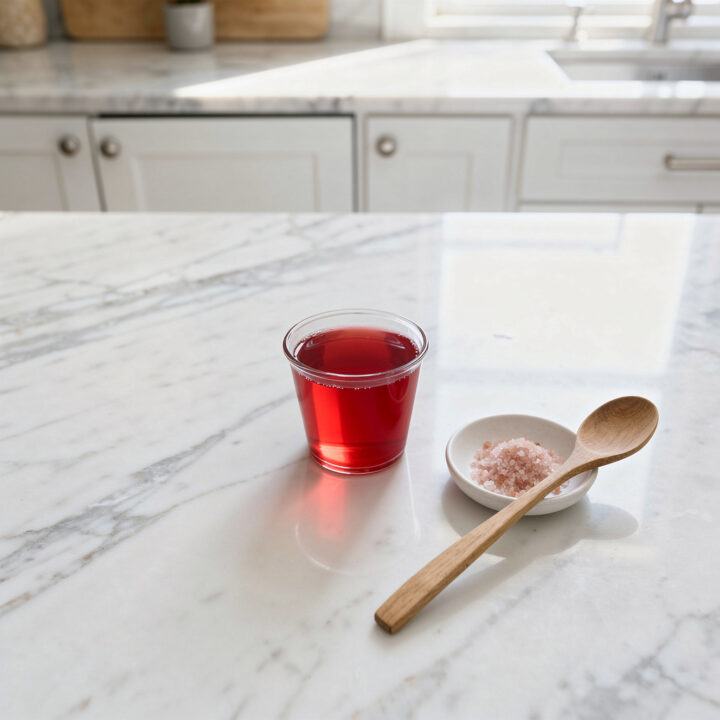
The Core Ingredients (and Why Each One Is Here)
Every ingredient in this low calorie jello for weight loss has a job.
- 1 packet (3g) sugar-free gelatin mix (Jell-O, Great Value, any store brand works)
- 1 cup (240ml) boiling water, minimum 90 degrees C / 194 degrees F
- 1 cup (240ml) cold water, not ice water
- ⅛ teaspoon pink Himalayan salt
- Optional: 2 scoops (18g) unflavored collagen peptides
- Optional: 1 teaspoon fresh lemon juice
The boiling water matters. Gelatin proteins require near-boiling temperatures to fully dissolve. Skip that threshold and you get grainy, rubbery results. The cold water must be cold but not icy. Ice water creates thermal shock that causes cloudiness. Lemon juice adds brightness without interfering with the set. Citric acid is gelatin-safe.
Optional Add-Ins That Actually Work
A few additions genuinely improve this collagen jello recipe without wrecking the texture.
Matcha powder (½ tsp): dissolve it in the boiling water step for an earthy, antioxidant-rich variation with zero impact on how the jello sets.
Sparkling water substitution: replace the cold water with chilled sparkling water. Add it after the gelatin fully dissolves, never during the boiling step. Carbonation off-gasses in heat. The result is a slightly lighter, more aerated texture.
Sugar-free whipped cream: add post-set as a topping only. Never mix it in. It collapses the structure.
How to Make the Lipojaro Jello Recipe, Step by Step
The 6-Step Method
Bring 1 cup (240ml) of water to a full rolling boil. Confirm it is truly boiling, not just steaming.
Pour boiling water into a medium bowl. Add the gelatin packet and whisk vigorously for 90 seconds until the mixture is completely clear with no visible granules.
If using collagen peptides, add them now and whisk for another 30 seconds. The liquid will stay liquid. That is correct.
Add 1 cup (240ml) cold water. Switch from whisk to spoon here. Stir gently. A whisk introduces air bubbles that cause cloudiness. Cosmetic, yes, but avoidable.
Add the ⅛ teaspoon pink Himalayan salt and lemon juice if using. One gentle stir.
Pour into individual cups or a single container. Refrigerate uncovered for 30 minutes, then cover and chill for at least 2 hours. For the cleanest, firmest set, go 4 hours.
Serving Suggestions and Timing
Serve this sugar-free gelatin snack cold, straight from the fridge. The texture degrades quickly at room temperature.
Timing tip: eat it 20 to 30 minutes before a meal. The stomach volume it occupies, combined with its protein content, creates a mild satiety pre-load that takes the edge off overeating at the table. As an evening snack, it replaces high-calorie dessert cravings for under 30 calories base. Try smarter, not stricter.
Troubleshooting: Why Your Jello Did Not Turn Out Right
Texture Problems and How to Fix Them
This section is what most lipojaro jello recipe articles completely skip. Do not skip this.
Too rubbery or tough: You used too much gelatin or too little water. You cannot fix a set batch. Next time, add an extra ¼ cup cold water.
Too soft or will not set: Your water was not hot enough, or you added collagen before the gelatin fully dissolved. Fix this batch by remelting it gently on the stovetop over low heat, re-dissolving fully, and re-chilling.
Cloudy or opaque: You used ice water or whisked during the cold-water step. Purely cosmetic. Tastes and functions identically.
Weeping or liquid pooling (syneresis): Temperature fluctuation during chilling. Moving the jello from fridge to counter and back disrupts the protein matrix as it sets. Leave it alone.
The Fruit Enzyme Problem and the Fix Competitors Skip
Pineapple, kiwi, papaya, mango, and figs contain proteolytic enzymes, specifically bromelain, actinidin, and papain. These enzymes break down the gelatin proteins that create your set. Add fresh versions of these fruits and your jello stays liquid.
The fix is simple and almost nobody mentions it. Blanch the fresh fruit in boiling water for 30 seconds, or use canned versions of the same fruit. Heat processing permanently deactivates the enzymes. You can absolutely add pineapple to your lipojaro gelatin recipe. You just have to blanch it first.
Flavor Variations Worth Making
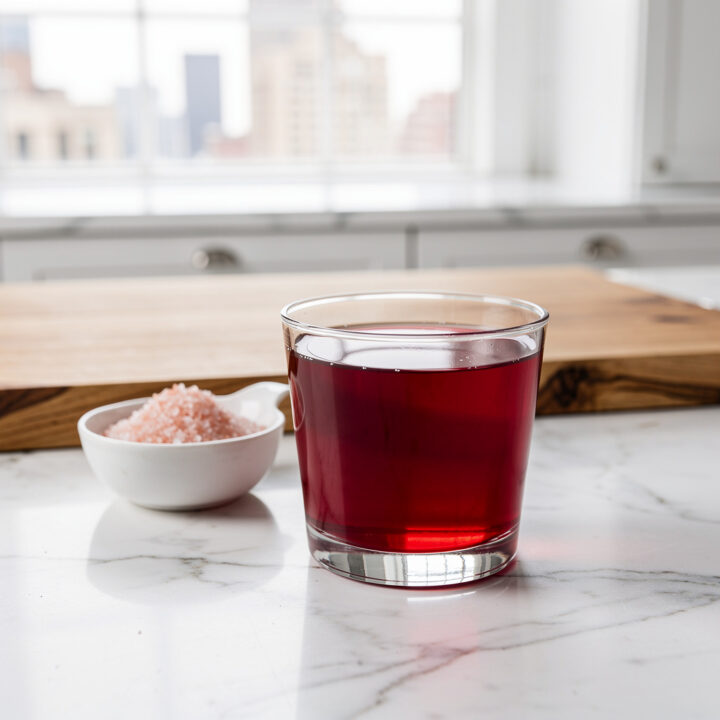
Four Flavor Variations
Citrus Boost: Lemon or lime sugar-free gelatin plus 1 teaspoon fresh citrus zest stirred in after dissolving. Bright, clean, almost fancy.
Berry-Collagen: Berry gelatin plus 2 scoops collagen peptides plus ½ teaspoon vanilla extract. This one tastes like dessert and still lands under 80 calories.
Matcha Green Tea: Unflavored gelatin plus 1 teaspoon matcha dissolved in boiling water plus 1 teaspoon monk fruit sweetener. Earthy, slightly grassy, genuinely satisfying.
Sparkling Texture: Any flavor, replace cold water with chilled sparkling water added post-dissolve. Lighter mouthfeel, works beautifully with citrus.
Dietary Adaptations
Vegan or plant-based: Replace gelatin with agar-agar, using 1 teaspoon per cup of liquid. The texture sets firmer and less jiggly. Still works as a low calorie gelatin dessert.
Keto-strict: Read your gelatin brand label carefully. Some brands use maltodextrin as a filler, which counts as net carbs. Look for sucralose or stevia as the sweetener.
High-protein version: Double the collagen peptides to 4 scoops (36g) per full batch. That adds roughly 130 calories and 32 grams of protein across four servings.
Storage, Meal Prep, and Scaling
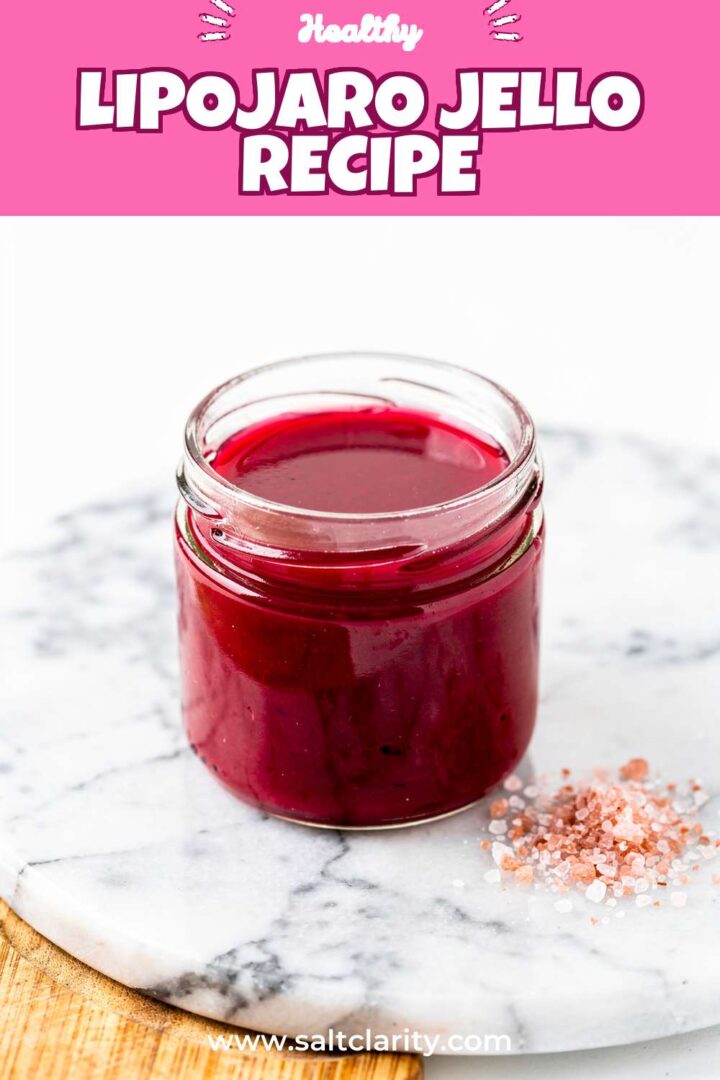
How Long It Lasts and How to Store It
Covered in the refrigerator, this homemade diet jello stays good for up to 4 days. After day 3, you may notice minor syneresis, a small puddle of liquid on the surface. Just drain it and eat. Totally normal.
Freezing is a hard no. Ice crystals physically rupture the gelatin protein matrix. When it thaws, you get a grainy, weepy mess with no resemblance to the original texture. Make it fresh.
Store individual portions in glass jars or airtight meal-prep containers. Grab-and-go all week.
Scaling for Batch Prep
| Batch Size | Servings | Gelatin | Collagen |
|---|---|---|---|
| Single serving | 1 | Half packet | 1 scoop |
| Standard batch | 4 | 1 full packet | 2 scoops |
| Large batch | 16 | 4 packets | 8 scoops |
For the large batch, use a 9x13 baking dish and chill for a minimum of 6 hours. Sugar-free jello meal prep does not get more practical than this.
The Science Behind Why This Snack Supports Weight Management
How Gelatin Affects Hunger: What the Research Actually Shows
The satiety benefit in this gelatin weight loss recipe is real, but it works through a specific mechanism that most articles never explain.
Glycine is the dominant amino acid in gelatin. Research in nutritional science suggests glycine slows gastric emptying, meaning food moves from your stomach into your intestines more slowly. That delay extends the feeling of fullness well past the moment you finish eating.
There is also a volume effect. A 240ml serving of set gelatin occupies meaningful gastric space, similar to drinking a glass of water, but with protein alongside it. That is a dual satiety mechanism: slower emptying plus physical volume.
Studies on pre-meal gelatin consumption suggest that roughly 10 to 14 grams of gelatin protein may reduce caloric intake at the subsequent meal. Two scoops of collagen peptides deliver approximately 16 grams. This lipojaro jello recipe, with collagen added, clears that research threshold. For another simple option, try the 3-Ingredient Gelatin Recipe Weight Loss.
Honest Expectations: What This Recipe Will and Will Not Do
This snack replaces a 200-calorie evening treat with something under 80 calories, takes the edge off hunger before a meal, supports collagen synthesis, and provides mild, real satiety.
What it will not do: replicate the appetite suppression of GLP-1 medications, function as a medical intervention, or produce meaningful weight loss on its own. A smart, low-calorie tool in a larger strategy, nothing more, nothing less.
For the broader science behind how pink Himalayan salt supports weight management as part of that larger strategy, the himalayan pink salt weight loss guide covers the complete mineral picture.
For a full breakdown of how pink salt and mineral-rich wellness recipes interact with the body at different intake levels, the guide on pink himalayan salt cleanse side effects covers the relevant thresholds.
Tiny pink-salt pinches, big flavor. Regular kitchen, regular time, great results.
Make the Lipojaro Jello Recipe Your Weekly Staple
The lipojaro jello recipe earned its viral moment for good reason. It is genuinely low-calorie, surprisingly satisfying, endlessly adaptable, and costs almost nothing to make. Now you also know the real story behind the name, the actual science behind gelatin satiety, and exactly how to fix it when something goes wrong.
This is what makes the difference between a recipe you make once and one you come back to every single week. You understand it now. That knowledge sticks.
For the complete science behind how gelatin supports natural appetite regulation and weight loss beyond this recipe, the gelatin for weight loss complete guide is the essential read.
Make a batch this week. Try the berry-collagen version if you want to feel like you are actually having dessert. Add that tiny pinch of pink Himalayan salt. You will taste exactly why it matters. For more inspiration, explore the Pink Salt Gelatin Trick Weight Loss for another satisfying twist.
Let me know how it turned out in the comments!
FAQs about lipojaro jello recipe
A lipojaro jello recipe is a low-calorie, sugar-free gelatin snack that originated in GLP-1 medication communities among people using Mounjaro and Ozempic. The name is a community-coined mashup of "lipo" and a phonetic nod to Mounjaro, not a brand or official diet product. The recipe typically combines a sugar-free gelatin packet, optional collagen peptides for protein, and a pinch of pink Himalayan salt, and is eaten as a pre-meal satiety tool or low-calorie dessert replacement.
The core ingredients are one 3g packet of sugar-free gelatin mix, one cup of boiling water, one cup of cold water, and one eighth teaspoon of pink Himalayan salt. Optional additions that improve the recipe significantly include two scoops of unflavored collagen peptides for a protein boost to approximately 16 grams per batch, one teaspoon of fresh lemon juice for brightness, and matcha powder or sparkling water for flavor and texture variation. Keep the ingredient list clean, the simplicity is the point.
The base recipe requires a minimum of two hours in the refrigerator to set properly, with four hours producing the cleanest and firmest texture. Refrigerate uncovered for the first 30 minutes, then cover and continue chilling. There are no layers in this recipe, the entire batch sets as a single unit, unlike decorative layered jello desserts. For meal prep convenience, make a full batch the night before and portion into individual containers for the week.
The standard recipe already uses sugar-free gelatin - that is the intended format. Most sugar-free gelatin brands use sucralose or aspartame as sweeteners. For a strictly keto version, check the brand label for maltodextrin, which some manufacturers use as a filler and which counts toward net carbs. Sucralose-sweetened brands are the cleanest option. The entire point of this recipe is to stay under 30 calories base, so sugar-free gelatin is not a substitution, it is the default.
Store covered in the refrigerator for up to four days. After day three you may notice minor syneresis, a small amount of liquid pooling on the surface. This is normal protein matrix behavior, not spoilage. Simply drain it and eat. Do not freeze this recipe under any circumstances. Ice crystals rupture the gelatin protein matrix and the texture becomes grainy and watery on thaw with no way to recover it. Individual glass jars or airtight meal-prep containers work best for portion control and grab-and-go convenience.
The three most common failures are: using water that is not hot enough to fully dissolve the gelatin proteins, which produces a grainy or cloudy result; adding fresh pineapple, kiwi, papaya, mango, or figs without blanching them first, since their proteolytic enzymes prevent the gelatin from setting entirely; and substituting collagen peptides for gelatin powder, which will not gel under any circumstances. A fourth mistake worth naming: whisking during the cold-water step instead of stirring gently, which introduces air bubbles and causes cloudiness. Purely cosmetic but avoidable.
💬 Let's Stay Connected!
For daily recipes, kitchen tips, and exclusive content, follow me on:
👉 Facebook for behind-the-scenes & community fun
👉 Pinterest for visual inspiration & meal ideas
👉 X (Twitter) for quick tips & trending recipes
📲 Join the flavor journey, your next favorite recipe is just a follow away!
Disclaimer: This content is provided for general informational and educational purposes only. It is not intended as medical, nutritional, or professional advice. Always consult a qualified healthcare professional or registered dietitian before making changes to your diet, health routine, or lifestyle. Individual needs and results may vary
angelina says
hiiii
Molina says
So glad you enjoyed it! If you have a sec, it'd mean a lot if you tapped the stars on the recipe card to rate it, it really helps other people find it. Thanks for making it!