
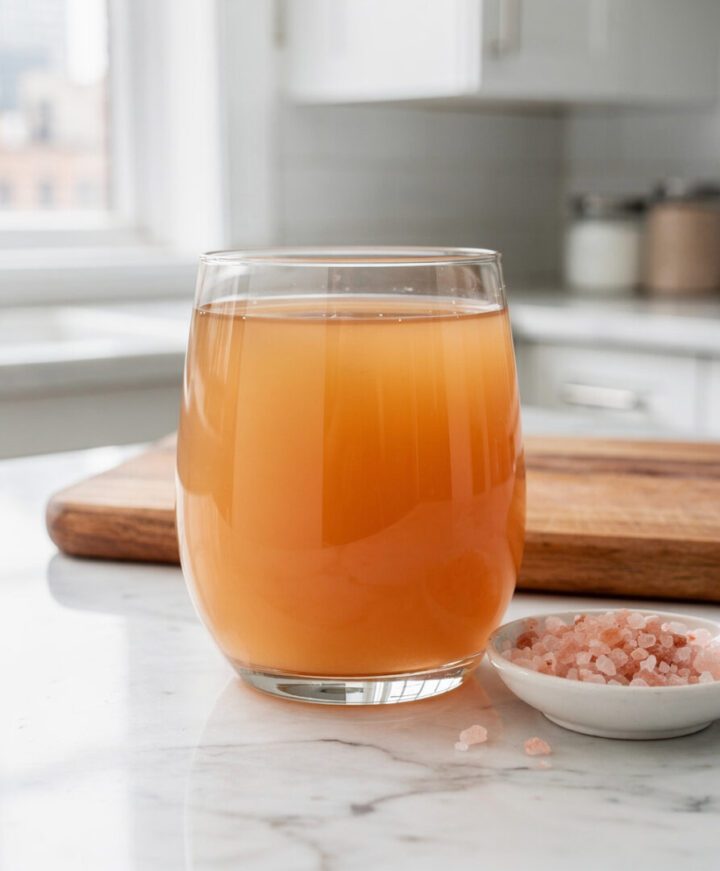
The comfort of does gelatin boost GLP-1 naturally feels especially welcome during these chilly months, especially when you realize your body already has the tools to work smarter with appetite and blood sugar. GLP-1 is the hormone behind billion-dollar drugs like semaglutide, but your gut makes it naturally every time you eat the right foods. Most guides point to fiber, whey protein, and olive oil. Gelatin never makes the list.
Yet a clinical trial using just 20 grams of hydrolyzed gelatin produced a measurable spike in GLP-1 and a simultaneous drop in the hunger hormone ghrelin. I stumbled across this research one winter afternoon in my Queens kitchen, stirring a pot of bone broth, and thought: why is nobody talking about this? For a practical way to start, you can explore this GLP-1 gelatin recipe to see the science in action.
Yes, gelatin does appear to boost GLP-1 naturally, and the mechanism is more specific than "it's just protein." Let me show you exactly why.
Jump to:
- What GLP-1 Actually Does and Why It Matters Beyond Ozempic
- The Clinical Evidence: What a Gelatin Meal Actually Does to Your Hormones
- The Mechanism: How Glycine in Gelatin Triggers GLP-1 Release
- Gelatin, Gut Health, and the GLP-1 Connection Competitors Miss
- Gelatin vs. Whey vs. Plant Protein: Which Boosts GLP-1 More?
- The Practical Protocol: How to Use Gelatin for GLP-1 Support
- The Pink Salt Difference: Why It Belongs in Every Gelatin Protocol
- Who Benefits Most and What Gelatin Cannot Do
- Practical Considerations and Safety: What Most Articles Skip
- Conclusion: Does Gelatin Boost GLP-1 Naturally? Yes, and Here Is What to Do About It
- Does Gelatin Boost GLP-1 Naturally
- FAQs about does gelatin boost GLP-1 naturally
What GLP-1 Actually Does and Why It Matters Beyond Ozempic
Before we talk about gelatin and GLP-1, you need to understand what this hormone actually does in your body. Not the pharmaceutical version. Your version.
GLP-1 as Your Body's Built-In Appetite Regulator
GLP-1, or glucagon-like peptide-1, is an incretin hormone secreted by intestinal L-cells, specialized cells lining your small intestine and colon. When food arrives, these cells release GLP-1 into your bloodstream, which triggers two powerful responses: it signals your pancreas to release insulin, and it signals your hypothalamus to reduce appetite.
Here is the catch. GLP-1 has a half-life of roughly two minutes. Your body clears it almost as fast as it makes it. That means natural GLP-1 secretion needs repeated, well-chosen dietary inputs throughout the day to create a cumulative metabolic benefit.
Natural GLP-1 vs. Pharmaceutical GLP-1: What Is Realistic
Drugs like semaglutide work by mimicking GLP-1 in a form that resists breakdown, creating continuous receptor activation for days. Dietary GLP-1 secretion does not work that way. It produces short, meal-triggered pulses.
The realistic goal is not to replicate drug effects. It is to give your L-cells better raw material so each pulse is stronger and more frequent. That is where protein type, not just protein quantity, becomes important. And gelatin's amino acid profile is genuinely different from every other protein you probably eat.
The Clinical Evidence: What a Gelatin Meal Actually Does to Your Hormones
This is the section most health articles skip entirely. There is actual human trial data on gelatin and GLP-1 secretion, and it is more compelling than the vague "protein helps" messaging you usually see.
The 20-Gram Study: What It Found
In a postprandial hormone response study, participants consumed a meal containing 20 grams of hydrolyzed gelatin. Researchers measured blood GLP-1 and ghrelin levels across a 180-minute sampling window. The findings were clear: GLP-1 rose measurably after the gelatin meal, and ghrelin, the hunger hormone, dropped simultaneously.
Critically, this response appeared in both lean and obese subjects. The dose matters here: 20 grams of hydrolyzed gelatin. Not a cup of Jell-O. Not collagen cream. Not a single gummy bear. Twenty grams of actual hydrolyzed gelatin, consumed before a meal.
Why Obese Subjects Showed a Blunted Response
The GLP-1 response was present in obese participants, but it was attenuated. This is not surprising. Obesity is associated with baseline GLP-1 hyposecretion, meaning the L-cells are already underperforming. The good news is that gelatin still produced a measurable effect despite this blunting.
Consistent daily use matters here. If your L-cells are understimulated chronically, one dose of gelatin is not going to fully turn things around overnight. But regular glycine delivery, combined with the gut lining support covered below, may help recalibrate that response over time. For anyone exploring natural alternatives to GLP-1 medications, this cumulative effect is exactly the kind of foundation worth building.
The Mechanism: How Glycine in Gelatin Triggers GLP-1 Release
Here is what no competitor ever explains. The reason gelatin affects GLP-1 secretion differently than whey or pea protein comes down to a specific amino acid acting on a specific receptor. This is the science that actually matters.
Gelatin's Unique Amino Acid Profile: The Glycine Advantage
Gelatin is approximately 25 to 35 percent glycine and 10 to 15 percent proline. Compare that to whey protein, which is loaded with leucine and branched-chain amino acids but contains less than 2 percent glycine. These are completely different protein structures.
Glycine is a potent activator of the calcium-sensing receptor, abbreviated CaSR, on intestinal L-cells. The CaSR is a primary trigger for GLP-1 secretion. When glycine binds to it, the L-cell releases GLP-1. This is the glycine and GLP-1 connection that every other article completely ignores.
Proline and hydroxyproline, also abundant in gelatin, activate G-protein coupled receptors in the gut epithelium, adding a secondary stimulation pathway. Gelatin is not just protein. It is a targeted amino acid delivery system for gut hormone production.
Gastric Emptying: How Gelatin's Physical Structure Helps
Gelatin forms a soft gel matrix in the stomach at body temperature. This physically slows gastric emptying, which prolongs the window during which nutrients contact L-cells in the small intestine. A longer contact window means a more extended GLP-1 release period.
This effect is form-dependent. Gelatin powder dissolved in warm liquid gels mildly in the stomach. Solid set gelatin, like firm gummies or molded gelatin, may slow gastric emptying more significantly because the body has to work harder to break down the matrix. Form choice is not trivial when you are thinking about GLP-1 and gut health connection as a daily practice.
Gelatin, Gut Health, and the GLP-1 Connection Competitors Miss
This is the section I find most exciting, because it explains why gelatin works beyond just one meal. It supports the infrastructure that produces GLP-1 in the first place.
How Gelatin Supports the Gut Lining Where L-Cells Live
L-cells are most densely concentrated in the distal small intestine and colon. These are also the regions most vulnerable to intestinal permeability, commonly called leaky gut. When the gut lining is compromised, L-cell function suffers.
Glycine and proline are structural amino acids that your body uses to build and repair the collagen matrix within the gut epithelium. Regular gelatin intake supports tight junction integrity, the physical seals between intestinal cells that prevent permeability. A more intact gut lining means more functional L-cells, which means better baseline GLP-1 secretion capacity over time.
Gelatin as Prebiotic Support for SCFA-Producing Bacteria
Partially hydrolyzed gelatin peptides are not fully digested in the small intestine. They reach the colon, where they feed beneficial bacteria including Bifidobacteria and Lactobacillus strains.
These bacteria produce short-chain fatty acids, particularly butyrate and propionate. Those SCFAs bind to FFAR2 and FFAR3 receptors on L-cells. This is a well-documented, independent trigger for GLP-1 secretion.
So gelatin creates two separate pathways. The glycine and CaSR pathway fires directly after you consume it. The microbiome pathway builds gradually with consistent use. That is why daily intake matters more than occasional high doses.
Gelatin vs. Whey vs. Plant Protein: Which Boosts GLP-1 More?
People ask this question constantly. The honest answer is that the comparison is not really about which protein wins. It is about understanding what each one does differently.
Side-by-Side Comparison
| Protein Source | Primary GLP-1 Mechanism | Glycine Content | Gut Lining Support | Gastric Emptying Effect |
|---|---|---|---|---|
| Gelatin/Hydrolyzed Collagen | CaSR activation via glycine, GPCR stimulation | Very High (25-35%) | Yes, tight junction support | Slows, gel-forming |
| Whey Protein | Leucine-driven insulin and GLP-1 co-secretion | Low, under 2% | Minimal | Moderate |
| Casein | Slow digestion, sustained amino acid release | Low | Minimal | Slows significantly |
| Plant Protein (Pea/Hemp) | Fiber and protein combination effect | Low to Moderate | Indirect, fiber-mediated | Variable |
The Verdict: Gelatin Is Complementary, Not Superior
Whey protein likely produces a faster, more acute GLP-1 spike. Gelatin likely produces a more sustained, gut-mediated effect. They are not competing. They are different tools.
The smartest practical takeaway: combine gelatin before a meal, in bone broth or collagen coffee, with a leucine-rich protein source at the meal itself. The two mechanisms stack. You get the pre-meal glycine and CaSR activation from gelatin, then the leucine-driven secretion from your main protein. Collagen peptides and appetite suppression working together with your regular diet is not complicated. It is just strategic. For more on this, check out this gelatin Mounjaro recipe that combines these principles.
The Practical Protocol: How to Use Gelatin for GLP-1 Support
Knowing the science is only useful if you can actually apply it in a regular kitchen on a regular schedule. Here is what the evidence supports.
Dosage, Timing, and Form: What the Evidence Supports
The clinical study used 20 grams of hydrolyzed gelatin. That is a reasonable daily target. Starting at 10 grams and building up is smarter for digestive tolerance.
Timing matters. Take it 20 to 30 minutes before a meal. This gives L-cells time to respond to glycine before the main course arrives, creating a primed hormonal environment.
Form comparison at a glance:
- Hydrolyzed gelatin powder or collagen peptides: Fastest absorption, most studied, dissolves cleanly in warm liquid.
- Bone broth, long-simmered: Natural gelatin source, roughly 3 to 10 grams of gelatin per cup, also delivers minerals.
- Set gelatin gummies: Slower gastric emptying benefit, controllable dose, practical snack.
- Collagen creams or beauty products: Zero GLP-1 relevance. Topical application has no systemic incretin effect whatsoever.
Three Simple Ways to Add It to Your Daily Routine
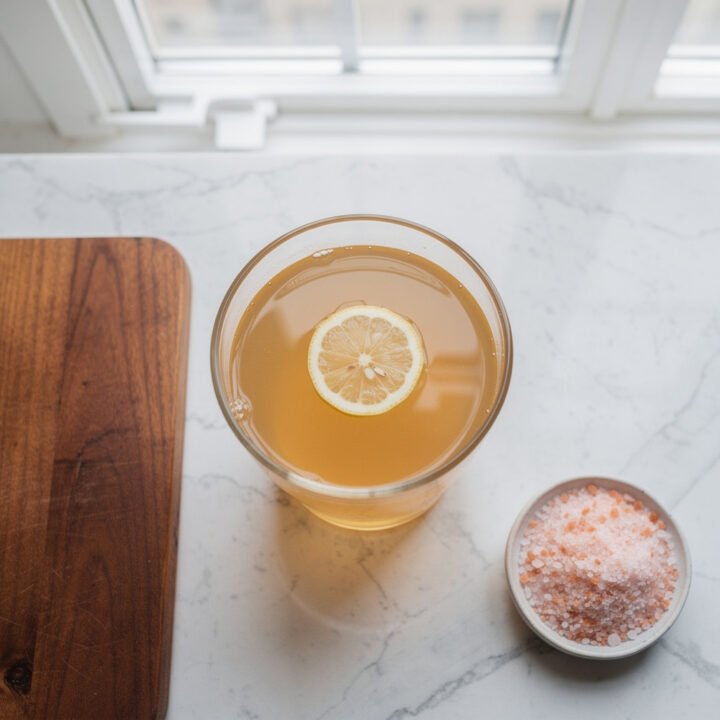
Option 1: Pre-Meal Bone Broth. One cup of quality bone broth 20 minutes before lunch or dinner. Add a small pinch of pink Himalayan salt. Gelatin is nearly flavorless, so sodium context determines whether people actually drink it consistently. That tiny pink-salt pinch also delivers trace minerals including magnesium and potassium, which support glucose metabolism alongside GLP-1's insulin-sensitizing action.
Option 2: Morning Collagen Coffee. Dissolve 10 to 15 grams of collagen peptides in black coffee or tea. Minimal calories, fits intermittent fasting protocols, and delivers glycine and GLP-1 support before your first full meal.
Option 3: Pre-Dinner Gelatin Gummies. Set 20 grams of gelatin powder in 200ml of water or lightly diluted fruit juice. Eat one or two gummies about 30 minutes before dinner. Controlled dose, portable, and easy to stay consistent with.
The Pink Salt Difference: Why It Belongs in Every Gelatin Protocol
This is the Salt Clarity angle that matters here, and it is not just about flavor.
Gelatin is functionally tasteless. That is both a strength and a practical problem. If a food does not taste like anything, people stop using it. A tiny pinch of pink Himalayan salt in bone broth or collagen liquid completely changes the palatability equation. It gives the liquid a clean, savory depth that makes you actually want to drink it.
But there is more to it than taste. Pink Himalayan salt contains trace amounts of magnesium, potassium, and calcium. Magnesium supports insulin receptor sensitivity. Potassium helps regulate cellular glucose uptake. Calcium, interestingly, is itself a stimulator of the CaSR receptor on L-cells, the same receptor glycine activates for GLP-1 secretion.
So when you add a small pinch of pink salt to your pre-meal gelatin drink, you are not just making it taste better. You are adding a secondary mineral signal that may reinforce the same hormonal pathway you are targeting. Tiny pink-salt pinches, big flavor, and quietly better metabolic support. That is the Salt Clarity way.
Who Benefits Most and What Gelatin Cannot Do
Populations Most Likely to See a Meaningful Response
People with naturally lower GLP-1 baseline levels, which is common in obesity, Type 2 diabetes, and metabolic syndrome, stand to benefit most from consistent gelatin use. The clinical data showed a response even in obese subjects, even if attenuated.
Individuals on calorie-restricted diets who need satiety support without extra caloric load are also strong candidates. At roughly 35 to 40 calories per 10 grams, gelatin is one of the lowest-calorie protein tools available. It is genuinely useful for managing hunger between meals. For a focused approach, you might also try this natural Mounjaro recipe for additional support.
A note for those with phenylketonuria or specific amino acid metabolism conditions: consult your physician before significantly increasing glycine intake.
What Gelatin Cannot Replicate
Gelatin contains no tryptophan. It is an incomplete protein and cannot replace your whole food protein sources. It is a supplement to a solid diet, not a substitute for one.
The GLP-1 effect is pulsatile and meal-linked. It does not replicate the continuous receptor activation that pharmaceutical GLP-1 agonists produce. And while the short-term postprandial hormone response data is solid, long-term randomized controlled trial data on chronic gelatin use and GLP-1 adaptation is still limited.
Work with what the evidence says, build the habit consistently, and let the cumulative gut health benefits do the long-game work.
Practical Considerations and Safety: What Most Articles Skip

Quality, Sourcing, and What to Look For on a Label
Look for the words "hydrolyzed collagen peptides" or "hydrolyzed gelatin" on the label. These are the forms with documented bioavailability and the ones used in the research.
Avoid heavily flavored commercial gelatin desserts. Products like boxed flavored gelatin contain primarily sugar with trace gelatin at doses far below what the clinical study used. They are not a meaningful source for GLP-1 support.
Source quality matters. Grass-fed bovine or wild-caught marine collagen sources typically yield cleaner amino acid profiles with lower heavy metal contamination risk. Third-party tested products, especially those certified by NSF or Informed Sport, are the safest choice.
Potential Side Effects and Real Limitations
Starting high creates problems for some people. Doses above 30 grams per day can cause digestive discomfort, including bloating or loose stools, in sensitive individuals. Start at 10 grams, use it consistently for one to two weeks, then increase gradually if you tolerate it well.
Gelatin is animal-derived. It is not suitable for vegans or vegetarians. There is no plant-based equivalent that delivers the same glycine concentration or CaSR-activating effect in a comparable dose. This is simply a biological reality of the source material.
Conclusion: Does Gelatin Boost GLP-1 Naturally? Yes, and Here Is What to Do About It
The evidence is real. A 20-gram dose of hydrolyzed gelatin raises GLP-1 and suppresses ghrelin. The mechanism is specific: glycine activates CaSR receptors on intestinal L-cells, proline adds secondary gut signaling, and the gel-forming structure slows gastric emptying to extend the release window. Layer in the gut lining support and the prebiotic SCFA pathway, and gelatin starts to look like a genuinely intelligent daily habit, not a trendy supplement.
It is not Ozempic. It is not a replacement for a solid diet. But for people who want to work with their body's own hormonal machinery, adding 10 to 20 grams of hydrolyzed gelatin before meals, with a small pinch of pink Himalayan salt to make it something you actually want to drink, is a simple, evidence-based step. For a broader approach to appetite control, consider this natural appetite suppressant alongside your gelatin routine. And for a deeper dive into how gelatin supports weight loss, read this gelatin for weight loss guide.
Print
Does Gelatin Boost GLP-1 Naturally
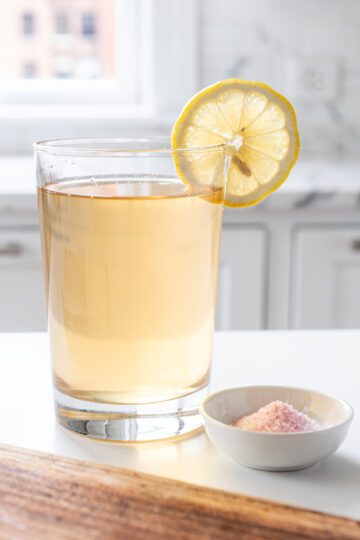
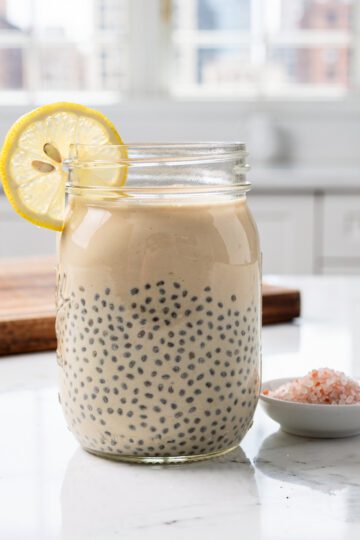
A savory, mineral-rich broth designed to support natural GLP-1 secretion before meals. This warm, comforting drink uses hydrolyzed gelatin and a pinch of pink Himalayan salt to stimulate gut hormones and promote satiety.
- Total Time15min
- Yield1 serving 1x
- DietDairy Free, Gluten Free
Ingredients
- 1 cup high-quality bone broth or water
- 20 grams hydrolyzed gelatin or collagen peptides
- 1 small pinch pink Himalayan salt
- Optional: 1 teaspoon lemon juice or a dash of turmeric for flavor
Instructions
- Heat the bone broth or water in a small saucepan over medium heat until warm but not boiling.
- Remove from heat and slowly whisk in the hydrolyzed gelatin until fully dissolved.
- Add a small pinch of pink Himalayan salt and stir to combine.
- If desired, add lemon juice or turmeric for extra flavor.
- Pour into a mug and let cool slightly, then drink 20 to 30 minutes before your main meal.
Notes
For best results, use hydrolyzed gelatin or collagen peptides that dissolve easily. Start with 10 grams if new to gelatin, then increase to 20 grams as tolerated. The pink salt enhances taste and provides trace minerals that support glucose metabolism.
- Prep Time: 5min
- Cook Time: 10min
- Category: Snack
- Method: simmering
- Cuisine: American
Nutrition
- Serving Size: 1
- Calories: 70
- Sugar: 0
- Sodium: 200
- Fat: 0
- Saturated Fat: 0
- Unsaturated Fat: 0
- Trans Fat: 0
- Carbohydrates: 0
- Fiber: 0
- Protein: 18
- Cholesterol: 0
FAQs about does gelatin boost GLP-1 naturally
Yes, gelatin may help boost GLP-1 naturally due to its high glycine content, an amino acid shown in studies to stimulate the release of glucagon-like peptide-1 (GLP-1) from gut cells. Research suggests that glycine activates L-cells in the intestinal lining, which are responsible for secreting GLP-1. While promising, gelatin should be viewed as a supportive dietary strategy rather than a replacement for prescribed GLP-1 therapies.
Foods that naturally increase GLP-1 levels include high-protein sources like gelatin, eggs, and fish, as well as high-fiber foods such as oats, legumes, and vegetables. Fermented foods and healthy fats like olive oil have also been shown to support GLP-1 secretion. Combining protein-rich and fiber-rich foods in meals is one of the most effective dietary strategies for enhancing natural GLP-1 release.
Most research on glycine and GLP-1 stimulation has used doses equivalent to roughly 5 to 20 grams of gelatin per day, often consumed before or with meals. Adding one to two tablespoons of unflavored gelatin or collagen peptides to food or drinks is a practical starting point. Always consult a healthcare provider before adding significant amounts of gelatin to your routine, especially if you have kidney or metabolic conditions.
Collagen and gelatin share a nearly identical amino acid profile, both being rich in glycine, proline, and hydroxyproline, which means they may offer similar GLP-1-stimulating benefits. Gelatin is simply cooked collagen that has been partially hydrolyzed, making it easier to dissolve and digest. Hydrolyzed collagen peptides are another form that absorbs quickly and may be equally effective at supporting natural GLP-1 release.
Gelatin may support weight loss indirectly by promoting GLP-1 secretion, which helps regulate appetite, slow gastric emptying, and reduce calorie intake. Studies have found that high-glycine proteins like gelatin increase feelings of fullness after meals. However, gelatin alone is unlikely to produce significant weight loss without a balanced diet and healthy lifestyle habits.
GLP-1, or glucagon-like peptide-1, is an incretin hormone produced in the gut that signals the pancreas to release insulin in response to food intake, helping to lower blood sugar levels. It also suppresses glucagon secretion, slows gastric emptying, and reduces appetite, making it a key hormone for metabolic health. Low GLP-1 activity is associated with type 2 diabetes and obesity, which is why naturally boosting it through diet, including foods like gelatin, is of significant interest.
💬 Lets Stay Connected!
For daily recipes, kitchen tips, and exclusive content, follow me on:
👉 Facebook for behind the scenes & community fun
👉 Pinterest for visual inspiration & meal ideas
👉 X (Twitter) for quick tips & trending recipes
📲 Join the flavor journey, your next favorite recipe is just a follow away!
Disclaimer: This content is provided for general informational and educational purposes only. It is not intended as medical, nutritional, or professional advice. Always consult a qualified healthcare professional or registered dietitian before making changes to your diet, health routine, or lifestyle. Individual needs and results may vary

Leave a Reply